How Much Does It Cost to Start an Ambulance Service in New Jersey?
Starting an Ambulance Service in New Jersey typically costs between $100,000 and $625,000, with a median estimate of $250,000. New Jersey’s cost of living runs 15% above the national average, which increases commercial rent and labor costs. LLC formation in New Jersey costs $125 to file. Most ambulance service businesses take 3-12 months to launch.
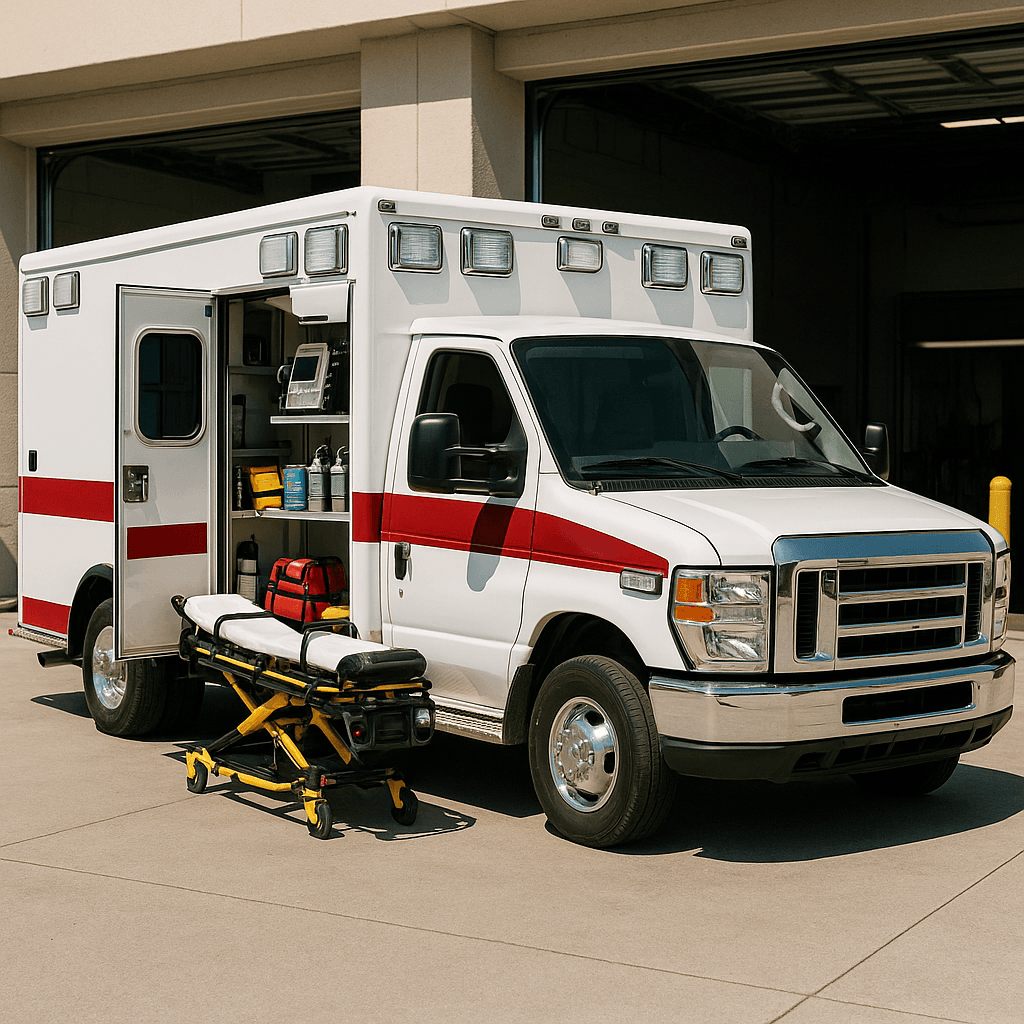
How Much Does It Cost to Start an Ambulance Service in New Jersey?
Low
$100,000
Medium
$250,000
High
$625,000
National average: $80,000 – $500,000
Interactive Startup Cost Calculator
Startup Cost Calculator
Ambulance Service in New Jersey
Options
Startup Costs
$262,500
Monthly Costs
$37,500
First Year Total
$712,500
Full Cost Breakdown
| Cost Category | Low | Medium | High | Notes |
|---|---|---|---|---|
| Ambulance Vehicles | $50,000 | $125,000 | $312,500 | A used Type III remount is a meaningful five-figure capital purchase; a new Type III lands well into six figures. |
| Medical Equipment & Supplies | $12,500 | $31,250 | $75,000 | Life-saving equipment cannot be compromised — buy new or fully recertified. |
| EMS Licensing & Certification | $2,500 | $7,500 | $18,750 | State EMS office licensing is required — processes vary widely by state. |
| Commercial Vehicle Insurance | $6,250 | $18,750 | $50,000 | Annual premium; ambulance insurance is specialized and expensive. |
| Medical Billing System | $1,250 | $3,750 | $10,000 | Medicare covers a substantial share of approved ambulance transport rates (https://www.cms.gov/Medicare/Medicare-Fee-for-Service-Payment/AmbulanceFeeSchedule) — enrollment is essential for most revenue. |
| Dispatch System & Communications | $2,500 | $7,500 | $18,750 | HIPAA-compliant communications required for patient information transmission. |
| Staffing Costs (Initial) | $6,250 | $18,750 | $50,000 | Two-person crews (paramedic + EMT) required for ALS transport; EMT/EMT for BLS. |
| Working Capital | $18,750 | $50,000 | $125,000 | Medicare and insurance pay in 30–90 days; payroll continues weekly. |
| Total Startup Cost | $100,000 | $262,500 | $660,000 | Required costs only |
Set Up Payroll
Payroll software handles tax withholding, filings and direct deposit so pay day does not turn into a spreadsheet project. If your hire signs up through this link and later runs payroll, a $100 credit may apply, though a contractor-only account does not always qualify.
set up payrollThis is a paid link. If you sign up through it, we earn a commission at no extra cost to you.
Licenses & Permits in New Jersey
Licenses & Permits in New Jersey
General Business License
New Jersey requires businesses to register with the New Jersey Division of Revenue and Enterprise Services through the Business Registration Certificate process. Businesses must also register for sales tax collection with the Division of Taxation. New Jersey's 565 municipalities have their own business license requirements. New Jersey requires a Certificate of Authority to collect sales tax, and businesses with employees must register with the Division of Revenue for payroll taxes.
Industry-Specific Licenses
- Retail Food Establishment License — New Jersey Department of Health or Local Health DepartmentCost: Varies — contact agency • Renewal: Annual
- Home Improvement Contractor Registration — New Jersey Division of Consumer AffairsCost: Varies — contact agency • Renewal: Biennial
- Cosmetology Shop License — New Jersey Board of Cosmetology and HairstylingCost: Varies — contact agency • Renewal: Biennial
- Real Estate Broker License — New Jersey Real Estate CommissionCost: Varies — contact agency • Renewal: Biennial
- Child Care Center License — New Jersey Division of Children and Families — Office of LicensingCost: Varies — contact agency • Renewal: Annual
- Plenary Retail Consumption License — New Jersey Division of Alcoholic Beverage ControlCost: Varies — contact agency • Renewal: Annual
- Motor Carrier Operating Authority — New Jersey Division of Taxation — Motor CarrierCost: Varies — contact agency • Renewal: Annual
- Electrical Contractor License — New Jersey Division of Consumer Affairs — State Board of Examiners of Electrical ContractorsCost: Varies — contact agency • Renewal: Biennial
Home-Based Business Rules
New Jersey municipalities regulate home-based businesses through local zoning ordinances under the MLUL. Most New Jersey municipalities allow home occupations in residential zones with restrictions on customer traffic, signage, and commercial activity visible from the street. New Jersey's dense suburban character means home-based business regulations are actively enforced. New Jersey's cottage food law permits limited home-based food production and direct consumer sales.
Monthly Operating Costs
After launch, plan for these ongoing monthly expenses for your Ambulance Service:
Low
$10,000/mo
Medium
$30,000/mo
High
$80,000/mo
Revenue Potential
Annual Revenue Range
$200,000 – $2,000,000 (annual)
Profit Margins
10-25%
Break-Even Timeline
18-36 months
How New Jersey Compares to Neighboring States
New Jersey is a higher-cost state for starting an Ambulance Service, with a cost-of-living index of 115.3 (national average is 100). Compared to neighboring New York ($278,000 median startup cost), New Jersey offers lower costs for an Ambulance Service.
| State | Est. Cost | LLC Fee |
|---|---|---|
| New Jersey (current) | $250,000 | $125 |
| New York | $278,000 | $200 |
| Pennsylvania | $192,000 | $125 |
| Delaware | $208,000 | $110 |
Common Mistakes to Avoid
- 1
Insufficient working capital for Medicare reimbursement lag
- 2
Incomplete state EMS licensing causing service interruption
- 3
Inadequate crew staffing for 24/7 coverage requirements
- 4
Non-emergency transport billing errors causing Medicare audits
- 5
No medical director relationship required for ALS operations
Next Steps to Launch Your Ambulance Service
- 1
Research local zoning requirements in New Jersey
- 2
Register your Ambulance Service as an LLC in New Jersey (filing fee: $125). If you would rather not file the paperwork yourself, you can compare business formation services.
This is a paid link. If you sign up through it, we earn a commission at no extra cost to you.
- 3
Apply for required licenses and permits through the New Jersey Secretary of State
- 4
Secure business insurance appropriate for your Ambulance Service
- 5
Open a dedicated business bank account to separate personal and business finances
Frequently Asked Questions
Related Businesses in New Jersey
Start an Ambulance Service in Other States
See the national overview for Ambulance Service or browse all businesses you can start in New Jersey.