How Much Does It Cost to Start a Cannabis Dispensary in Alaska?
Starting a Cannabis Dispensary in Alaska typically costs between $158,115 and $1,581,150, with a median estimate of $421,640. Alaska’s cost of living runs 27% above the national average, which increases commercial rent and labor costs. LLC formation in Alaska costs $250 to file. Most cannabis dispensary businesses take 12-36 months to launch.
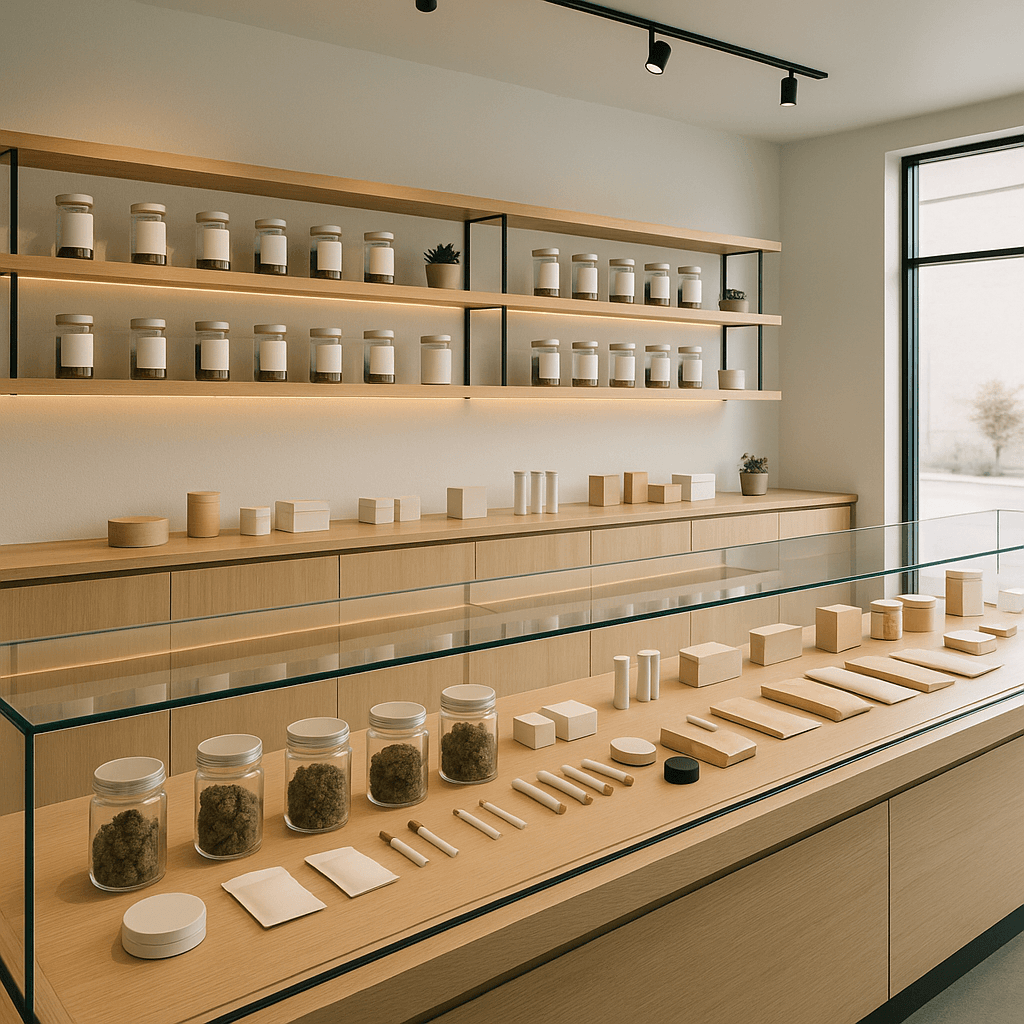
How Much Does It Cost to Start a Cannabis Dispensary in Alaska?
Low
$158,115
Medium
$421,640
High
$1,581,150
National average: $124,500 – $1,245,000
Interactive Startup Cost Calculator
Startup Cost Calculator
Cannabis Dispensary in Alaska
Options
Startup Costs
$401,320
Monthly Costs
$76,200
First Year Total
$1,315,720
Full Cost Breakdown
| Cost Category | Low | Medium | High | Notes |
|---|---|---|---|---|
| State Cannabis License | $6,350 | $25,400 | $127,000 | License fees vary enormously by state — some states charge a meaningful four-figure cost while others run well into the five figures. Competition is fierce. |
| Real Estate — Build-Out | $38,100 | $127,000 | $381,000 | Cannabis dispensaries require specific security, ventilation, and display requirements. |
| Security System | $6,350 | $19,050 | $50,800 | State regulations specify camera coverage, retention periods, and access logging. |
| Point-of-Sale & Compliance Software | $2,540 | $7,620 | $19,050 | METRC integration is mandatory in most states — every product tracked seed-to-sale. |
| Initial Inventory | $25,400 | $76,200 | $254,000 | Opening inventory must come from licensed suppliers — no inventory = no sales. |
| Legal & Compliance Consulting | $6,350 | $25,400 | $76,200 | Cannabis regulations change frequently — ongoing compliance counsel is essential. |
| Working Capital Reserve | $38,100 | $101,600 | $317,500 | Many banks won't serve cannabis businesses — cash management requires specialized planning. |
| Staffing & Training | $6,350 | $19,050 | $50,800 | Many states require state-issued worker permits for all cannabis employees. |
| Total Startup Cost | $129,540 | $401,320 | $1,276,350 | Required costs only |
Set Up Payroll
Payroll software handles tax withholding, filings and direct deposit so pay day does not turn into a spreadsheet project. If your hire signs up through this link and later runs payroll, a $100 credit may apply, though a contractor-only account does not always qualify.
set up payrollThis is a paid link. If you sign up through it, we earn a commission at no extra cost to you.
Licenses & Permits in Alaska
Licenses & Permits in Alaska
General Business License
Alaska requires a Business License from the Division of Corporations, Business, and Professional Licensing with a state-set fee for a two-year license. This statewide license is required for most business activities. Many industries have additional professional licensing requirements beyond the general business license.
Industry-Specific Licenses
- Food Establishment Permit — Alaska Department of Environmental Conservation — Division of Environmental HealthCost: Varies — contact agency • Renewal: Annual
- Contractor Registration — Alaska Department of Commerce, Community, and Economic DevelopmentCost: Varies — contact agency • Renewal: Biennial
- Commercial Operator Permit — Alaska Department of Natural ResourcesCost: Varies — contact agency • Renewal: Annual
- Commercial Fishing License — Alaska Department of Fish and GameCost: Varies — contact agency • Renewal: Annual
- Cosmetology Establishment License — Alaska Board of Barbers and HairdressersCost: Varies — contact agency • Renewal: Biennial
- Child Care Facility License — Alaska Department of Health — Child Care ProgramCost: Varies — contact agency • Renewal: Annual
- Liquor License — Alaska Alcoholic Beverage Control BoardCost: Varies — contact agency • Renewal: Biennial
- Motor Carrier Permit — Alaska Department of Transportation and Public FacilitiesCost: Varies — contact agency • Renewal: Annual
Home-Based Business Rules
Home-based businesses in Alaska are regulated by municipal ordinances where they exist and are generally permitted with limitations on exterior signage, employee visits, and storage of commercial equipment. Anchorage allows home occupations as an accessory use in residential zones with a home occupation permit. Remote areas outside municipal boundaries have minimal restrictions on home-based businesses.
Monthly Operating Costs
After launch, plan for these ongoing monthly expenses for your Cannabis Dispensary:
Low
$20,000/mo
Medium
$60,000/mo
High
$200,000/mo
Revenue Potential
Annual Revenue Range
$500,000 – $10,000,000 (annual)
Profit Margins
10-25% after tax
Break-Even Timeline
24-60 months
Common Mistakes to Avoid
- 1
Underestimating licensing timeline and capital requirements
- 2
IRC 280E tax treatment preventing standard business expense deductions
- 3
Poor location selection in low-traffic areas
- 4
Inventory management failures causing regulatory violations
- 5
Not understanding the state's license lottery or merit-based allocation system
Next Steps to Launch Your Cannabis Dispensary
- 1
Verify cannabis retail is legal in Alaska — recreational or medical sales must be specifically authorized; check Alaska cannabis control board status
- 2
Apply for a Alaska cannabis retail dispensary license — applications are competitive, window-based, or lottery-based depending on your state
- 3
Form a corporation or LLC in Alaska meeting ownership disclosure requirements — most states require background checks on all owners who meet state ownership disclosure thresholds (filing fee: $250). If you would rather not file the paperwork yourself, you can compare business formation services.
This is a paid link. If you sign up through it, we earn a commission at no extra cost to you.
- 4
Implement a seed-to-sale tracking system (Metrc, BioTrackTHC, or MJ Platform) — required by all legal cannabis states for inventory compliance
- 5
Install a state-approved commercial security system — Alaska requires 24/7 camera coverage, vault storage, and licensed security guard access protocols
- 6
Obtain cannabis-specific business insurance — typically a meaningful four-to-low-five-figure annual premium; standard business insurers don't cover cannabis operations
- 7
Set up a cannabis-friendly point-of-sale system (Dutchie, Flowhub, or Blaze) for age verification and inventory tracking
- 8
Secure a dedicated banking relationship — most national banks don't serve cannabis; look for Alaska-based credit unions with cannabis programs
Frequently Asked Questions
Related Businesses in Alaska
Start a Cannabis Dispensary in Other States
See the national overview for Cannabis Dispensary or browse all businesses you can start in Alaska.