How Much Does It Cost to Start a Carpentry & Woodworking Shop in New Jersey?
Starting a Carpentry & Woodworking Shop in New Jersey typically costs between $13,125 and $87,500, with a median estimate of $35,000. New Jersey’s cost of living runs 15% above the national average, which increases commercial rent and labor costs. LLC formation in New Jersey costs $125 to file. Most carpentry & woodworking shop businesses take 1-4 months to launch.
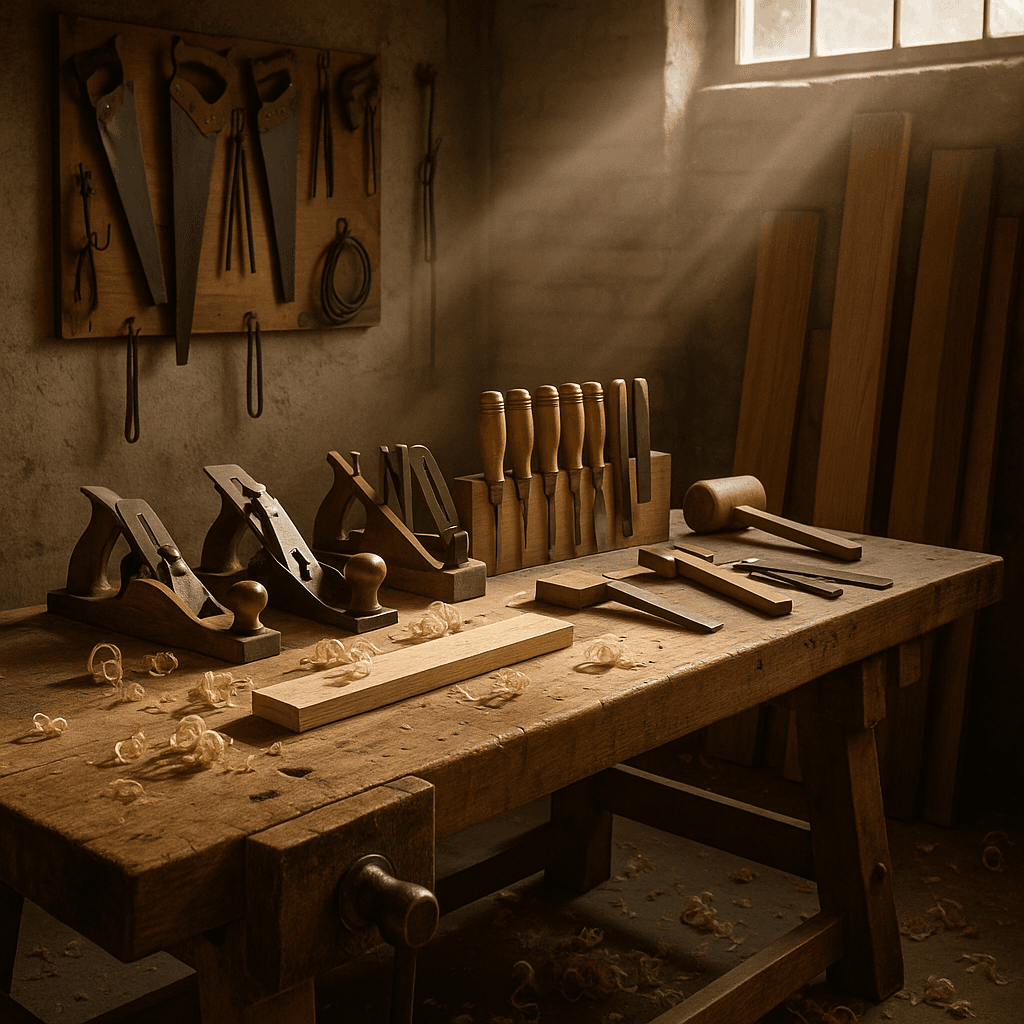
How Much Does It Cost to Start a Carpentry & Woodworking Shop in New Jersey?
Low
$13,125
Medium
$35,000
High
$87,500
National average: $10,500 – $70,000
Interactive Startup Cost Calculator
Startup Cost Calculator
Carpentry & Woodworking Shop in New Jersey
Options
Startup Costs
$33,000
Monthly Costs
$6,250
First Year Total
$108,000
Full Cost Breakdown
| Cost Category | Low | Medium | High | Notes |
|---|---|---|---|---|
| Woodworking Equipment | $3,750 | $10,000 | $31,250 | A SawStop table saw is the safety standard and a meaningful four-figure capital purchase; functional entry setups can be built at the low end of the range. |
| Hand Tools & Finishing Equipment | $625 | $1,875 | $5,000 | Clamps are often underestimated — plan a low-to-mid three-figure outlay for adequate clamping alone. |
| Shop Space | $1,250 | $5,000 | $15,000 | Many woodworkers start in a 2-car garage; dust collection requires good ventilation. |
| Business Formation & License | $188 | $500 | $1,250 | Home occupation permits vary by municipality — check zoning before starting. |
| General Liability Insurance | $750 | $1,875 | $5,000 | Annual premium; required for commercial clients and high-end residential. |
| Lumber & Materials Initial Stock | $625 | $2,500 | $7,500 | Hardwood prices have risen substantially in recent years — source reliable suppliers early to lock in stable pricing. |
| Website & Portfolio Photography | $375 | $1,250 | $3,750 | Quality photography of custom work is the most effective marketing tool. |
| Vehicle & Delivery Equipment | $2,500 | $10,000 | $25,000 | Essential for finish carpentry and on-site installation work. |
| Total Startup Cost | $10,063 | $33,000 | $93,750 | Required costs only |
Licenses & Permits in New Jersey
Licenses & Permits in New Jersey
General Business License
New Jersey requires businesses to register with the New Jersey Division of Revenue and Enterprise Services through the Business Registration Certificate process. Businesses must also register for sales tax collection with the Division of Taxation. New Jersey's 565 municipalities have their own business license requirements. New Jersey requires a Certificate of Authority to collect sales tax, and businesses with employees must register with the Division of Revenue for payroll taxes.
Industry-Specific Licenses
- Retail Food Establishment License — New Jersey Department of Health or Local Health DepartmentCost: Varies — contact agency • Renewal: Annual
- Home Improvement Contractor Registration — New Jersey Division of Consumer AffairsCost: Varies — contact agency • Renewal: Biennial
- Cosmetology Shop License — New Jersey Board of Cosmetology and HairstylingCost: Varies — contact agency • Renewal: Biennial
- Real Estate Broker License — New Jersey Real Estate CommissionCost: Varies — contact agency • Renewal: Biennial
- Child Care Center License — New Jersey Division of Children and Families — Office of LicensingCost: Varies — contact agency • Renewal: Annual
- Plenary Retail Consumption License — New Jersey Division of Alcoholic Beverage ControlCost: Varies — contact agency • Renewal: Annual
- Motor Carrier Operating Authority — New Jersey Division of Taxation — Motor CarrierCost: Varies — contact agency • Renewal: Annual
- Electrical Contractor License — New Jersey Division of Consumer Affairs — State Board of Examiners of Electrical ContractorsCost: Varies — contact agency • Renewal: Biennial
Home-Based Business Rules
New Jersey municipalities regulate home-based businesses through local zoning ordinances under the MLUL. Most New Jersey municipalities allow home occupations in residential zones with restrictions on customer traffic, signage, and commercial activity visible from the street. New Jersey's dense suburban character means home-based business regulations are actively enforced. New Jersey's cottage food law permits limited home-based food production and direct consumer sales.
Monthly Operating Costs
After launch, plan for these ongoing monthly expenses for your Carpentry & Woodworking Shop:
Low
$1,500/mo
Medium
$5,000/mo
High
$12,000/mo
Revenue Potential
Annual Revenue Range
$50,000 – $400,000 (annual)
Profit Margins
25-50%
Break-Even Timeline
6-18 months
How New Jersey Compares to Neighboring States
New Jersey is a higher-cost state for starting a Carpentry & Woodworking Shop, with a cost-of-living index of 115.3 (national average is 100). Compared to neighboring New York ($38,920 median startup cost), New Jersey offers lower costs for a Carpentry & Woodworking Shop.
| State | Est. Cost | LLC Fee |
|---|---|---|
| New Jersey (current) | $35,000 | $125 |
| New York | $38,920 | $200 |
| Pennsylvania | $26,880 | $125 |
| Delaware | $29,120 | $110 |
Common Mistakes to Avoid
- 1
Underpricing custom work vs. production furniture pricing
- 2
Inadequate dust collection causing health issues
- 3
No written project contracts with deposit requirements
- 4
Underestimating material waste factor (always pad hardwood material orders with a meaningful waste allowance)
- 5
Neglecting CNC routing for production efficiency
Next Steps to Launch Your Carpentry & Woodworking Shop
- 1
Form your LLC in New Jersey — carpentry businesses face equipment and property liability; entity protection is essential (filing fee: $125). If you would rather not file the paperwork yourself, you can compare business formation services.
This is a paid link. If you sign up through it, we earn a commission at no extra cost to you.
- 2
Obtain a New Jersey contractor license if performing structural carpentry or remodeling work — threshold varies by project value
- 3
Get general liability and tools & equipment insurance — typically a low four-figure annual premium; required by commercial clients and general contractors
- 4
Set up dust collection and ventilation systems before operating — New Jersey OSHA standards require compliance with wood dust exposure limits
- 5
Register for any required New Jersey woodworking or manufacturing facility permits if operating a production shop
- 6
Create a project contract template with detailed scope, material specifications, payment milestones, and change order procedures
- 7
Invest in safety equipment: NIOSH-approved respirator, hearing protection, push sticks, and blade guards for all machinery
- 8
Build a portfolio of completed projects with professional photography — custom woodworking clients buy on visual quality
Frequently Asked Questions
Related Businesses in New Jersey
Start a Carpentry & Woodworking Shop in Other States
See the national overview for Carpentry & Woodworking Shop or browse all businesses you can start in New Jersey.