How Much Does It Cost to Start a Chiropractic Office in Alabama?
Starting a Chiropractic Office in Alabama typically costs between $81,000 and $243,000, with a median estimate of $97,200. Alabama’s cost of living is 12% below the national average, which helps reduce operating expenses like commercial rent and labor. LLC formation in Alabama costs $200 to file. Most chiropractic office businesses take 3-6 months to launch.
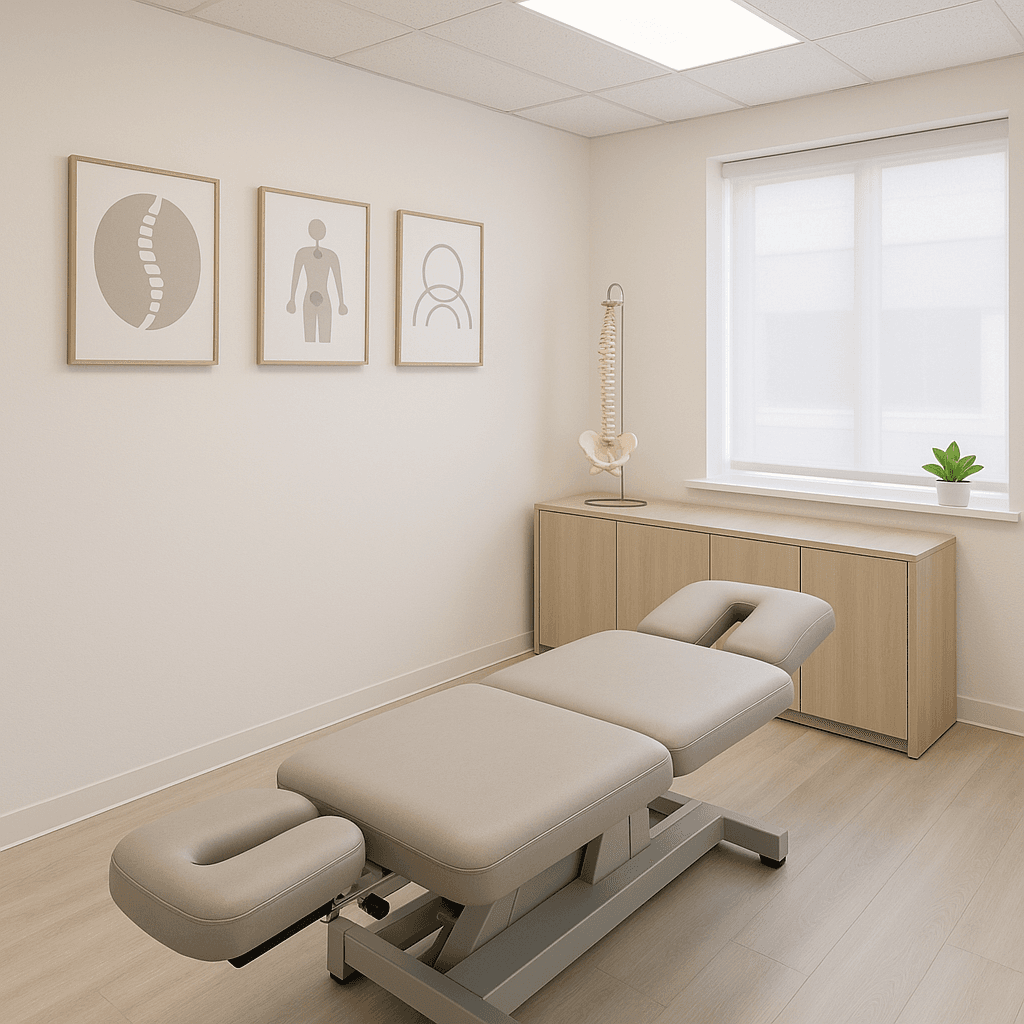
How Much Does It Cost to Start a Chiropractic Office in Alabama?
Low
$81,000
Medium
$97,200
High
$243,000
National average: $100,000 – $300,000
Interactive Startup Cost Calculator
Startup Cost Calculator
Chiropractic Office in Alabama
Options
Startup Costs
$111,780
Monthly Costs
$12,150
First Year Total
$257,580
Full Cost Breakdown
| Cost Category | Low | Medium | High | Notes |
|---|---|---|---|---|
| Office Lease & Build-Out | $20,250 | $32,400 | $81,000 | A chiro office needs 1,000-2,500 sq ft with 3-6 treatment rooms. X-ray rooms require lead shielding, which is a meaningful four-to-five-figure capital build-out cost on its own. |
| Chiropractic Equipment | $28,350 | $32,400 | $81,000 | A quality chiropractic adjusting table is a four-figure capital purchase. Digital X-ray units are a meaningful five-figure capital line item. |
| Practice Management Software | $2,430 | $3,240 | $9,720 | ChiroTouch (https://www.chirotouch.com/), Genesis, and Jane App (https://jane.app/) are popular chiro EHR options, billed as ongoing monthly subscriptions scaled to user count and feature depth. |
| Licenses & Credentialing | $2,430 | $3,240 | $9,720 | Credentialing with Medicare, Medicaid, and private insurers takes 60-120 days. X-ray license requirements vary by state. |
| Malpractice Insurance | $3,240 | $4,050 | $9,720 | Chiropractic malpractice premiums are typically a low-to-mid four-figure annual cost. Rates vary by state, claims history, and coverage limits. |
| Marketing & New Patient Programs | $4,860 | $8,100 | $24,300 | Spinal screenings at gyms and health fairs generate 5-15 new patients per event. Referral doctor relationships are essential. |
| Office Furniture & Decor | $4,860 | $8,100 | $24,300 | A professional, calming environment builds patient trust. Avoid cheap furniture in a healthcare setting. |
| Working Capital Reserve | $14,580 | $20,250 | $64,800 | Insurance reimbursements take 30-90 days. Focus on cash-pay patients initially to improve early cash flow. |
| Total Startup Cost | $81,000 | $111,780 | $304,560 | Required costs only |
Licenses & Permits in Alabama
Licenses & Permits in Alabama
General Business License
Alabama does not have a statewide general business license. Instead, businesses must obtain a license through the county probate office where they operate, and many cities require a separate municipal business license. Home-rule municipalities have the authority to set their own licensing requirements and fees.
Industry-Specific Licenses
- Food Service Establishment Permit — Alabama Department of Public HealthCost: Varies — contact agency • Renewal: Annual
- General Contractor License — Alabama Licensing Board for General ContractorsCost: Varies — contact agency • Renewal: Biennial
- Electrical Contractor License — Alabama Electrical Contractors BoardCost: Varies — contact agency • Renewal: Annual
- Plumbing Contractor License — Alabama Plumbers and Gas Fitters Examining BoardCost: Varies — contact agency • Renewal: Annual
- Cosmetology Establishment License — Alabama Board of Cosmetology and BarberingCost: Varies — contact agency • Renewal: Annual
- Childcare Facility License — Alabama Department of Human ResourcesCost: Varies — contact agency • Renewal: Annual
- Real Estate Broker License — Alabama Real Estate CommissionCost: Varies — contact agency • Renewal: Biennial
- Motor Carrier Operating Authority — Alabama Department of TransportationCost: Varies — contact agency • Renewal: Annual
Home-Based Business Rules
Home-based businesses in Alabama are regulated at the county and municipal level rather than by state law. Most jurisdictions allow home-based businesses that don't create excessive traffic, noise, or visible business activity. Businesses with employee visits or customer foot traffic may be prohibited in residential zones under local ordinances.
Monthly Operating Costs
After launch, plan for these ongoing monthly expenses for your Chiropractic Office:
Low
$5,000/mo
Medium
$15,000/mo
High
$40,000/mo
Revenue Potential
Annual Revenue Range
$100,000 – $700,000 (annual)
Profit Margins
20-40%
Break-Even Timeline
12-24 months
How Alabama Compares to Neighboring States
Alabama is one of the more affordable states for launching a Chiropractic Office, with a cost-of-living index of 87.9 (national average is 100). Compared to neighboring Tennessee ($110,400 median startup cost), Alabama offers lower costs for a Chiropractic Office.
| State | Est. Cost | LLC Fee |
|---|---|---|
| Alabama (current) | $97,200 | $200 |
| Tennessee | $110,400 | $300 |
| Georgia | $112,800 | $100 |
| Florida | $134,400 | $125 |
| Mississippi | $92,400 | $50 |
Common Mistakes to Avoid
- 1
Not credentialing with insurance panels before opening — delays revenue by 3-6 months
- 2
Relying entirely on insurance and ignoring cash-pay wellness plans
- 3
Underinvesting in marketing — new patient flow requires consistent, systematic outreach
- 4
Not building MD referral relationships from day one
- 5
Skipping the X-ray unit to save money — diagnostic imaging is a significant revenue and clinical necessity
Next Steps to Launch Your Chiropractic Office
- 1
Obtain your Alabama chiropractic license from the Alabama Board of Chiropractic Examiners before opening
- 2
Register your Chiropractic Clinic as a professional LLC or PLLC with the Alabama Secretary of State ($200 filing fee). If you would rather not file the paperwork yourself, you can compare business formation services.
This is a paid link. If you sign up through it, we earn a commission at no extra cost to you.
- 3
Apply for a Alabama X-ray equipment registration and pass radiation safety inspection for your diagnostic imaging
- 4
Enroll in Medicare and Medicaid as a chiropractic provider and credentialing with major insurance carriers
- 5
Get professional malpractice insurance and general liability coverage for the chiropractic practice — typically a low-to-mid four-figure annual premium combined
- 6
Purchase chiropractic treatment tables, electric stimulation units, ultrasound therapy equipment, and X-ray system
- 7
Set up Electronic Health Records (EHR) software and HIPAA-compliant patient management system
- 8
Hire a certified chiropractic clinical assistant and train staff on Alabama patient privacy requirements
Frequently Asked Questions
Related Businesses in Alabama
Physical Therapy Clinic
Health & Wellness$60,000 – $450,000
View in Alabama →
Medical Practice
Health & Wellness$150,000 – $1,000,000
View in Alabama →
Spa & Massage Therapy
Health & Wellness$10,000 – $250,000
View in Alabama →
Personal Training Business
Health & Wellness$5,000 – $100,000
View in Alabama →
Dental Practice
Health & Wellness$350,000 – $1,000,000
View in Alabama →
Start a Chiropractic Office in Other States
See the national overview for Chiropractic Office or browse all businesses you can start in Alabama.