How Much Does It Cost to Start a Concrete Business in Texas?
Starting a Concrete Business in Texas typically costs between $23,000 and $138,000, with a median estimate of $59,800. Texas’s cost of living is 8% below the national average, which helps reduce operating expenses like commercial rent and labor. LLC formation in Texas costs $300 to file. Most concrete business businesses take 2-4 months to launch.
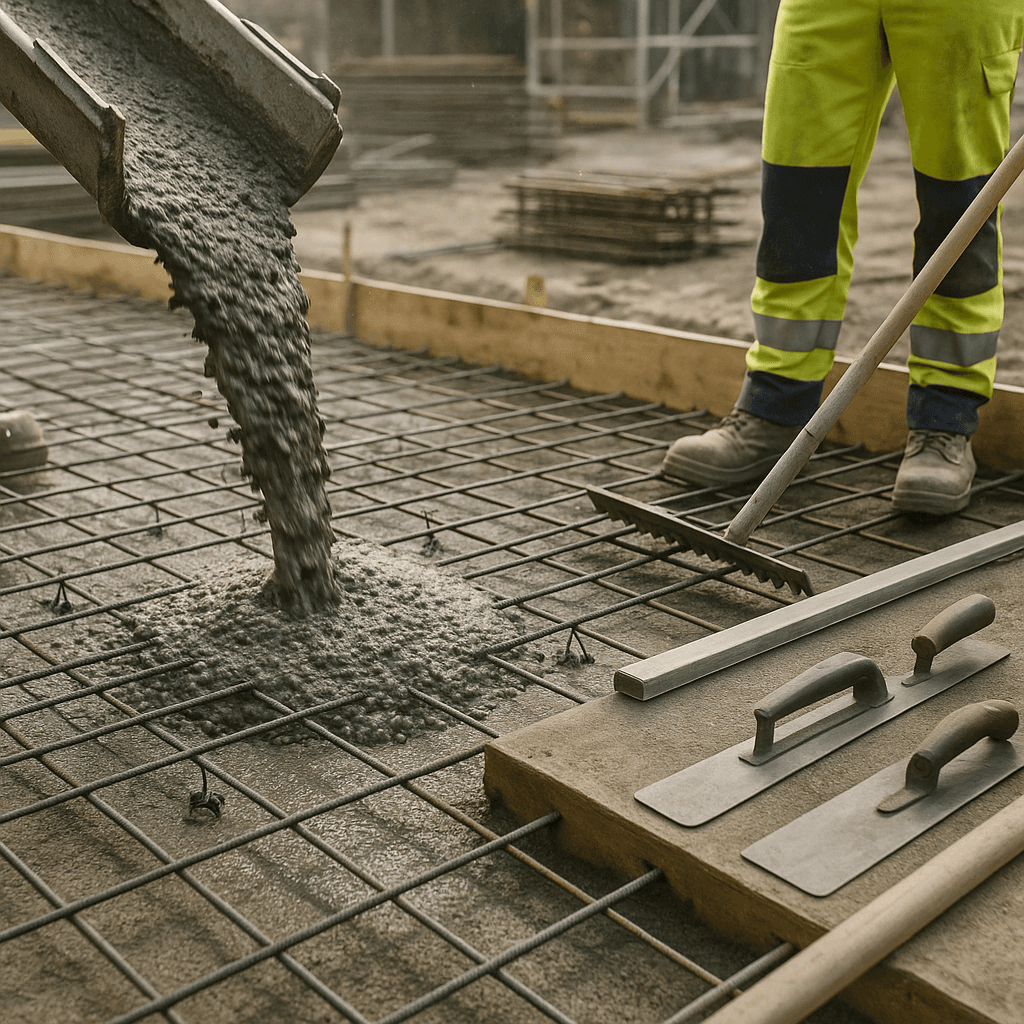
How Much Does It Cost to Start a Concrete Business in Texas?
Low
$23,000
Medium
$59,800
High
$138,000
National average: $25,000 – $150,000
Interactive Startup Cost Calculator
Startup Cost Calculator
Concrete Business in Texas
Options
Startup Costs
$51,060
Monthly Costs
$11,040
First Year Total
$183,540
Full Cost Breakdown
| Cost Category | Low | Medium | High | Notes |
|---|---|---|---|---|
| Contractor License | $276 | $1,380 | $3,680 | Many states require a specialty concrete license; some accept general contractor license. |
| Equipment — Mixers & Tools | $1,840 | $5,520 | $18,400 | A power screed is a low-three-to-low-four-figure capital purchase that dramatically improves flatwork quality and speed. |
| Truck & Trailer | $4,600 | $13,800 | $36,800 | F-250 or F-350 minimum for concrete equipment hauling. |
| General Liability Insurance | $1,380 | $3,680 | $9,200 | Annual premium; concrete failures can be costly — insurance is essential. |
| Workers Compensation | $1,840 | $5,520 | $13,800 | Concrete work carries moderate workers comp rates — typically a low single-digit percent of payroll. |
| Forms & Forming Supplies | $920 | $2,760 | $7,360 | Quality reusable forms pay for themselves quickly vs. disposable options. |
| Working Capital | $4,600 | $13,800 | $36,800 | Concrete jobs typically require a meaningful upfront deposit; material costs are high relative to labor. |
| Decorative Concrete Equipment (optional) | $920 | $4,600 | $13,800 | Decorative concrete commands a substantial premium over standard flatwork pricing. |
| Total Startup Cost | $15,456 | $46,460 | $126,040 | Required costs only |
Licenses & Permits in Texas
Licenses & Permits in Texas
General Business License
Texas does not have a general statewide business license. Businesses must register their entity with the Texas Secretary of State and obtain a Sales and Use Tax Permit from the Texas Comptroller of Public Accounts if selling taxable goods or services. Texas is unique in that it is the only US state where workers' compensation is not mandatory for private employers. Many Texas cities require local business licenses — Austin, Dallas, Houston, and San Antonio each have their own licensing systems through their city development departments.
Industry-Specific Licenses
- Food Establishment Permit — Texas Department of State Health Services or Local Health DepartmentCost: Varies — contact agency • Renewal: Annual
- Contractor Registration (electrical, plumbing, HVAC licensed at state level) — Texas Department of Licensing and RegulationCost: Varies — contact agency • Renewal: Annual
- Cosmetology Salon License — Texas Department of Licensing and RegulationCost: Varies — contact agency • Renewal: Annual
- Real Estate Broker License — Texas Real Estate CommissionCost: Varies — contact agency • Renewal: Biennial
- Child Care Center License — Texas Health and Human Services Commission — Child Care LicensingCost: Varies — contact agency • Renewal: Annual
- Mixed Beverage Permit — Texas Alcoholic Beverage Commission (TABC)Cost: Varies — contact agency • Renewal: Annual
- Home Health License — Texas Health and Human Services CommissionCost: Varies — contact agency • Renewal: Annual
- Motor Carrier Permit — Texas Department of Motor VehiclesCost: Varies — contact agency • Renewal: Annual
- Oil and Gas Operator Permit — Texas Railroad CommissionCost: Varies — contact agency • Renewal: Annual
Home-Based Business Rules
Texas municipalities regulate home-based businesses through local ordinances. Houston, lacking traditional zoning, regulates home-based businesses primarily through deed restrictions in residential neighborhoods. Austin, Dallas, and San Antonio allow home occupations in residential zones with standard restrictions on commercial signage, customer traffic, and non-resident employees. Texas's extremely permissive Cottage Food Law effectively allows home-based food businesses to operate with very few restrictions.
Monthly Operating Costs
After launch, plan for these ongoing monthly expenses for your Concrete Business:
Low
$4,000/mo
Medium
$12,000/mo
High
$30,000/mo
Revenue Potential
Annual Revenue Range
$150,000 – $1,500,000 (annual)
Profit Margins
15-30%
Break-Even Timeline
6-18 months
How Texas Compares to Neighboring States
Texas is one of the more affordable states for launching a Concrete Business, with a cost-of-living index of 92.1 (national average is 100). Compared to neighboring New Mexico ($58,500 median startup cost), Texas has higher costs for a Concrete Business.
| State | Est. Cost | LLC Fee |
|---|---|---|
| Texas (current) | $59,800 | $300 |
| New Mexico | $58,500 | $50 |
| Oklahoma | $52,000 | $100 |
| Arkansas | $52,650 | $45 |
| Louisiana | $54,600 | $100 |
Common Mistakes to Avoid
- 1
Not accounting for weather delays in project scheduling
- 2
Insufficient mix design knowledge causing cracking failures
- 3
Underestimating concrete volume on complex pours
- 4
No change order process for underground surprises
- 5
Skipping decorative concrete certification that doubles revenue potential
Next Steps to Launch Your Concrete Business
- 1
Form your LLC in Texas — concrete contractors face significant injury and property damage liability (filing fee: $300). If you would rather not file the paperwork yourself, you can compare business formation services.
This is a paid link. If you sign up through it, we earn a commission at no extra cost to you.
- 2
Obtain your Texas concrete or general contractor license — most states require a contractor license once project value crosses a state-specific threshold
- 3
Get a contractor surety bond and general liability insurance — surety bond requirements vary by state, and the GL premium is typically a low-to-mid four-figure annual cost; both are required by commercial clients
- 4
Comply with the OSHA respirable crystalline silica standard (https://www.osha.gov/silica-crystalline) — concrete cutting and grinding creates respirable silica; proper respiratory protection is required
- 5
Obtain heavy equipment operator certification if operating concrete pumps or larger equipment
- 6
Open trade accounts with Ready-Mix concrete suppliers and building material distributors in Texas
- 7
Create detailed project proposals with material specs, cure times, and warranty terms — standard is 1-year workmanship warranty
- 8
Register for workers' compensation insurance before hiring any employees — Texas requires it for construction trade workers
Frequently Asked Questions
Related Businesses in Texas
Start a Concrete Business in Other States
See the national overview for Concrete Business or browse all businesses you can start in Texas.