How Much Does It Cost to Start a Food Delivery Service in Nebraska?
Starting a Food Delivery Service in Nebraska typically costs between $8,500 and $110,500, with a median estimate of $44,200. Nebraska’s cost of living is 9% below the national average, which helps reduce operating expenses like commercial rent and labor. LLC formation in Nebraska costs $105 to file. Most food delivery service businesses take 1-3 months to launch.
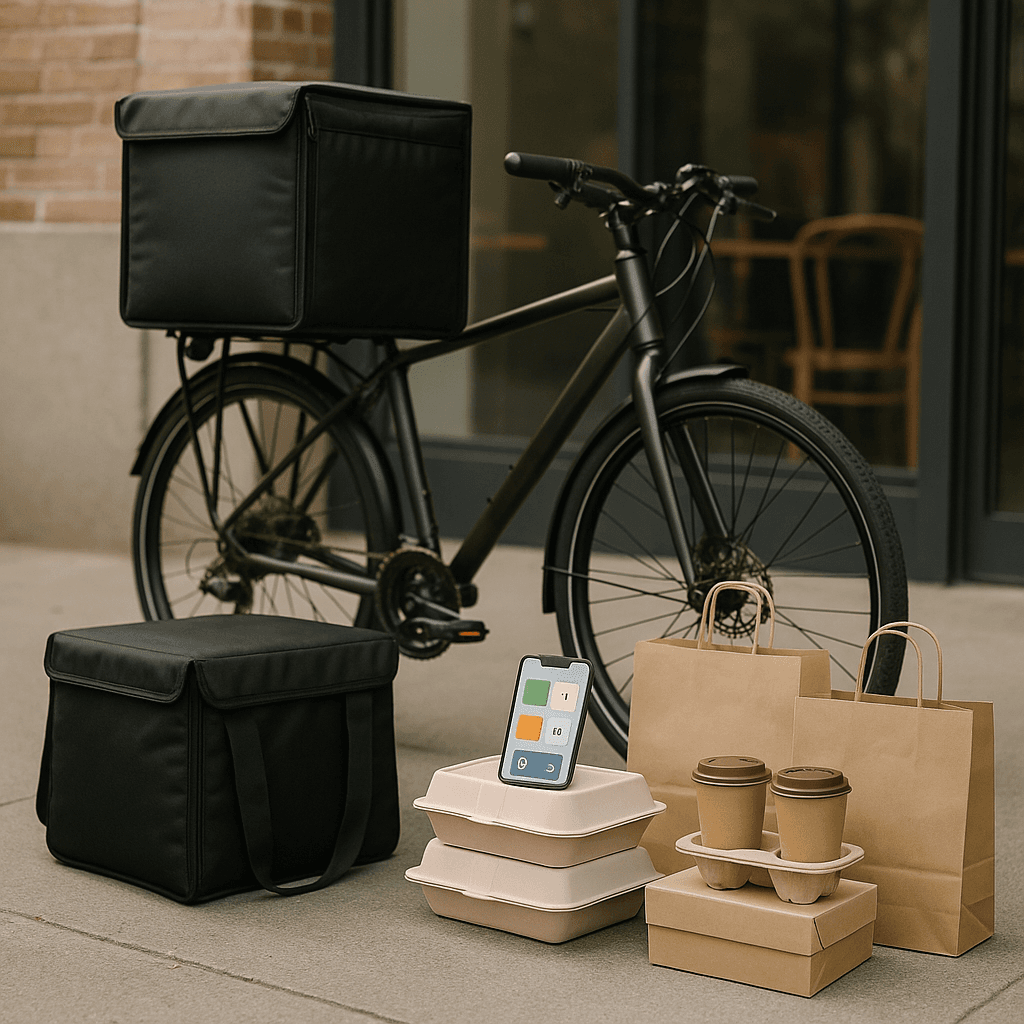
How Much Does It Cost to Start a Food Delivery Service in Nebraska?
Low
$8,500
Medium
$44,200
High
$110,500
National average: $10,000 – $130,000
Interactive Startup Cost Calculator
Startup Cost Calculator
Food Delivery Service in Nebraska
Options
Startup Costs
$44,625
Monthly Costs
$8,500
First Year Total
$146,625
Full Cost Breakdown
| Cost Category | Low | Medium | High | Notes |
|---|---|---|---|---|
| Delivery Vehicles | $1,700 | $12,750 | $51,000 | Bike and e-bike fleets are a low-to-mid four-figure per-unit capital purchase for local delivery. Vans for meal kit delivery are individual five-figure capital line items. |
| Technology Platform | $1,700 | $8,500 | $34,000 | Using existing platforms like DoorDash or Uber Eats avoids app development costs but the platform takes a substantial percentage of every order. |
| Insurance | $1,275 | $4,250 | $12,750 | Commercial auto is mandatory for delivery businesses. Personal auto policies exclude commercial use. |
| Licenses & Permits | $170 | $850 | $3,400 | Requirements vary by city. Some cities require delivery business licenses and driver background checks. |
| Marketing & Customer Acquisition | $1,700 | $6,800 | $21,250 | First-order acquisition cost varies meaningfully by channel and creative. Focus on repeat order LTV — break-even on the first order is the wrong unit-economic frame. |
| Working Capital Reserve | $2,550 | $8,500 | $25,500 | Delivery businesses need cash flow for driver payments before customer revenue stabilizes. |
| Packaging & Delivery Supplies | $425 | $1,700 | $5,100 | Insulated bags are an inexpensive per-unit cost but essential for food quality. Tamper-evident seals are required by most restaurant partners. |
| Dispatch & Communication Systems | $170 | $1,275 | $4,250 | Tools like Tookan, Routific, or Onfleet are billed on monthly subscriptions that scale with driver count and provide real-time tracking and route optimization. |
| Total Startup Cost | $9,690 | $44,625 | $157,250 | Required costs only |
Licenses & Permits in Nebraska
Licenses & Permits in Nebraska
General Business License
Nebraska does not have a statewide general business license. Businesses must register their entity with the Nebraska Secretary of State and register with the Nebraska Department of Revenue for sales and use tax purposes. Some Nebraska municipalities require local business licenses — Omaha, Lincoln, and other larger cities have their own licensing requirements. Nebraska offers a one-stop business portal at neded.org for business resources.
Industry-Specific Licenses
- Food Establishment License — Nebraska Department of Agriculture — Dairy and Food DivisionCost: Varies — contact agency • Renewal: Annual
- Contractor License — Nebraska Department of Labor (for mechanical contractors)Cost: Varies — contact agency • Renewal: Annual
- Cosmetology Shop License — Nebraska Department of Health and Human Services — Cosmetology DivisionCost: Varies — contact agency • Renewal: Annual
- Real Estate Broker License — Nebraska Real Estate CommissionCost: Varies — contact agency • Renewal: Biennial
- Child Care Center License — Nebraska Department of Health and Human Services — Child Care LicensingCost: Varies — contact agency • Renewal: Annual
- Commercial Pesticide Applicator License — Nebraska Department of AgricultureCost: Varies — contact agency • Renewal: Annual
- Retail Class D Liquor License — Nebraska Liquor Control CommissionCost: Varies — contact agency • Renewal: Annual
- Motor Carrier Permit — Nebraska Department of TransportationCost: Varies — contact agency • Renewal: Annual
Home-Based Business Rules
Nebraska municipalities regulate home-based businesses through local zoning ordinances. Omaha and Lincoln allow home occupations in residential zones with restrictions on customer traffic, commercial signage, and non-resident employees. Nebraska's many small towns and rural communities are generally accommodating of home-based businesses. Nebraska's cottage food law explicitly supports home-based food production and direct consumer sales.
Monthly Operating Costs
After launch, plan for these ongoing monthly expenses for your Food Delivery Service:
Low
$3,000/mo
Medium
$10,000/mo
High
$30,000/mo
Revenue Potential
Annual Revenue Range
$50,000 – $800,000 (annual)
Profit Margins
1-5%
Break-Even Timeline
6-18 months
How Nebraska Compares to Neighboring States
Nebraska is one of the more affordable states for launching a Food Delivery Service, with a cost-of-living index of 91.4 (national average is 100). Compared to neighboring South Dakota ($43,160 median startup cost), Nebraska has higher costs for a Food Delivery Service.
Common Mistakes to Avoid
- 1
Underestimating platform commission rates — DoorDash, Uber Eats, and Grubhub each take a substantial percentage of every order, which destroys margins on small-ticket deliveries
- 2
Not vetting drivers thoroughly — one bad delivery driver causes customer churn and liability
- 3
Ignoring delivery radius economics — longer zones increase costs faster than revenue
- 4
Failing to build direct ordering channel — platform dependency puts the business at risk
- 5
Not calculating per-delivery economics from day one — know your unit economics before scaling
Next Steps to Launch Your Food Delivery Service
- 1
Register your Food Delivery Service as an LLC with the Nebraska Secretary of State ($105 filing fee). If you would rather not file the paperwork yourself, you can compare business formation services.
This is a paid link. If you sign up through it, we earn a commission at no extra cost to you.
- 2
Obtain a Nebraska business license and any required local courier or delivery service permits
- 3
Set up commercial auto insurance or a delivery fleet policy for all delivery drivers; premiums scale with vehicle count
- 4
Integrate with major platforms (DoorDash, Uber Eats, Grubhub) or build your own white-label ordering app
- 5
Establish restaurant partnerships — negotiate commission rates and define pickup/delivery logistics
- 6
Set up a driver management system with GPS tracking, route optimization, and real-time dispatch
- 7
Apply for a Nebraska sales tax permit if you collect and remit sales tax on food orders
- 8
Launch a driver incentive program and background check system before hiring your first delivery fleet
Frequently Asked Questions
Related Businesses in Nebraska
Food Truck
Food & Beverage$45,000 – $200,000
View in Nebraska →
Ghost Kitchen
Food & Beverage$20,000 – $150,000
View in Nebraska →
Meal Prep Business
Food & Beverage$20,000 – $200,000
View in Nebraska →
Restaurant
Food & Beverage$175,000 – $750,000
View in Nebraska →
Catering Business
Food & Beverage$12,000 – $130,000
View in Nebraska →
Start a Food Delivery Service in Other States
See the national overview for Food Delivery Service or browse all businesses you can start in Nebraska.