How Much Does It Cost to Start a Ghost Kitchen in South Dakota?
Starting a Ghost Kitchen in South Dakota typically costs between $16,600 and $124,500, with a median estimate of $49,800. South Dakota’s cost of living is 8% below the national average, which helps reduce operating expenses like commercial rent and labor. LLC formation in South Dakota costs $150 to file. Most ghost kitchen businesses take 1-3 months to launch.
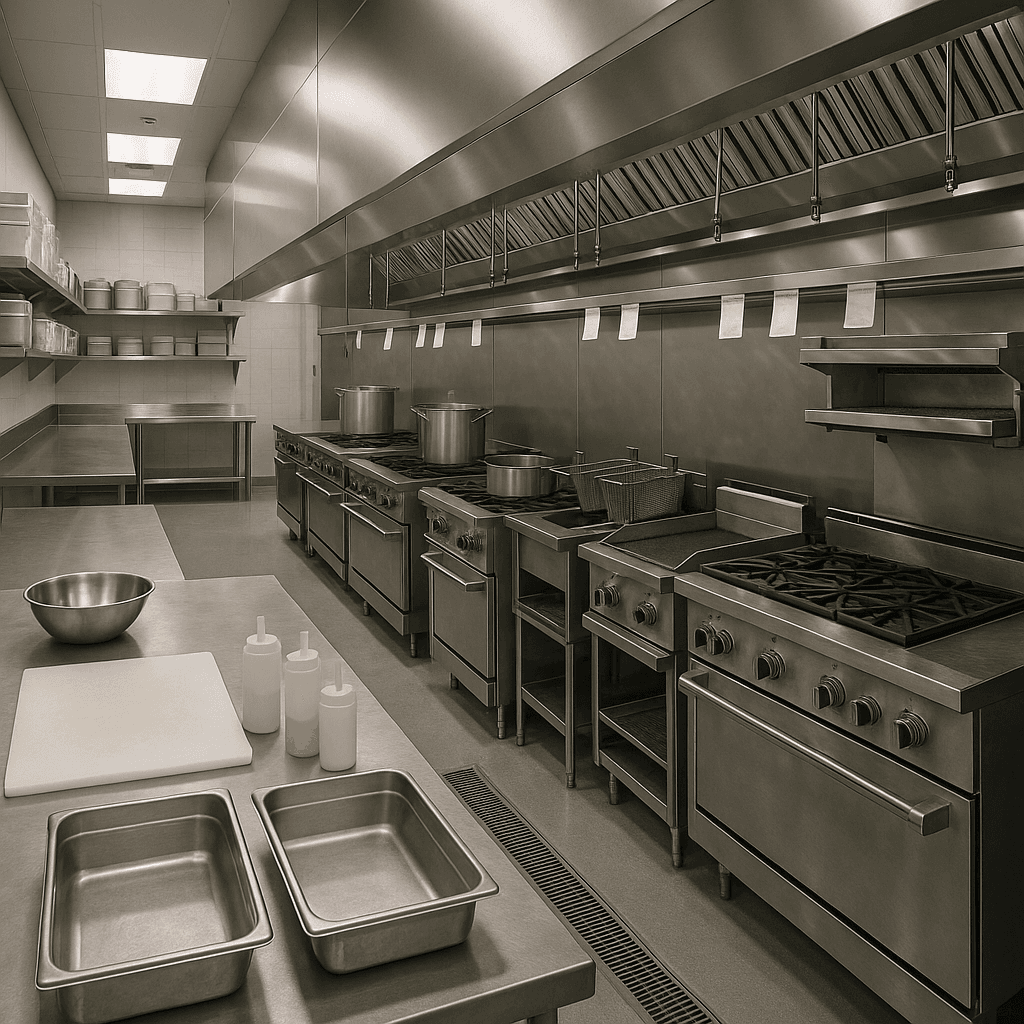
How Much Does It Cost to Start a Ghost Kitchen in South Dakota?
Low
$16,600
Medium
$49,800
High
$124,500
National average: $20,000 – $150,000
Interactive Startup Cost Calculator
Startup Cost Calculator
Ghost Kitchen in South Dakota
Options
Startup Costs
$51,875
Monthly Costs
$9,960
First Year Total
$171,395
Full Cost Breakdown
| Cost Category | Low | Medium | High | Notes |
|---|---|---|---|---|
| Kitchen Space Rental | $1,660 | $6,640 | $20,750 | Ghost kitchen facilities like Kitchen United (https://kitchenunited.com/) and CloudKitchens (https://www.cloudkitchens.com/) offer turnkey space billed monthly. Shared commissary kitchen rental is similarly billed as a monthly membership for part-time use. |
| Kitchen Equipment | $4,150 | $16,600 | $49,800 | Ghost kitchen facilities often include basic equipment. A turnkey facility reduces equipment outlay to supplemental smallwares and brand-specific gear. Starting in a fully equipped shared kitchen can reduce this category to nearly zero. |
| Permits & Licenses | $415 | $2,075 | $5,810 | Ghost kitchens have the same permitting requirements as restaurants but without liquor licenses or dine-in build-out permits. Health inspection is required regardless. |
| Initial Food Inventory | $2,490 | $6,640 | $16,600 | Branded packaging matters even for delivery — good packaging improves reviews and repeat orders. Custom-printed bags are a low per-unit cost that scales with order volume. |
| Delivery Platform Setup | $830 | $2,490 | $6,640 | There are no upfront listing fees on most platforms, but in-app promotional spending significantly improves placement and order volume in the first months and is typically billed as a monthly marketing budget. |
| POS & Order Management | $415 | $1,660 | $4,150 | Order aggregators like Otter (https://www.tryotter.com/) or Deliverect consolidate orders from multiple platforms into one screen on a monthly subscription, reducing errors and missed orders. |
| Insurance | $1,245 | $3,320 | $8,300 | Ghost kitchens need product liability to cover food safety incidents. General liability is required by most ghost kitchen facilities. |
| Marketing & Brand Building | $1,245 | $4,150 | $12,450 | Professional food photography dramatically improves conversion on delivery platforms — good photos meaningfully lift orders. Invest in quality product photography before launching. |
| Working Capital Reserve | $4,150 | $8,300 | $24,900 | Delivery platforms pay out weekly or bi-weekly. Maintain 4-6 weeks of operating costs in reserve. Ghost kitchens typically reach break-even faster than traditional restaurants. |
| Total Startup Cost | $16,600 | $51,875 | $149,400 | Required costs only |
Licenses & Permits in South Dakota
Licenses & Permits in South Dakota
General Business License
South Dakota does not have a state income tax and is known for being one of the most business-friendly states in the nation. Businesses must register their entity with the South Dakota Secretary of State and register with the South Dakota Department of Revenue for sales tax purposes. South Dakota has no general statewide business license. Some municipalities require local business licenses, but many South Dakota communities have minimal licensing requirements.
Industry-Specific Licenses
- Food Service License — South Dakota Department of Agriculture and Natural Resources — Food and DairyCost: Varies — contact agency • Renewal: Annual
- Electrical Contractor License — South Dakota State Electrical CommissionCost: Varies — contact agency • Renewal: Annual
- Cosmetology Salon License — South Dakota Cosmetology CommissionCost: Varies — contact agency • Renewal: Annual
- Real Estate Broker License — South Dakota Real Estate CommissionCost: Varies — contact agency • Renewal: Annual
- Child Care Center License — South Dakota Department of Social Services — Child Care ServicesCost: Varies — contact agency • Renewal: Annual
- Tourism Tax License — South Dakota Department of Revenue — Tourism TaxCost: Varies — contact agency • Renewal: Annual
- Commercial Pesticide Applicator Certificate — South Dakota Department of Agriculture and Natural ResourcesCost: Varies — contact agency • Renewal: Annual
- On-Sale Malt Beverage License — South Dakota Department of Revenue — Alcohol LicensesCost: Varies — contact agency • Renewal: Annual
Home-Based Business Rules
Home-based businesses in South Dakota face minimal regulation in rural and unincorporated areas. Sioux Falls and Rapid City regulate home occupations through local zoning ordinances with standard restrictions on signage and customer traffic. South Dakota's business-friendly philosophy generally supports home-based businesses. The state's cottage food law supports home-based food production and direct consumer sales subject to a state-defined annual cap.
Monthly Operating Costs
After launch, plan for these ongoing monthly expenses for your Ghost Kitchen:
Low
$5,000/mo
Medium
$12,000/mo
High
$35,000/mo
Revenue Potential
Annual Revenue Range
$5,000 – $100,000 (monthly)
Profit Margins
5%-15% net profit after platform commissions
Break-Even Timeline
6-12 months
How South Dakota Compares to Neighboring States
South Dakota is one of the more affordable states for launching a Ghost Kitchen, with a cost-of-living index of 91.8 (national average is 100). Compared to neighboring North Dakota ($49,200 median startup cost), South Dakota has higher costs for a Ghost Kitchen.
Common Mistakes to Avoid
- 1
Ignoring platform commission impact — DoorDash, Uber Eats, and Grubhub take a substantial percentage of every order, requiring menu pricing meaningfully above dine-in to maintain margin
- 2
Skipping professional food photography — listing photos are the primary sales driver on delivery platforms
- 3
Launching too many virtual brand concepts at once before mastering one
- 4
Not monitoring and responding to every review — ghost kitchens live and die by their star rating on delivery platforms
- 5
Underestimating packaging costs — branded packaging adds a real per-order cost that compounds at meaningful order volume
- 6
Choosing a ghost kitchen location too far from target delivery zone — delivery time directly impacts food quality and reviews
Next Steps to Launch Your Ghost Kitchen
- 1
Register your Ghost Kitchen as an LLC with the South Dakota Secretary of State ($150 filing fee). If you would rather not file the paperwork yourself, you can compare business formation services.
This is a paid link. If you sign up through it, we earn a commission at no extra cost to you.
- 2
Obtain a South Dakota food service establishment license and food handler permits for all kitchen staff
- 3
Pass the South Dakota health department commercial kitchen inspection for your ghost kitchen facility
- 4
Sign up for ghost kitchen spaces (Kitchen United, CloudKitchens) or negotiate directly with a host kitchen
- 5
Get product liability and general liability insurance for virtual restaurant operations; premiums scale with revenue and product mix
- 6
Set up your virtual restaurant brand(s) on DoorDash, Uber Eats, and Grubhub delivery platforms
- 7
Develop optimized packaging for delivery — invest in containers that maintain food quality during 20–40 minute transit
- 8
Track per-brand profitability separately using your POS and delivery platform dashboards to identify top performers
Frequently Asked Questions
Related Businesses in South Dakota
Restaurant
Food & Beverage$175,000 – $750,000
View in South Dakota →
Food Delivery Service
Food & Beverage$10,000 – $130,000
View in South Dakota →
Meal Prep Business
Food & Beverage$20,000 – $200,000
View in South Dakota →
Catering Business
Food & Beverage$12,000 – $130,000
View in South Dakota →
Pizza Shop
Food & Beverage$75,000 – $400,000
View in South Dakota →
Start a Ghost Kitchen in Other States
See the national overview for Ghost Kitchen or browse all businesses you can start in South Dakota.