How Much Does It Cost to Start a Handyman Business in Virginia?
Starting a Handyman Business in Virginia typically costs between $2,140 and $35,310, with a median estimate of $10,700. Virginia’s cost of living runs 4% above the national average, which increases commercial rent and labor costs. LLC formation in Virginia costs $100 to file. Most handyman business businesses take 1-2 weeks to launch.
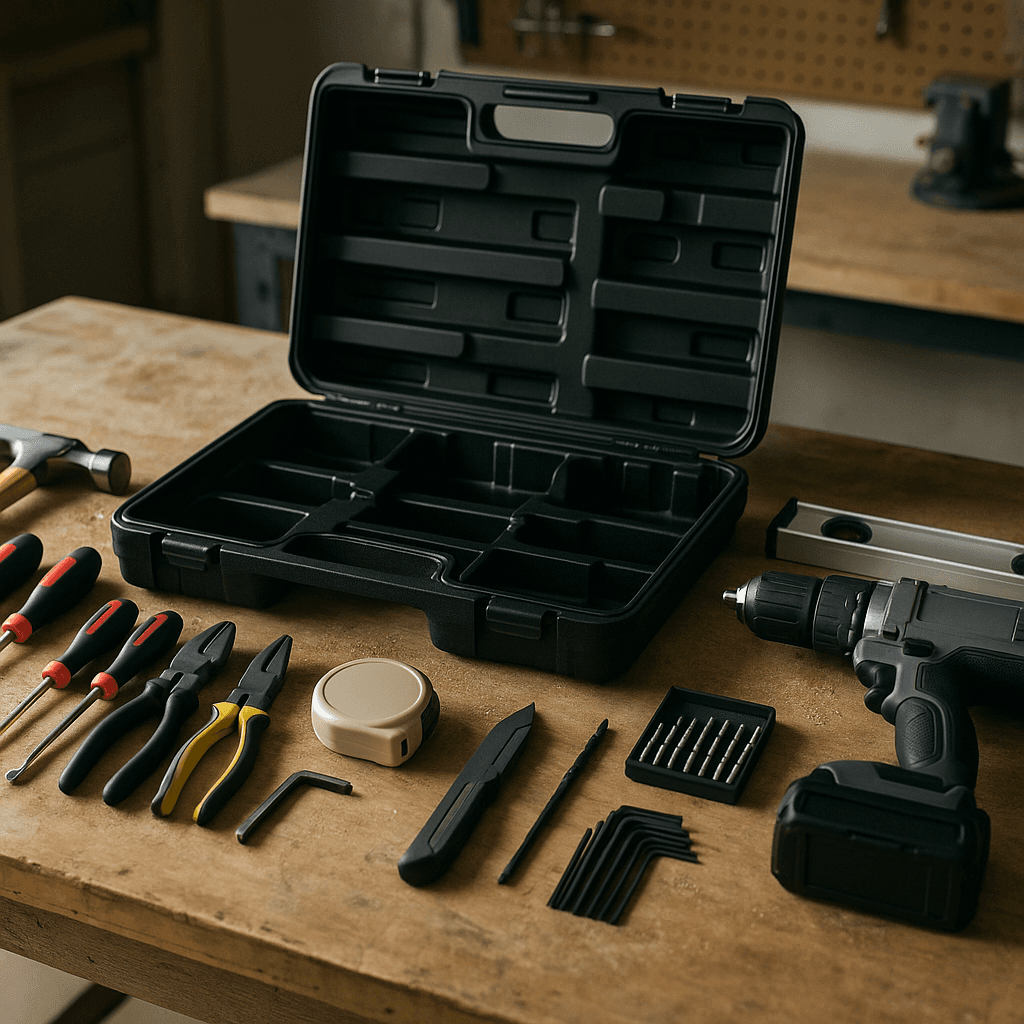
How Much Does It Cost to Start a Handyman Business in Virginia?
Low
$2,140
Medium
$10,700
High
$35,310
National average: $2,000 – $33,000
Interactive Startup Cost Calculator
Startup Cost Calculator
Handyman Business in Virginia
Options
Startup Costs
$11,984
Monthly Costs
$2,140
First Year Total
$37,664
Full Cost Breakdown
| Cost Category | Low | Medium | High | Notes |
|---|---|---|---|---|
| Tools & Equipment | $1,070 | $4,280 | $16,050 | Milwaukee or DeWalt professional tool sets are a meaningful three-to-low-four-figure investment. A complete handyman toolkit including hand tools, power tools, and ladders is a low-to-mid four-figure capital outlay. |
| Business License & Insurance | $321 | $1,605 | $5,350 | General liability is essential — property damage claims from handyman work are common. Premiums for solo operators are typically a low-to-mid three-figure annual cost. |
| Marketing & First Clients | $107 | $1,070 | $5,350 | Nextdoor is the most effective channel for handyman services. Post in every local neighborhood group. |
| Business Formation | $107 | $321 | $856 | LLC protects personal assets from client property damage claims. |
| Vehicle (optional) | $1 | $3,210 | $16,050 | Any reliable pickup truck works for a solo handyman. A van provides more tool security and professional image. |
| Job Management Software (optional) | $1 | $535 | $3,210 | Jobber and Housecall Pro are popular handyman platforms billed on monthly subscriptions. Many solo handymen start with just Google Calendar and Square invoicing. |
| Marketing & Lead Generation (optional) | $214 | $642 | $2,140 | Nextdoor is a highly effective and low-cost channel for handyman services. |
| Work Uniforms & Branded Supplies (optional) | $107 | $321 | $856 | Professional appearance builds trust and justifies higher rates. |
| Total Startup Cost | $1,605 | $7,276 | $27,606 | Required costs only |
Licenses & Permits in Virginia
Licenses & Permits in Virginia
General Business License
Virginia does not have a statewide general business license. Businesses must register their entity with the Virginia State Corporation Commission (SCC) and register with the Virginia Department of Taxation for sales and use tax purposes. Virginia's counties and independent cities each have their own business license requirements through a Business, Professional, and Occupational License (BPOL) tax system. Virginia Beach, Norfolk, Richmond, and Northern Virginia jurisdictions each have their own BPOL rates and requirements.
Industry-Specific Licenses
- Food Establishment Permit — Virginia Department of Health or Local Health DepartmentCost: Varies — contact agency • Renewal: Annual
- Contractor License — Virginia Department of Professional and Occupational Regulation — Board for ContractorsCost: Varies — contact agency • Renewal: Biennial
- Cosmetology Salon License — Virginia Board for Barbers and CosmetologyCost: Varies — contact agency • Renewal: Biennial
- Real Estate Broker License — Virginia Real Estate BoardCost: Varies — contact agency • Renewal: Biennial
- Child Day Center License — Virginia Department of Education — Division of Child Care and Early Childhood DevelopmentCost: Varies — contact agency • Renewal: Annual
- On-Premises Wine and Beer License — Virginia Alcoholic Beverage Control AuthorityCost: Varies — contact agency • Renewal: Annual
- Medical Practice License — Virginia Board of MedicineCost: Varies — contact agency • Renewal: Biennial
- Data Broker Registration — Virginia Department of Agriculture and Consumer ServicesCost: Varies — contact agency • Renewal: Annual
Home-Based Business Rules
Virginia's independent cities and counties regulate home-based businesses through local zoning ordinances. Many Virginia jurisdictions allow home occupations in residential zones with restrictions on customer traffic, commercial signage, and non-resident employees. Fairfax County and other Northern Virginia jurisdictions allow home-based businesses that serve Washington DC markets. Virginia's cottage food law supports home-based food production and direct consumer sales subject to a state-defined annual cap.
Monthly Operating Costs
After launch, plan for these ongoing monthly expenses for your Handyman Business:
Low
$500/mo
Medium
$2,000/mo
High
$8,000/mo
Revenue Potential
Annual Revenue Range
$30,000 – $200,000 (annual)
Profit Margins
40-65%
Break-Even Timeline
1-2 months
How Virginia Compares to Neighboring States
Virginia is close to the national average for Handyman Business startup costs, with a cost-of-living index of 103.7. Compared to neighboring Maryland ($12,100 median startup cost), Virginia offers lower costs for a Handyman Business.
| State | Est. Cost | LLC Fee |
|---|---|---|
| Virginia (current) | $10,700 | $100 |
| Maryland | $12,100 | $100 |
| West Virginia | $7,700 | $100 |
| Kentucky | $8,400 | $40 |
| Tennessee | $9,200 | $300 |
| North Carolina | $9,600 | $125 |
Common Mistakes to Avoid
- 1
Attempting licensed work (plumbing, electrical) without proper licenses — illegal and creates severe liability
- 2
Undercharging — handyman rates need to cover tool depreciation, vehicle, insurance, and reasonable margin; pricing meaningfully below local market rates is unsustainable
- 3
Not setting a minimum job fee — billing pure hourly with no minimum makes short jobs unprofitable
- 4
Accepting too many complex jobs that require licensed trades — focus on the work you can legally and confidently do
- 5
Not collecting payment at job completion — chasing payment wastes time
Next Steps to Launch Your Handyman Business
- 1
Form your LLC in Virginia — handymen work inside client homes; entity protection reduces personal liability for property damage (filing fee: $100). If you would rather not file the paperwork yourself, you can compare business formation services.
This is a paid link. If you sign up through it, we earn a commission at no extra cost to you.
- 2
Research Virginia handyman exemption limits — most states allow unlicensed handyman work below a state-specific dollar threshold; larger jobs require a contractor license
- 3
Obtain general liability insurance — homeowners require this before allowing work on their property
- 4
Purchase a tool trailer or organized work vehicle with common tools: drill, circular saw, jigsaw, level, and basic plumbing/electrical supplies
- 5
Set up online booking (Jobber or HouseCall Pro) and accept credit cards via Square — reduces friction for residential customers
- 6
Create a service menu with flat-rate pricing for common jobs (TV mounting, furniture assembly, fixture replacement) — predictable pricing wins clients
- 7
Get listed on Angi, Thumbtack, and Nextdoor as a local handyman — reviews drive repeat business and word-of-mouth referrals
- 8
Build relationships with property managers and landlords in Virginia — they provide steady repeat work for unit turnovers and maintenance
Frequently Asked Questions
Related Businesses in Virginia
Cleaning Business
Home Services$1,500 – $37,000
View in Virginia →
Painting Business
Home Services$5,000 – $80,000
View in Virginia →
Landscaping Business
Home Services$10,000 – $120,000
View in Virginia →
General Contracting Business
Construction & Trades$20,000 – $130,000
View in Virginia →
Carpentry & Woodworking Shop
Construction & Trades$10,500 – $70,000
View in Virginia →
Start a Handyman Business in Other States
See the national overview for Handyman Business or browse all businesses you can start in Virginia.