How Much Does It Cost to Start a Landscaping Business in Vermont?
Starting a Landscaping Business in Vermont typically costs between $10,900 and $130,800, with a median estimate of $43,600. Vermont’s cost of living runs 12% above the national average, which increases commercial rent and labor costs. LLC formation in Vermont costs $125 to file. Most landscaping business businesses take 2-8 weeks to launch.
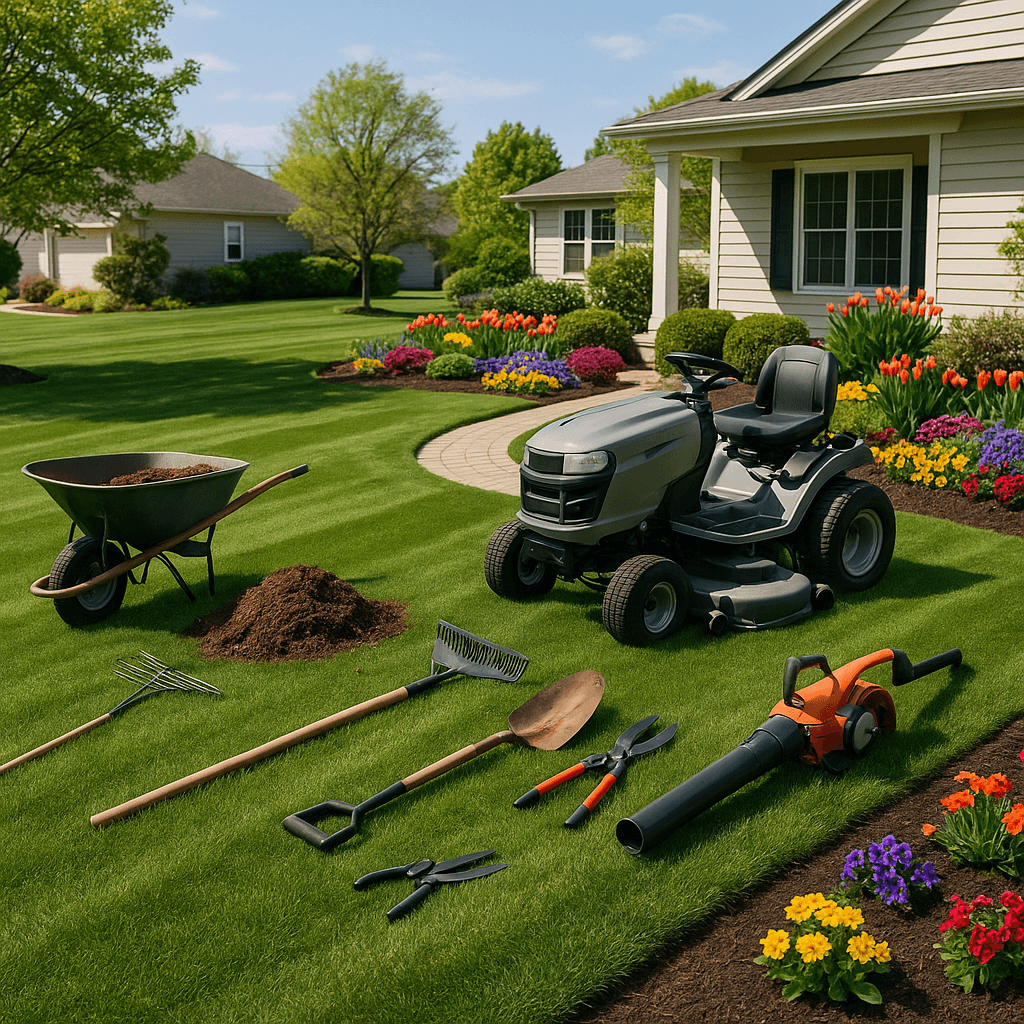
How Much Does It Cost to Start a Landscaping Business in Vermont?
Low
$10,900
Medium
$43,600
High
$130,800
National average: $10,000 – $120,000
Interactive Startup Cost Calculator
Startup Cost Calculator
Landscaping Business in Vermont
Options
Startup Costs
$52,320
Monthly Costs
$7,630
First Year Total
$143,880
Full Cost Breakdown
| Cost Category | Low | Medium | High | Notes |
|---|---|---|---|---|
| Truck & Trailer | $5,450 | $21,800 | $65,400 | A reliable used pickup truck plus an enclosed trailer is a meaningful five-figure capital purchase. Used equipment significantly reduces opening capital outlay. |
| Landscaping Equipment | $3,270 | $13,080 | $43,600 | A commercial zero-turn mower is the highest-leverage capital purchase, running into the low-to-mid five figures for a quality unit. Commercial string trimmers and blowers are individual three-figure-to-low-four-figure line items per worker. |
| Insurance | $1,635 | $4,360 | $13,080 | General liability is essential — a rock thrown by a mower through a window creates significant liability. Premiums scale with crew count and equipment value. |
| Business License & Pesticide License | $109 | $545 | $2,180 | Pesticide application requires a state license obtained via exam plus a low three-figure fee. Many lucrative commercial contracts require licensed pesticide applicators on staff. |
| Uniforms & Safety Equipment | $327 | $1,090 | $3,270 | Branded uniforms are low-cost marketing — your crew is walking advertising in every neighborhood they work. |
| Marketing & Customer Acquisition | $545 | $2,725 | $8,720 | Door hangers in target neighborhoods are a low per-piece cost and produce meaningful response rates when targeted at the right neighborhoods. |
| Working Capital Reserve | $2,180 | $6,540 | $21,800 | Lawn care has seasonal revenue patterns — strong spring/summer, slower fall/winter in northern climates. |
| Irrigation & Sprinkler Equipment (optional) | $545 | $2,180 | $6,540 | Irrigation services command premium rates and create recurring service revenue. |
| Total Startup Cost | $13,516 | $50,140 | $158,050 | Required costs only |
Licenses & Permits in Vermont
Licenses & Permits in Vermont
General Business License
Vermont does not have a statewide general business license. Businesses must register their entity with the Vermont Secretary of State and register with the Vermont Department of Taxes for sales and use tax and withholding tax purposes. Vermont has relatively few municipalities that require local business licenses. Vermont's regulatory environment, while progressive, is generally streamlined for small businesses. The Vermont Small Business Development Center helps businesses navigate registration requirements.
Industry-Specific Licenses
- Food and Lodging License — Vermont Department of Health — Food and Lodging ProgramCost: Varies — contact agency • Renewal: Annual
- Master Electrician License — Vermont Office of Professional RegulationCost: Varies — contact agency • Renewal: Annual
- Cosmetology Shop License — Vermont Office of Professional RegulationCost: Varies — contact agency • Renewal: Annual
- Real Estate Broker License — Vermont Office of Professional Regulation — Real EstateCost: Varies — contact agency • Renewal: Biennial
- Regulated Child Development Facility License — Vermont Department for Children and Families — Child Development DivisionCost: Varies — contact agency • Renewal: Annual
- Farmer's Market Permit — Vermont Agency of Agriculture, Food and MarketsCost: Varies — contact agency • Renewal: Annual
- First and Third Class Licenses — Vermont Liquor and Lottery Control BoardCost: Varies — contact agency • Renewal: Annual
- Bed and Breakfast Registration — Vermont Department of Health — Food and LodgingCost: Varies — contact agency • Renewal: Annual
Home-Based Business Rules
Vermont towns regulate home-based businesses through local zoning bylaws. Vermont's many small towns are generally permissive of home-based businesses, reflecting the state's strong entrepreneurial and agricultural tradition. Burlington and Montpelier allow home occupations in residential zones with standard restrictions on commercial signage and customer traffic. Vermont's very high cottage food sales cap strongly supports home-based food businesses.
Monthly Operating Costs
After launch, plan for these ongoing monthly expenses for your Landscaping Business:
Low
$2,000/mo
Medium
$7,000/mo
High
$20,000/mo
Revenue Potential
Annual Revenue Range
$40,000 – $500,000 (annual)
Profit Margins
15-35%
Break-Even Timeline
1-6 months
How Vermont Compares to Neighboring States
Vermont is a higher-cost state for starting a Landscaping Business, with a cost-of-living index of 112.2 (national average is 100). Compared to neighboring New York ($55,600 median startup cost), Vermont offers lower costs for a Landscaping Business.
| State | Est. Cost | LLC Fee |
|---|---|---|
| Vermont (current) | $43,600 | $125 |
| New York | $55,600 | $200 |
| New Hampshire | $46,800 | $102 |
| Massachusetts | $61,600 | $500 |
Common Mistakes to Avoid
- 1
Starting without general liability insurance — one window breakage or property damage claim can exceed startup investment
- 2
Underpricing lawn care — pricing meaningfully below the local market floor for a quality cut undercuts margin and trains customers to expect rates that cannot sustain the business
- 3
Not building recurring service contracts — one-time jobs are less profitable than weekly or bi-weekly clients
- 4
Not learning irrigation system installation — irrigation is a high-margin specialty in the landscaping market
- 5
Starting without sufficient equipment — trying to maintain a meaningful weekly route with a residential mower destroys productivity
Next Steps to Launch Your Landscaping Business
- 1
Form your LLC in Vermont — landscapers work on client property with heavy equipment; liability protection is essential (filing fee: $125). If you would rather not file the paperwork yourself, you can compare business formation services.
This is a paid link. If you sign up through it, we earn a commission at no extra cost to you.
- 2
Obtain a Vermont pesticide applicator license if applying herbicides, fertilizers, or pesticides — required in every state; study for and pass Vermont exam
- 3
Get general liability insurance and commercial auto insurance for your truck and trailer; premiums scale with crew count
- 4
Register as a Vermont landscape contractor if your state requires it — check Vermont Contractors License Board requirements
- 5
Purchase core equipment: zero-turn mower, string trimmer, leaf blower, and enclosed or open trailer to transport equipment
- 6
Set up scheduling and invoicing software (Jobber or LMN) specifically designed for landscaping businesses with route optimization
- 7
Establish accounts with local plant nurseries and mulch/soil suppliers for material discounts — meaningfully below retail
- 8
Offer seasonal contracts for lawn maintenance — monthly automatic billing provides predictable cash flow vs. one-time jobs
Frequently Asked Questions
Related Businesses in Vermont
Cleaning Business
Home Services$1,500 – $37,000
View in Vermont →
Pest Control Business
Home Services$10,000 – $120,000
View in Vermont →
Handyman Business
Home Services$2,000 – $33,000
View in Vermont →
Painting Business
Home Services$5,000 – $80,000
View in Vermont →
General Contracting Business
Construction & Trades$20,000 – $130,000
View in Vermont →
Start a Landscaping Business in Other States
See the national overview for Landscaping Business or browse all businesses you can start in Vermont.