How Much Does It Cost to Start a Pest Control Business in Alabama?
Starting a Pest Control Business in Alabama typically costs between $8,100 and $97,200, with a median estimate of $32,400. Alabama’s cost of living is 12% below the national average, which helps reduce operating expenses like commercial rent and labor. LLC formation in Alabama costs $200 to file. Most pest control business businesses take 1-4 months to launch.
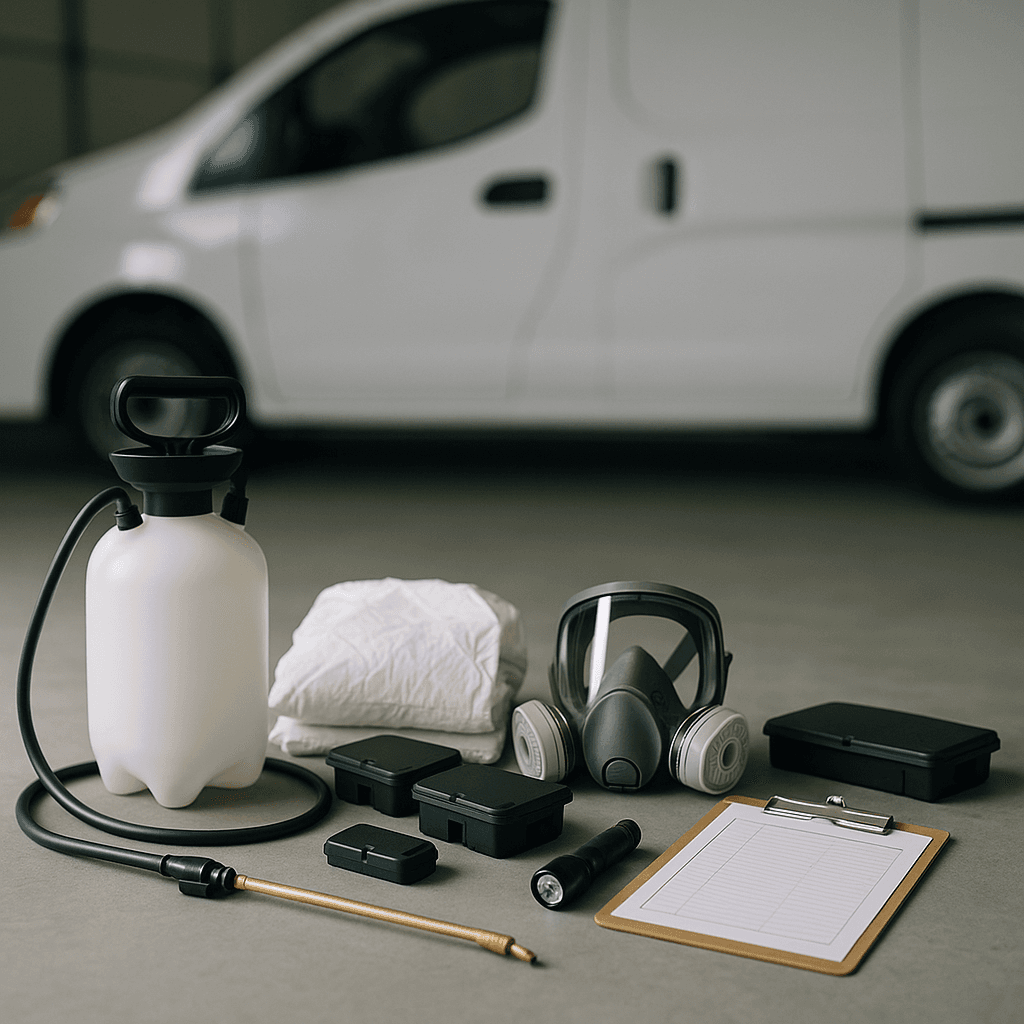
How Much Does It Cost to Start a Pest Control Business in Alabama?
Low
$8,100
Medium
$32,400
High
$97,200
National average: $10,000 – $120,000
Interactive Startup Cost Calculator
Startup Cost Calculator
Pest Control Business in Alabama
Options
Startup Costs
$32,805
Monthly Costs
$5,670
First Year Total
$100,845
Full Cost Breakdown
| Cost Category | Low | Medium | High | Notes |
|---|---|---|---|---|
| Service Vehicle | $2,430 | $12,150 | $32,400 | A compact car with a portable sprayer can start a pest control route. A dedicated service truck with spray rig is more professional. |
| Pesticide Application Equipment | $1,620 | $6,480 | $20,250 | A quality backpack sprayer is a low three-figure capital purchase. Termite treatment equipment (Termidor/Altriset rigs) is a meaningful four-figure capital line item. |
| Pesticide Inventory | $810 | $3,240 | $9,720 | Professional pesticides are purchased from licensed distributors. Plan a meaningful four-figure opening inventory. |
| State Pesticide License & Business License | $243 | $1,215 | $4,050 | Pesticide applicator licenses require state-specific exams and are required to legally purchase and apply restricted-use pesticides. See the EPA Pesticide Applicator Certification overview at https://www.epa.gov/pesticide-worker-safety/pesticide-applicator-certification. |
| Insurance & Bonding | $1,620 | $4,860 | $14,580 | Pollution liability (covering pesticide application errors) is essential. A single contamination claim can be catastrophic. |
| Pest Control Software | $243 | $1,215 | $4,050 | PestRoutes, ServicePro, and Jobber are popular pest-control platforms billed on monthly subscriptions that scale with technician seat count. Chemical use logging is required by law. |
| Marketing & Route Development | $405 | $2,430 | $8,100 | Recurring quarterly pest control customers carry meaningful annual contract value. Build the route to build enterprise value — pest control routes are valued on the recurring book at exit. |
| Marketing & Lead Generation (optional) | $243 | $1,215 | $4,050 | Google Local Services Ads are highly effective for pest control — high-intent searchers. |
| Total Startup Cost | $7,371 | $31,590 | $93,150 | Required costs only |
Licenses & Permits in Alabama
Licenses & Permits in Alabama
General Business License
Alabama does not have a statewide general business license. Instead, businesses must obtain a license through the county probate office where they operate, and many cities require a separate municipal business license. Home-rule municipalities have the authority to set their own licensing requirements and fees.
Industry-Specific Licenses
- Food Service Establishment Permit — Alabama Department of Public HealthCost: Varies — contact agency • Renewal: Annual
- General Contractor License — Alabama Licensing Board for General ContractorsCost: Varies — contact agency • Renewal: Biennial
- Electrical Contractor License — Alabama Electrical Contractors BoardCost: Varies — contact agency • Renewal: Annual
- Plumbing Contractor License — Alabama Plumbers and Gas Fitters Examining BoardCost: Varies — contact agency • Renewal: Annual
- Cosmetology Establishment License — Alabama Board of Cosmetology and BarberingCost: Varies — contact agency • Renewal: Annual
- Childcare Facility License — Alabama Department of Human ResourcesCost: Varies — contact agency • Renewal: Annual
- Real Estate Broker License — Alabama Real Estate CommissionCost: Varies — contact agency • Renewal: Biennial
- Motor Carrier Operating Authority — Alabama Department of TransportationCost: Varies — contact agency • Renewal: Annual
Home-Based Business Rules
Home-based businesses in Alabama are regulated at the county and municipal level rather than by state law. Most jurisdictions allow home-based businesses that don't create excessive traffic, noise, or visible business activity. Businesses with employee visits or customer foot traffic may be prohibited in residential zones under local ordinances.
Monthly Operating Costs
After launch, plan for these ongoing monthly expenses for your Pest Control Business:
Low
$2,000/mo
Medium
$7,000/mo
High
$20,000/mo
Revenue Potential
Annual Revenue Range
$60,000 – $600,000 (annual)
Profit Margins
20-40%
Break-Even Timeline
3-9 months
How Alabama Compares to Neighboring States
Alabama is one of the more affordable states for launching a Pest Control Business, with a cost-of-living index of 87.9 (national average is 100). Compared to neighboring Tennessee ($36,800 median startup cost), Alabama offers lower costs for a Pest Control Business.
| State | Est. Cost | LLC Fee |
|---|---|---|
| Alabama (current) | $32,400 | $200 |
| Tennessee | $36,800 | $300 |
| Georgia | $37,600 | $100 |
| Florida | $44,800 | $125 |
| Mississippi | $30,800 | $50 |
Common Mistakes to Avoid
- 1
Working without a state pesticide applicator license — it's illegal and results in fines and business closure
- 2
Not building recurring service contracts — one-time treatments are less valuable than quarterly service agreements
- 3
Underestimating the value of a pest control route — a recurring book of several hundred customers at typical quarterly subscription pricing produces a substantial annualized recurring revenue base
- 4
Not investing in termite treatment capability — termite inspections and treatments are high-margin work
- 5
Skipping pollution liability insurance — a pesticide misapplication claim can exceed your general liability limits
Next Steps to Launch Your Pest Control Business
- 1
Research local zoning requirements in Alabama
- 2
Register your Pest Control Business as an LLC in Alabama (filing fee: $200). If you would rather not file the paperwork yourself, you can compare business formation services.
This is a paid link. If you sign up through it, we earn a commission at no extra cost to you.
- 3
Apply for required licenses and permits through the Alabama Secretary of State
- 4
Secure business insurance appropriate for your Pest Control Business
- 5
Open a dedicated business bank account to separate personal and business finances
Frequently Asked Questions
Related Businesses in Alabama
Landscaping Business
Home Services$10,000 – $120,000
View in Alabama →
Cleaning Business
Home Services$1,500 – $37,000
View in Alabama →
Handyman Business
Home Services$2,000 – $33,000
View in Alabama →
Roofing Company
Home Services$15,000 – $180,000
View in Alabama →
General Contracting Business
Construction & Trades$20,000 – $130,000
View in Alabama →
Start a Pest Control Business in Other States
See the national overview for Pest Control Business or browse all businesses you can start in Alabama.