How Much Does It Cost to Start a Pet Store in Georgia?
Starting a Pet Store in Georgia typically costs between $28,200 and $282,000, with a median estimate of $94,000. Georgia’s cost of living is 6% below the national average, which helps reduce operating expenses like commercial rent and labor. LLC formation in Georgia costs $100 to file. Most pet store businesses take 2-5 months to launch.
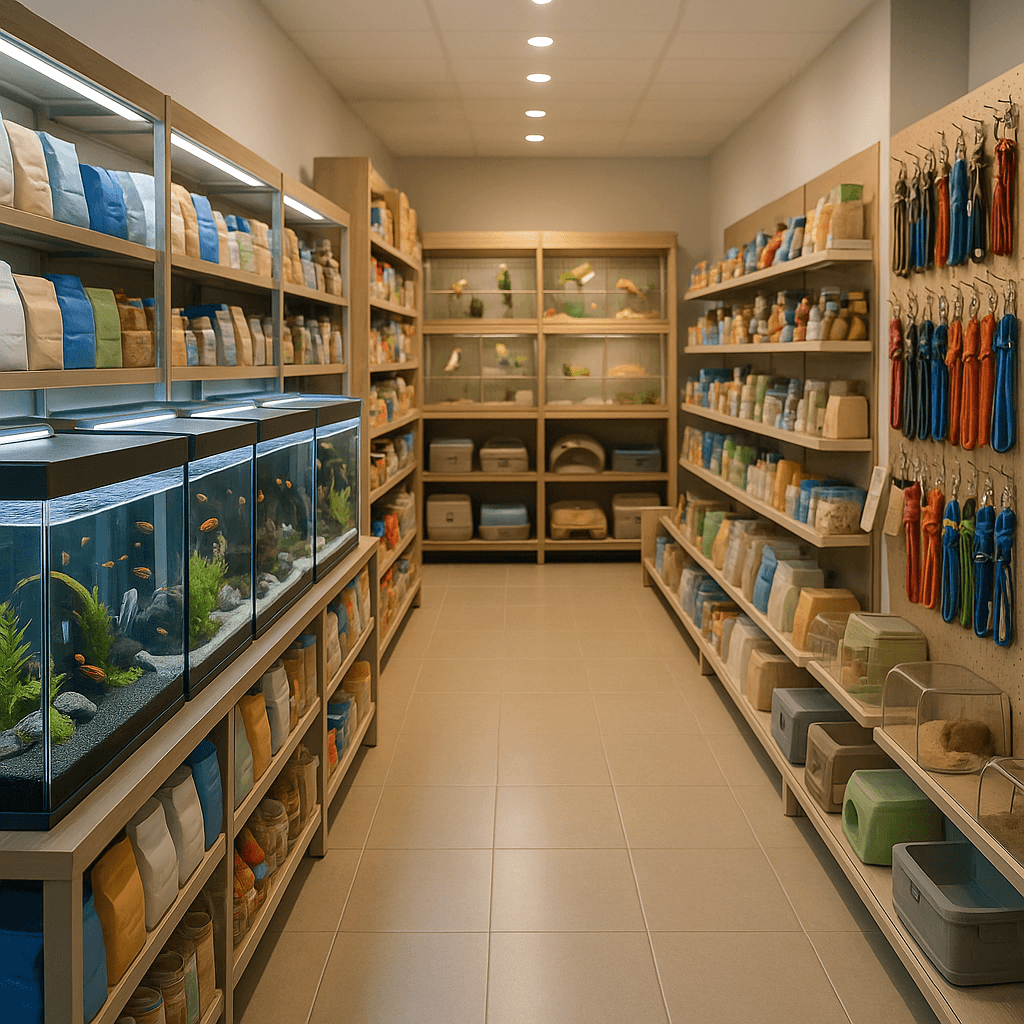
How Much Does It Cost to Start a Pet Store in Georgia?
Low
$28,200
Medium
$94,000
High
$282,000
National average: $30,000 – $300,000
Interactive Startup Cost Calculator
Startup Cost Calculator
Pet Store in Georgia
Options
Startup Costs
$109,980
Monthly Costs
$14,100
First Year Total
$279,180
Full Cost Breakdown
| Cost Category | Low | Medium | High | Notes |
|---|---|---|---|---|
| Retail Space Lease & Build-Out | $9,400 | $32,900 | $94,000 | Live animal areas require specialized ventilation, plumbing (aquatics), and health department approval. |
| Opening Inventory | $14,100 | $37,600 | $112,800 | Premium pet food brands (Royal Canin, Hill's Science Diet) require minimum purchase amounts to stock. |
| Licenses & Permits | $282 | $1,880 | $5,640 | Live animal dealers are regulated by USDA APHIS if selling certain species. State licenses vary significantly. |
| Insurance | $940 | $3,290 | $9,400 | Animal bite liability is a significant risk. Most pet stores need a seven-figure aggregate general liability limit plus animal bailee coverage. |
| POS & Inventory Management | $470 | $2,350 | $7,520 | Lightspeed and Shopify for Retail work well for pet stores. Pet loyalty programs significantly improve repeat purchase rates. |
| Marketing & Community | $940 | $3,760 | $11,280 | Partnering with local vets, dog trainers, and groomers for cross-referrals is highly effective for pet stores. |
| Working Capital Reserve | $4,700 | $14,100 | $37,600 | Pet stores with strong subscription food delivery programs have more predictable cash flow than walk-in-only operations. |
| Live Animal Infrastructure (optional) | $470 | $9,400 | $37,600 | Selling live animals requires significant infrastructure and proper permits. Many stores opt for supply-only to avoid complexity. |
| Grooming Equipment (optional) | $940 | $4,700 | $18,800 | Adding grooming creates recurring revenue from loyal customers. A professional grooming setup is a meaningful four-to-low-five-figure capital outlay. |
| Total Startup Cost | $30,832 | $95,880 | $278,240 | Required costs only |
Licenses & Permits in Georgia
Licenses & Permits in Georgia
General Business License
Georgia does not have a statewide general business license. Businesses must register their entity with the Georgia Secretary of State and may need to obtain a sales tax number from the Georgia Department of Revenue. Individual counties and cities in Georgia issue occupational tax certificates (business licenses) which are required for businesses operating within their jurisdiction. Atlanta, Savannah, and other municipalities have their own licensing requirements.
Industry-Specific Licenses
- Food Service Permit — Georgia Department of Public Health or County Health DepartmentCost: Varies — contact agency • Renewal: Annual
- General Contractor License — Georgia State Licensing Board for Residential and General ContractorsCost: Varies — contact agency • Renewal: Biennial
- Cosmetology Shop License — Georgia State Board of Cosmetology and BarbersCost: Varies — contact agency • Renewal: Annual
- Real Estate Broker License — Georgia Real Estate CommissionCost: Varies — contact agency • Renewal: Every 4 years
- Child Care Learning Center License — Georgia Department of Early Care and Learning (DECAL)Cost: Varies — contact agency • Renewal: Annual
- Retail Alcohol License — Georgia Department of Revenue — Alcohol and Tobacco DivisionCost: Varies — contact agency • Renewal: Annual
- Medical Practice License — Georgia Composite Medical BoardCost: Varies — contact agency • Renewal: Biennial
- Motor Carrier Registration — Georgia Department of Public SafetyCost: Varies — contact agency • Renewal: Annual
Home-Based Business Rules
Georgia municipalities regulate home-based businesses through local zoning ordinances. Most Georgia cities and counties allow home occupations in residential zones with restrictions on exterior signage, non-resident employees, and customer traffic. Unincorporated county areas, particularly in rural Georgia, often have more permissive rules for home-based businesses. Georgia law supports cottage food operations from home kitchens with direct consumer sales.
Monthly Operating Costs
After launch, plan for these ongoing monthly expenses for your Pet Store:
Low
$5,000/mo
Medium
$15,000/mo
High
$40,000/mo
Revenue Potential
Annual Revenue Range
$150,000 – $1,000,000 (annual)
Profit Margins
10-20%
Break-Even Timeline
12-24 months
How Georgia Compares to Neighboring States
Georgia is one of the more affordable states for launching a Pet Store, with a cost-of-living index of 93.9 (national average is 100). Compared to neighboring Tennessee ($92,000 median startup cost), Georgia has higher costs for a Pet Store.
| State | Est. Cost | LLC Fee |
|---|---|---|
| Georgia (current) | $94,000 | $100 |
| Tennessee | $92,000 | $300 |
| North Carolina | $96,000 | $125 |
| South Carolina | $90,000 | $110 |
| Florida | $112,000 | $125 |
| Alabama | $81,000 | $200 |
Common Mistakes to Avoid
- 1
Trying to compete with PetSmart and Petco on price — independents must differentiate on service, expertise, and niche products
- 2
Selling live animals without proper licensing, health certificates, and veterinary relationships
- 3
Not building a grooming service — grooming creates loyal, high-frequency customers with strong margins
- 4
Underestimating the complexity of live fish department — aquatic systems require constant maintenance
- 5
Not stocking premium pet food — pet owners increasingly buy premium brands, which have better margins
Next Steps to Launch Your Pet Store
- 1
Register your Pet Store as an LLC with the Georgia Secretary of State ($100 filing fee). If you would rather not file the paperwork yourself, you can compare business formation services.
This is a paid link. If you sign up through it, we earn a commission at no extra cost to you.
- 2
If selling dogs or cats, obtain a USDA dealer license — required for businesses that buy/sell regulated animals
- 3
Apply for a Georgia pet dealer or animal seller permit from your Georgia Department of Agriculture
- 4
Obtain a Georgia business license and comply with local zoning laws for businesses selling live animals
- 5
Get general liability, commercial property, and animal mortality insurance for live animal inventory — typically a low-to-mid four-figure annual premium
- 6
Apply for a Georgia sales tax permit for pet supply retail sales
- 7
Set up your POS system with inventory management for both live animals and supplies/accessories
- 8
Establish wholesale accounts with pet supply distributors (Central Garden & Pet, Covetrus) for competitive product pricing
Frequently Asked Questions
Related Businesses in Georgia
Spa & Massage Therapy
Health & Wellness$10,000 – $250,000
View in Georgia →
Barbershop
Beauty & Personal Care$15,000 – $175,000
View in Georgia →
Convenience Store
Retail$50,000 – $750,000
View in Georgia →
Gift Shop
Retail$20,000 – $200,000
View in Georgia →
E-Commerce Store
Tech & Online$5,000 – $50,000
View in Georgia →
Start a Pet Store in Other States
See the national overview for Pet Store or browse all businesses you can start in Georgia.