How Much Does It Cost to Start a Plumbing Business in Arkansas?
Starting a Plumbing Business in Arkansas typically costs between $12,150 and $121,500, with a median estimate of $40,500. Arkansas’s cost of living is 11% below the national average, which helps reduce operating expenses like commercial rent and labor. LLC formation in Arkansas costs $45 to file. Most plumbing business businesses take 1-4 months to launch.
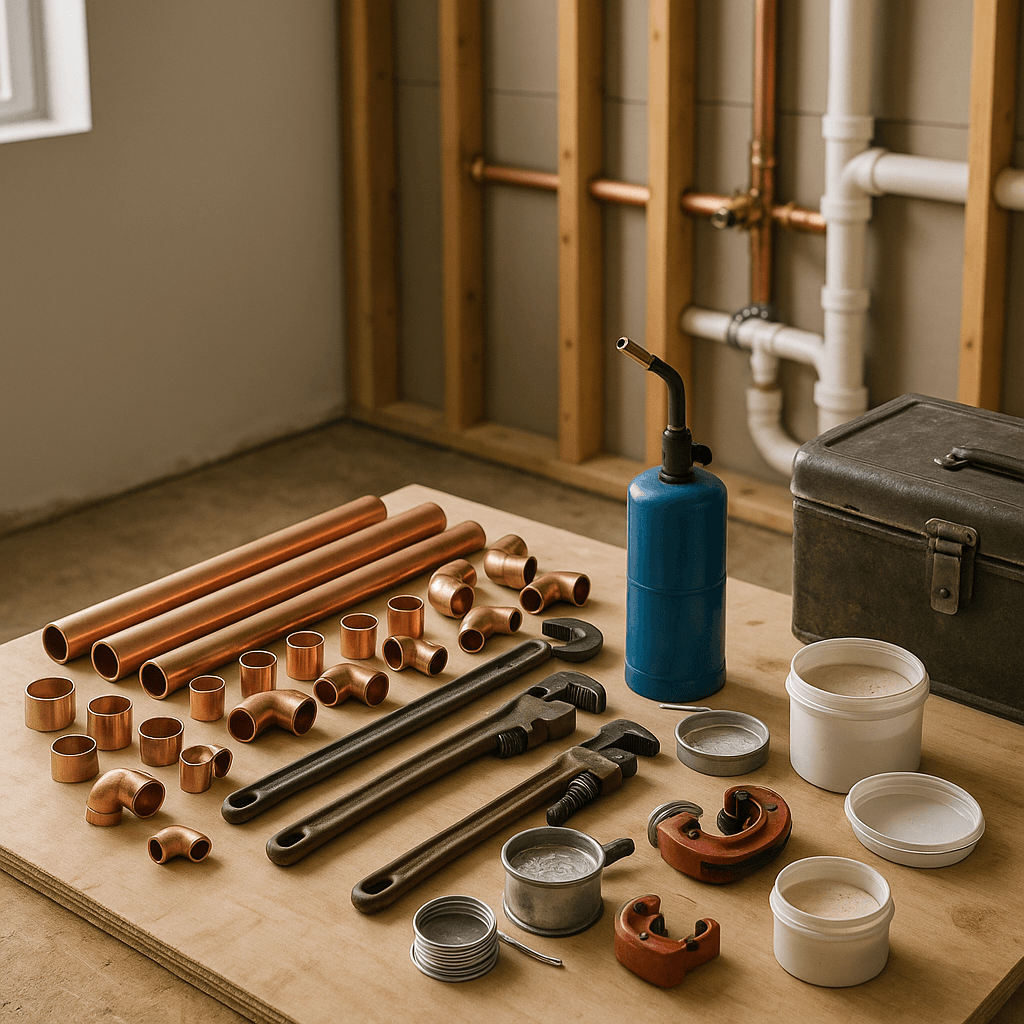
How Much Does It Cost to Start a Plumbing Business in Arkansas?
Low
$12,150
Medium
$40,500
High
$121,500
National average: $15,000 – $150,000
Interactive Startup Cost Calculator
Startup Cost Calculator
Plumbing Business in Arkansas
Options
Startup Costs
$37,989
Monthly Costs
$6,480
First Year Total
$115,749
Full Cost Breakdown
| Cost Category | Low | Medium | High | Notes |
|---|---|---|---|---|
| Service Vehicle | $4,050 | $16,200 | $40,500 | A plumbing van is your office and tool storage — invest in shelving and organization. A reliable cargo van suitable for plumbing work is a meaningful five-figure capital purchase even when buying used. |
| Plumbing Tools & Equipment | $2,430 | $8,100 | $24,300 | A commercial drain snake and a hydro-jetter are each individual capital line items in the four-to-low-five figure range. Building out a complete tool set across hand tools, power tools, and diagnostic equipment is a substantial five-figure investment. |
| Initial Parts Inventory | $810 | $3,240 | $9,720 | Keep fast-moving parts (supply valves, p-traps, wax rings) on the truck. Use supply houses for job-specific materials. |
| Business License & Contractor License | $405 | $1,620 | $4,860 | Most states require a master plumber license (typically several years of journeyman experience plus an exam) to own a plumbing business. Individual license fees are typically a low three-figure cost; the larger gate is the experience requirement. |
| Insurance | $1,620 | $4,860 | $14,580 | General liability for plumbers covers water damage from leaks. A single burst-pipe or sewer-line claim can easily run into the high five figures or six figures, which is why coverage limits matter as much as premium. |
| Field Service Software | $243 | $1,215 | $4,050 | Jobber, ServiceTitan, and Housecall Pro are popular plumbing platforms billed on monthly subscriptions that scale with technician seat count. |
| Marketing & Lead Generation | $405 | $2,430 | $8,100 | Google Ads for plumbing converts well — emergency plumbing keywords carry some of the highest purchase intent of any home-services category. |
| Continuing Education & License Renewal | $81 | $324 | $972 | Most states require continuing education for plumbing license renewal every 1-3 years. |
| Total Startup Cost | $10,044 | $37,989 | $107,082 | Required costs only |
Licenses & Permits in Arkansas
Licenses & Permits in Arkansas
General Business License
Arkansas does not have a statewide general business license, but businesses must register with the Secretary of State for entity formation and with the Department of Finance and Administration for sales tax purposes. Individual cities and counties issue their own business licenses. Fayetteville, Little Rock, and other municipalities have their own business licensing requirements and fees.
Industry-Specific Licenses
- Food Service Permit — Arkansas Department of Health — Food Protection ProgramCost: Varies — contact agency • Renewal: Annual
- Contractor License — Arkansas Contractors Licensing BoardCost: Varies — contact agency • Renewal: Annual
- Cosmetology Shop License — Arkansas State Board of CosmetologyCost: Varies — contact agency • Renewal: Annual
- Child Care Facility License — Arkansas Division of Child Care and Early Childhood EducationCost: Varies — contact agency • Renewal: Annual
- Motor Carrier Permit — Arkansas Department of TransportationCost: Varies — contact agency • Renewal: Annual
- Real Estate Broker License — Arkansas Real Estate CommissionCost: Varies — contact agency • Renewal: Annual
- Pesticide Business License — Arkansas Department of AgricultureCost: Varies — contact agency • Renewal: Annual
- Motor Vehicle Dealer License — Arkansas Motor Vehicle CommissionCost: Varies — contact agency • Renewal: Annual
Home-Based Business Rules
Home-based businesses in Arkansas are regulated by local municipal ordinances. Most Arkansas cities allow home occupations in residential zones with restrictions on signage, traffic, and commercial storage. Rural areas outside municipal boundaries generally have no restrictions on home-based businesses. Arkansas Act 571 clarified that home-based food businesses are legal under certain conditions.
Monthly Operating Costs
After launch, plan for these ongoing monthly expenses for your Plumbing Business:
Low
$3,000/mo
Medium
$8,000/mo
High
$25,000/mo
Revenue Potential
Annual Revenue Range
$80,000 – $700,000 (annual)
Profit Margins
20-40%
Break-Even Timeline
3-9 months
How Arkansas Compares to Neighboring States
Arkansas is one of the more affordable states for launching a Plumbing Business, with a cost-of-living index of 88.7 (national average is 100). Compared to neighboring Missouri ($41,500 median startup cost), Arkansas offers lower costs for a Plumbing Business.
Common Mistakes to Avoid
- 1
Starting without proper licensing — unlicensed plumbing work is illegal in most states and voids homeowner insurance
- 2
Undercharging for emergency calls — after-hours plumbing carries a meaningful premium over standard daytime rates
- 3
Not carrying adequate general liability — a burst-pipe flood claim can easily run into the high five figures or six figures
- 4
Not building service agreements with property management companies — recurring commercial work provides stability
- 5
Neglecting the water heater and sewer-camera segments — water heater replacement is one of the highest per-job revenue items in residential plumbing
Next Steps to Launch Your Plumbing Business
- 1
Research local zoning requirements in Arkansas
- 2
Register your Plumbing Business as an LLC in Arkansas (filing fee: $45). If you would rather not file the paperwork yourself, you can compare business formation services.
This is a paid link. If you sign up through it, we earn a commission at no extra cost to you.
- 3
Apply for required licenses and permits through the Arkansas Secretary of State
- 4
Secure business insurance appropriate for your Plumbing Business
- 5
Open a dedicated business bank account to separate personal and business finances
Frequently Asked Questions
Related Businesses in Arkansas
Electrical Business
Home Services$15,000 – $160,000
View in Arkansas →
HVAC Business
Home Services$20,000 – $200,000
View in Arkansas →
General Contracting Business
Construction & Trades$20,000 – $130,000
View in Arkansas →
Handyman Business
Home Services$2,000 – $33,000
View in Arkansas →
Roofing Company
Home Services$15,000 – $180,000
View in Arkansas →
Start a Plumbing Business in Other States
See the national overview for Plumbing Business or browse all businesses you can start in Arkansas.