How Much Does It Cost to Start a Podcast Production Company in Vermont?
Starting a Podcast Production Company in Vermont typically costs between $2,180 and $19,620, with a median estimate of $6,540. Vermont’s cost of living runs 12% above the national average, which increases commercial rent and labor costs. LLC formation in Vermont costs $125 to file. Most podcast production company businesses take 2-4 weeks to launch.
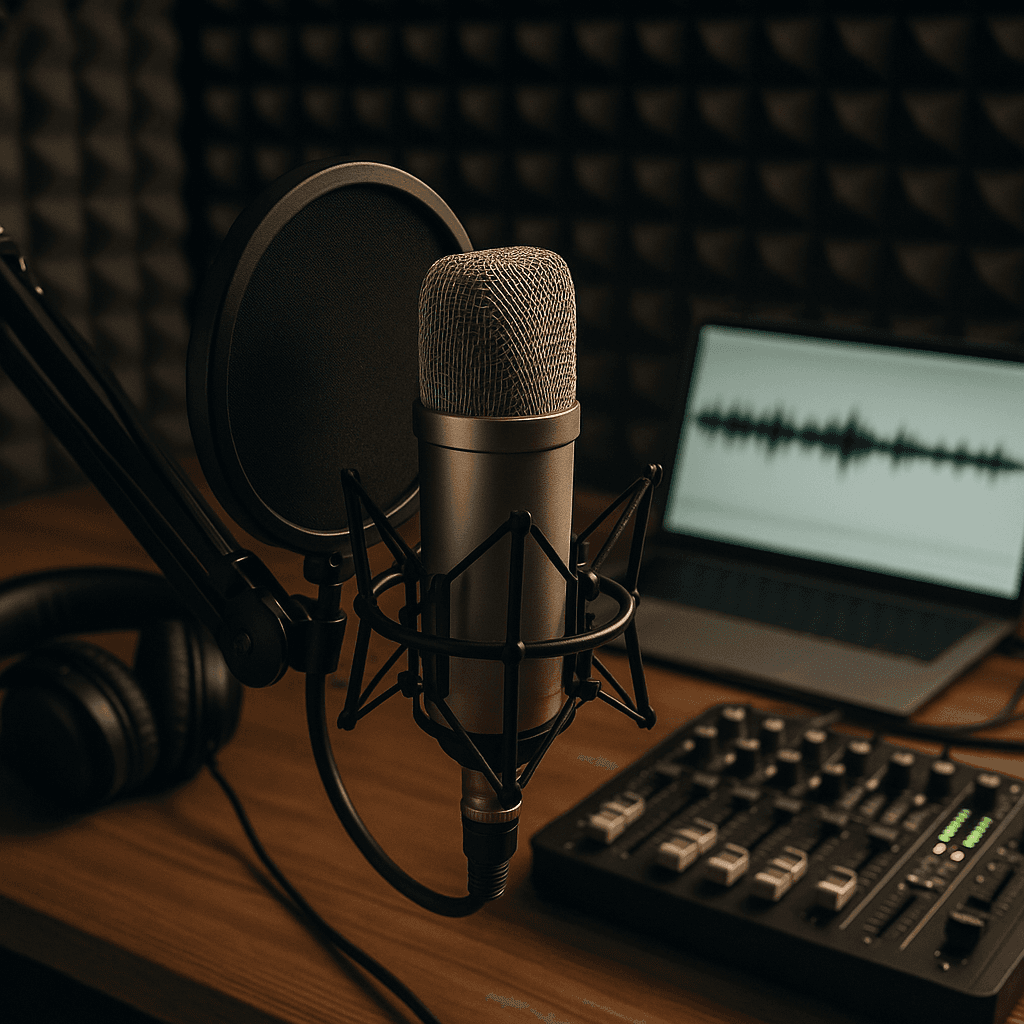
How Much Does It Cost to Start a Podcast Production Company in Vermont?
Low
$2,180
Medium
$6,540
High
$19,620
National average: $2,000 – $18,000
Interactive Startup Cost Calculator
Startup Cost Calculator
Podcast Production Company in Vermont
Options
Startup Costs
$6,649
Monthly Costs
$2,180
First Year Total
$32,809
Full Cost Breakdown
| Cost Category | Low | Medium | High | Notes |
|---|---|---|---|---|
| Business Formation | $109 | $327 | $872 | Simple LLC filing sufficient for podcast production services. |
| Recording Equipment | $545 | $1,635 | $4,360 | The Shure SM7B (https://www.shure.com/en-US/microphones/sm7b) is the podcast industry-standard microphone — a mid-three-figure capital purchase. |
| Audio Editing Software | $218 | $654 | $1,635 | Descript (https://www.descript.com/pricing) is popular for transcript-based editing, billed as a low-two-figure ongoing monthly subscription. |
| Acoustic Treatment | $218 | $654 | $2,180 | Proper acoustic treatment dramatically improves audio quality. |
| Podcast Hosting & Distribution | $109 | $327 | $872 | Per-client hosting costs; pass through to client or include in service fee. |
| Website & Portfolio | $327 | $1,090 | $3,270 | Audio samples are the primary conversion tool. |
| Project Management & Delivery Tools | $109 | $327 | $872 | Systemized workflows enable faster episode turnaround. |
| Video Recording Equipment (optional) | $545 | $1,635 | $5,450 | Video podcasts are increasingly standard — YouTube distribution is essential. |
| Total Startup Cost | $1,635 | $5,014 | $14,061 | Required costs only |
Licenses & Permits in Vermont
Licenses & Permits in Vermont
General Business License
Vermont does not have a statewide general business license. Businesses must register their entity with the Vermont Secretary of State and register with the Vermont Department of Taxes for sales and use tax and withholding tax purposes. Vermont has relatively few municipalities that require local business licenses. Vermont's regulatory environment, while progressive, is generally streamlined for small businesses. The Vermont Small Business Development Center helps businesses navigate registration requirements.
Industry-Specific Licenses
- Food and Lodging License — Vermont Department of Health — Food and Lodging ProgramCost: Varies — contact agency • Renewal: Annual
- Master Electrician License — Vermont Office of Professional RegulationCost: Varies — contact agency • Renewal: Annual
- Cosmetology Shop License — Vermont Office of Professional RegulationCost: Varies — contact agency • Renewal: Annual
- Real Estate Broker License — Vermont Office of Professional Regulation — Real EstateCost: Varies — contact agency • Renewal: Biennial
- Regulated Child Development Facility License — Vermont Department for Children and Families — Child Development DivisionCost: Varies — contact agency • Renewal: Annual
- Farmer's Market Permit — Vermont Agency of Agriculture, Food and MarketsCost: Varies — contact agency • Renewal: Annual
- First and Third Class Licenses — Vermont Liquor and Lottery Control BoardCost: Varies — contact agency • Renewal: Annual
- Bed and Breakfast Registration — Vermont Department of Health — Food and LodgingCost: Varies — contact agency • Renewal: Annual
Home-Based Business Rules
Vermont towns regulate home-based businesses through local zoning bylaws. Vermont's many small towns are generally permissive of home-based businesses, reflecting the state's strong entrepreneurial and agricultural tradition. Burlington and Montpelier allow home occupations in residential zones with standard restrictions on commercial signage and customer traffic. Vermont's very high cottage food sales cap strongly supports home-based food businesses.
Monthly Operating Costs
After launch, plan for these ongoing monthly expenses for your Podcast Production Company:
Low
$500/mo
Medium
$2,000/mo
High
$6,000/mo
Revenue Potential
Annual Revenue Range
$30,000 – $250,000 (annual)
Profit Margins
40-65%
Break-Even Timeline
1-3 months
How Vermont Compares to Neighboring States
Vermont is a higher-cost state for starting a Podcast Production Company, with a cost-of-living index of 112.2 (national average is 100). Compared to neighboring New York ($8,340 median startup cost), Vermont offers lower costs for a Podcast Production Company.
| State | Est. Cost | LLC Fee |
|---|---|---|
| Vermont (current) | $6,540 | $125 |
| New York | $8,340 | $200 |
| New Hampshire | $7,020 | $102 |
| Massachusetts | $9,240 | $500 |
Common Mistakes to Avoid
- 1
Undercharging for episode editing time (plan 2-4 hours per episode)
- 2
No retainer agreements — per-episode pricing creates lumpy cash flow
- 3
Accepting too many clients before building efficient workflows
- 4
Neglecting show notes and transcription as upsell services
- 5
Not specializing in a niche (B2B, thought leadership, true crime)
Next Steps to Launch Your Podcast Production Company
- 1
Form your LLC in Vermont — protects you from IP disputes and provides a professional structure for client contracts (filing fee: $125). If you would rather not file the paperwork yourself, you can compare business formation services.
This is a paid link. If you sign up through it, we earn a commission at no extra cost to you.
- 2
Obtain a business license in Vermont and set up a dedicated business bank account for production revenue
- 3
Invest in professional recording equipment — Shure SM7B or Rode NT1 microphone, audio interface, and acoustic treatment panels
- 4
Set up your Digital Audio Workstation (DAW) — Adobe Audition, Descript (for transcript-based editing), or Logic Pro X
- 5
Create a podcast production agreement template covering deliverables, episode count, turnaround times, and licensing rights
- 6
Build a demo reel with 2-3 sample episodes at different quality levels to show prospective clients your range
- 7
Set up distribution accounts on Buzzsprout, Libsyn, or Spotify for Podcasters to publish client shows
- 8
Join Podcast Movement community and reach out to local businesses and speakers who need podcast launch support
Frequently Asked Questions
Related Businesses in Vermont
Start a Podcast Production Company in Other States
See the national overview for Podcast Production Company or browse all businesses you can start in Vermont.