How Much Does It Cost to Start a Spa & Massage Therapy in New York?
Starting a Spa & Massage Therapy in New York typically costs between $13,900 and $347,500, with a median estimate of $97,300. New York’s cost of living runs 26% above the national average, which increases commercial rent and labor costs. LLC formation in New York costs $200 to file. Most spa & massage therapy businesses take 2-5 months to launch.
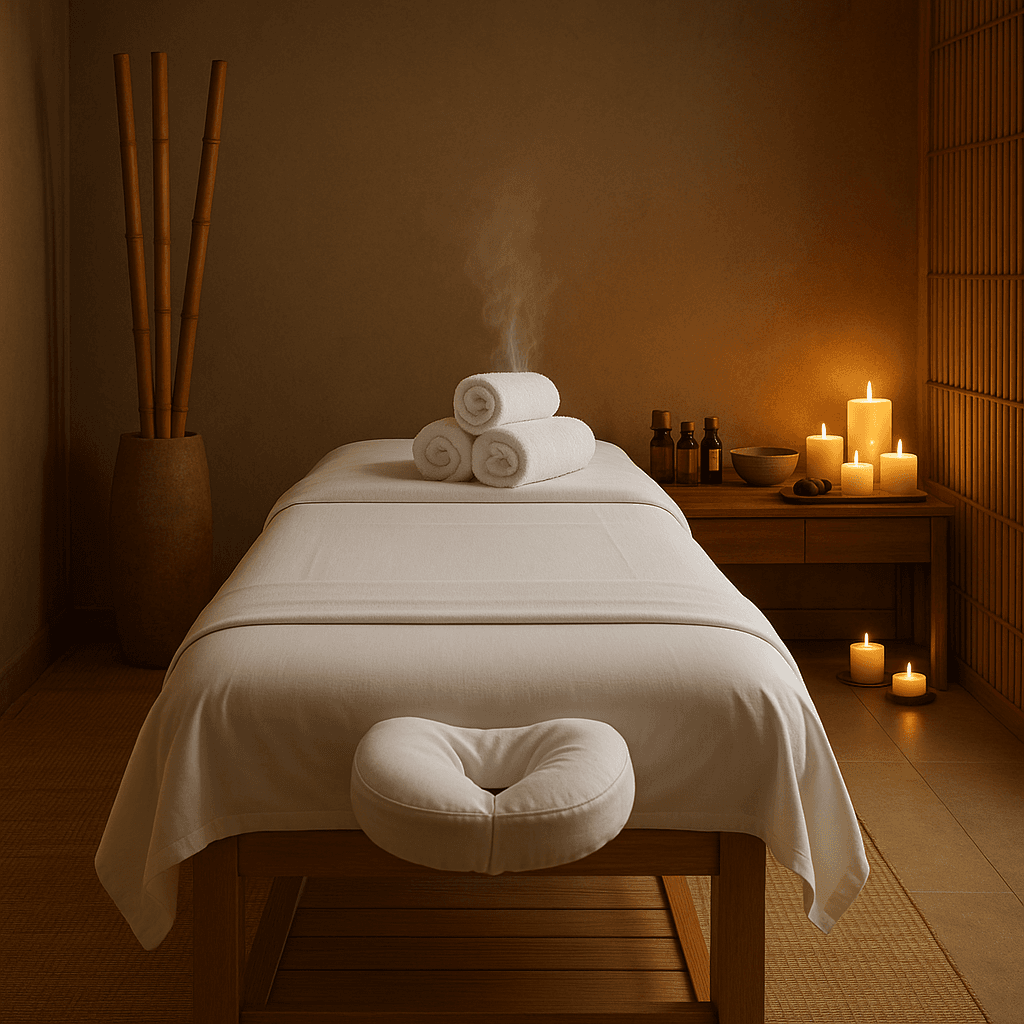
How Much Does It Cost to Start a Spa & Massage Therapy in New York?
Low
$13,900
Medium
$97,300
High
$347,500
National average: $10,000 – $250,000
Interactive Startup Cost Calculator
Startup Cost Calculator
Spa & Massage Therapy in New York
Options
Startup Costs
$114,010
Monthly Costs
$13,900
First Year Total
$280,810
Full Cost Breakdown
| Cost Category | Low | Medium | High | Notes |
|---|---|---|---|---|
| Spa Space Lease & Build-Out | $6,950 | $41,700 | $166,800 | Each treatment room is a meaningful build-out line item due to soundproofing, plumbing for hydrotherapy where applicable, and finishes that justify premium pricing. A four-room spa multiplies that cost across each treatment space. |
| Spa Equipment & Furniture | $6,950 | $27,800 | $83,400 | A professional massage table is a low-to-mid four-figure capital purchase. Hydrotherapy tubs, hot-stone warmers, and steamers are each significant additional line items. Start with essentials and expand as treatment menu and demand grow. |
| Licenses & Permits | $695 | $2,780 | $8,340 | Massage therapist licensing requires 500-1,000 hours of approved school depending on state, and individual licenses are typically a low three-figure cost per therapist per state. Establishment-level licensing requirements vary significantly. |
| Products & Inventory | $2,085 | $6,950 | $20,850 | Retail products (skincare, aromatherapy) carry strong markups over wholesale and meaningfully expand revenue per visit when offered post-treatment. |
| Booking Software & POS | $695 | $2,780 | $8,340 | MindBody, Vagaro, and Square are popular spa management platforms billed on monthly subscriptions that scale with provider count. |
| Insurance | $1,200 | $4,200 | $10,800 | Professional liability for massage therapists is typically a low three-figure annual cost per therapist through industry associations like ABMP (https://www.abmp.com/) or AMTA (https://www.amtamassage.org/). |
| Marketing & Branding | $1,390 | $6,950 | $20,850 | Gift card sales are a major revenue driver for spas — promote aggressively during holidays. |
| Working Capital Reserve | $6,950 | $20,850 | $69,500 | Spas build clientele slowly through word-of-mouth. Budget for a 3-6 month ramp-up period. |
| Total Startup Cost | $26,915 | $114,010 | $388,880 | Required costs only |
Licenses & Permits in New York
Licenses & Permits in New York
General Business License
New York State does not have a statewide general business license, but businesses face extensive state and local regulatory requirements. All businesses must register their entity with the New York Department of State and register with the New York State Department of Taxation and Finance for sales tax and employer taxes. New York City has its own comprehensive business licensing system through the NYC Department of Consumer and Worker Protection (DCWP), with over 55 different license types. Upstate New York municipalities have their own varying requirements.
Industry-Specific Licenses
- Food Service Establishment Permit — New York State Department of Agriculture and Markets or NYC DOHMHCost: Varies — contact agency • Renewal: Annual
- Home Improvement Contractor License (NYC) or General Contractor License (local) — NYC Department of Consumer and Worker Protection or Local Department of BuildingsCost: Varies — contact agency • Renewal: Biennial
- Appearance Enhancement Establishment License — New York State Department of State — Division of Licensing ServicesCost: Varies — contact agency • Renewal: Biennial
- Real Estate Broker License — New York State Department of State — Division of Licensing ServicesCost: Varies — contact agency • Renewal: Biennial
- Child Day Care Center License — New York Office of Children and Family ServicesCost: Varies — contact agency • Renewal: Annual
- Retail On-Premises License — New York State Liquor AuthorityCost: Varies — contact agency • Renewal: Biennial
- Adult-Use Retail Dispensary License — New York Office of Cannabis ManagementCost: Varies — contact agency • Renewal: Annual
- For-Hire Vehicle License (NYC) or Motor Carrier Permit — NYC Taxi and Limousine Commission or NYSDOTCost: Varies — contact agency • Renewal: Annual
- Money Transmitter License — New York State Department of Financial ServicesCost: Varies — contact agency • Renewal: Annual
Home-Based Business Rules
New York City severely restricts home-based businesses through its Zoning Resolution, limiting most business activities in residential zones to those clearly incidental to residential use. Upstate New York municipalities have more permissive home occupation rules. New York's cottage food law allows limited home-based food production with direct consumer sales. New York City artists, creative professionals, and consultants often operate home-based businesses under limited residential zoning provisions.
Monthly Operating Costs
After launch, plan for these ongoing monthly expenses for your Spa & Massage Therapy:
Low
$3,000/mo
Medium
$10,000/mo
High
$30,000/mo
Revenue Potential
Annual Revenue Range
$60,000 – $600,000 (annual)
Profit Margins
10-25%
Break-Even Timeline
12-24 months
How New York Compares to Neighboring States
New York is a higher-cost state for starting a Spa & Massage Therapy, with a cost-of-living index of 125.8 (national average is 100). Compared to neighboring Vermont ($76,300 median startup cost), New York has higher costs for a Spa & Massage Therapy.
| State | Est. Cost | LLC Fee |
|---|---|---|
| New York (current) | $97,300 | $200 |
| Vermont | $76,300 | $125 |
| Massachusetts | $107,800 | $500 |
| Connecticut | $83,300 | $120 |
| New Jersey | $87,500 | $125 |
| Pennsylvania | $67,200 | $125 |
Common Mistakes to Avoid
- 1
Hiring unlicensed therapists — state licensing boards conduct inspections and fines are significant
- 2
Underpricing services — massage rates need to cover therapist time, supplies, room overhead, and reasonable owner profit; pricing below the local market floor signals low quality and undercuts the entire P&L
- 3
Not offering memberships — monthly massage memberships create predictable revenue and higher retention
- 4
Neglecting retail product sales — product sales meaningfully expand revenue per visit when consistently recommended after treatment
- 5
Opening without a full client pipeline — a solo therapist needs a substantial base of regular clients before going full-time
Next Steps to Launch Your Spa & Massage Therapy
- 1
Obtain your New York massage therapy license and any required esthetician or aesthetician license from the New York Board of Cosmetology
- 2
Register your Spa as an LLC with the New York Secretary of State ($200 filing fee). If you would rather not file the paperwork yourself, you can compare business formation services.
This is a paid link. If you sign up through it, we earn a commission at no extra cost to you.
- 3
Pass the New York health department inspection for your spa facility and treatment rooms
- 4
Purchase massage tables, facial equipment, hydrotherapy units, sterilization equipment, and salon furniture sized to your treatment menu
- 5
Get professional liability insurance for massage/esthetics services and general liability for your facility; premiums scale with provider count
- 6
Hire licensed massage therapists and estheticians — verify New York license requirements for all service providers
- 7
Set up your booking system (Vagaro, Mindbody, or Fresha) for online appointment scheduling
- 8
Establish your retail product line and wholesale spa supply accounts for towels, robes, and treatment products
Frequently Asked Questions
Related Businesses in New York
Yoga Studio
Health & Wellness$19,800 – $200,000
View in New York →
Med Spa
Health & Wellness$133,000 – $1,000,000
View in New York →
Personal Training Business
Health & Wellness$5,000 – $100,000
View in New York →
Gym & Fitness Center
Health & Wellness$50,000 – $1,000,000
View in New York →
Esthetics & Skincare Business
Beauty & Personal Care$8,000 – $120,000
View in New York →
Start a Spa & Massage Therapy in Other States
See the national overview for Spa & Massage Therapy or browse all businesses you can start in New York.