How Much Does It Cost to Start a Used Car Dealership in Arizona?
Starting a Used Car Dealership in Arizona typically costs between $55,000 and $660,000, with a median estimate of $220,000. Arizona’s cost of living runs 10% above the national average, which increases commercial rent and labor costs. LLC formation in Arizona costs $50 to file. Most used car dealership businesses take 2-6 months to launch.
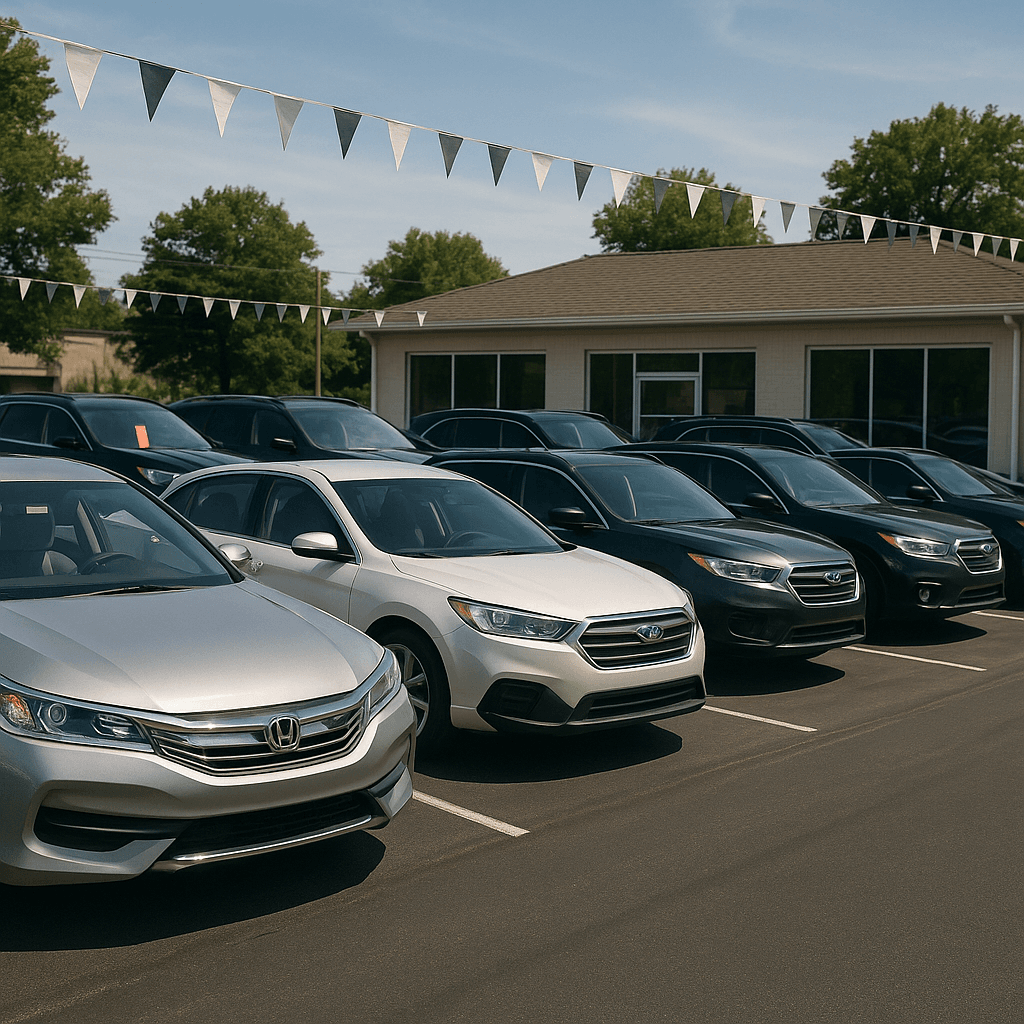
How Much Does It Cost to Start a Used Car Dealership in Arizona?
Low
$55,000
Medium
$220,000
High
$660,000
National average: $50,000 – $600,000
Interactive Startup Cost Calculator
Startup Cost Calculator
Used Car Dealership in Arizona
Options
Startup Costs
$203,500
Monthly Costs
$16,500
First Year Total
$401,500
Full Cost Breakdown
| Cost Category | Low | Medium | High | Notes |
|---|---|---|---|---|
| Dealer License & Surety Bond | $1,100 | $5,500 | $16,500 | Dealer license fees vary materially by state — typically a low to mid four-figure cost when application, plates, and any required pre-licensing course are bundled. Surety bonds are sold at a small percentage of face value, with the premium driven by personal credit. |
| Lot or Showroom Space | $5,500 | $27,500 | $88,000 | Most states require a physical dealer lot. Minimum lot sizes and office requirements vary by state. Many states require five or more display spaces minimum. |
| Vehicle Inventory | $33,000 | $110,000 | $440,000 | Flooring lines of credit from Dealertrack, NextGear, or local banks finance the bulk of inventory. The average per-vehicle acquisition cost varies widely by segment — a budget used-car lot transacts at a meaningfully lower per-unit cost than a near-new pre-owned dealer. |
| Dealer Management Software | $1,100 | $4,400 | $16,500 | DealerSocket, VinSolutions, and CarBase.Online are popular DMS options billed on monthly subscriptions that scale with inventory and seat count. |
| Dealer Auction Memberships | $550 | $2,200 | $5,500 | Physical auction memberships are typically a low three-figure annual fee. Online platforms (ADESA, Manheim Express) charge per-transaction fees on each unit purchased. |
| Insurance | $3,300 | $11,000 | $33,000 | Lot insurance covers vehicles from theft, weather, and vandalism. Garage liability covers test-drive accidents. Premiums scale with inventory value and lot security. |
| Reconditioning & Detailing | $2,200 | $8,800 | $27,500 | Per-vehicle reconditioning is typically a low-to-mid three-figure-to-low-four-figure cost depending on age and condition. Quality reconditioning reduces time-to-sell and protects gross profit. |
| Marketing & Digital Advertising | $1,100 | $6,600 | $22,000 | Cars.com (https://www.cars.com/) and AutoTrader (https://www.autotrader.com/) are paid listing platforms billed on monthly subscriptions per dealer that generate qualified buyer leads. Facebook Marketplace is free and extremely effective. |
| Working Capital Reserve | $8,800 | $27,500 | $88,000 | Inventory turns every 45-75 days on average. Flooring interest is charged monthly on the outstanding balance and is one of the largest non-COGS line items in a used-car P&L. |
| Total Startup Cost | $56,650 | $203,500 | $737,000 | Required costs only |
Licenses & Permits in Arizona
Licenses & Permits in Arizona
General Business License
Arizona does not have a statewide general business license. Businesses must register with the Arizona Department of Revenue for Transaction Privilege Tax (TPT) purposes if they sell goods or certain services. Individual cities and counties in Arizona may require their own business licenses, especially Scottsdale, Tempe, and Phoenix which have active enforcement.
Industry-Specific Licenses
- Food Service Establishment License — Arizona Department of Health Services or County Health DepartmentCost: Varies — contact agency • Renewal: Annual
- Contractor License — Arizona Registrar of ContractorsCost: Varies — contact agency • Renewal: Biennial
- Cosmetology Salon License — Arizona State Board of CosmetologyCost: Varies — contact agency • Renewal: Biennial
- Real Estate Broker License — Arizona Department of Real EstateCost: Varies — contact agency • Renewal: Biennial
- Child Care Facility License — Arizona Department of Health Services — Child Care LicensingCost: Varies — contact agency • Renewal: Annual
- Liquor License — Arizona Department of Liquor Licenses and ControlCost: Varies — contact agency • Renewal: Annual
- Landscaping Contractor License — Arizona Registrar of ContractorsCost: Varies — contact agency • Renewal: Biennial
- Motor Vehicle Dealer License — Arizona Department of TransportationCost: Varies — contact agency • Renewal: Annual
Home-Based Business Rules
Arizona allows home-based businesses under most municipal zoning codes as a 'home occupation' with restrictions on signage, employee visits, and customer traffic. State law (A.R.S. § 9-500.39) limits local governments from outright prohibiting home-based businesses. Many Phoenix metro cities have updated their ordinances to allow more types of home occupations after the pandemic.
Monthly Operating Costs
After launch, plan for these ongoing monthly expenses for your Used Car Dealership:
Low
$5,000/mo
Medium
$15,000/mo
High
$50,000/mo
Revenue Potential
Annual Revenue Range
$500,000 – $10,000,000 (annual)
Profit Margins
1-3%
Break-Even Timeline
6-18 months
How Arizona Compares to Neighboring States
Arizona is a higher-cost state for starting a Used Car Dealership, with a cost-of-living index of 110.3 (national average is 100). Compared to neighboring California ($304,000 median startup cost), Arizona offers lower costs for a Used Car Dealership.
| State | Est. Cost | LLC Fee |
|---|---|---|
| Arizona (current) | $220,000 | $50 |
| California | $304,000 | $70 |
| Nevada | $210,000 | $425 |
| Utah | $200,000 | $54 |
| Colorado | $220,000 | $50 |
| New Mexico | $180,000 | $50 |
Common Mistakes to Avoid
- 1
Buying the wrong inventory — research market demand using vAuto or similar tools before buying at auction
- 2
Over-paying at auction — set maximum bid prices and walk away; better deals always come
- 3
Not understanding flooring interest costs — vehicles sitting 90+ days are money-losers even if sold at sticker
- 4
Ignoring state consumer protection laws — lemon law violations result in license suspension
- 5
Not offering financing — dealers who offer buy-here-pay-here or refer to outside lenders capture a meaningful amount of additional profit per sale through F&I products
Next Steps to Launch Your Used Car Dealership
- 1
Research local zoning requirements in Arizona
- 2
Register your Used Car Dealership as an LLC in Arizona (filing fee: $50). If you would rather not file the paperwork yourself, you can compare business formation services.
This is a paid link. If you sign up through it, we earn a commission at no extra cost to you.
- 3
Apply for required licenses and permits through the Arizona Secretary of State
- 4
Secure business insurance appropriate for your Used Car Dealership
- 5
Open a dedicated business bank account to separate personal and business finances
Frequently Asked Questions
Related Businesses in Arizona
Start a Used Car Dealership in Other States
See the national overview for Used Car Dealership or browse all businesses you can start in Arizona.