How Much Does It Cost to Start a Winery in California?
Starting a Winery in California typically costs between $760,000 and $4,560,000, with a median estimate of $1,158,240. California’s cost of living runs 42% above the national average, which increases commercial rent and labor costs. LLC formation in California costs $70 to file. Most winery businesses take 12-36 months to launch.
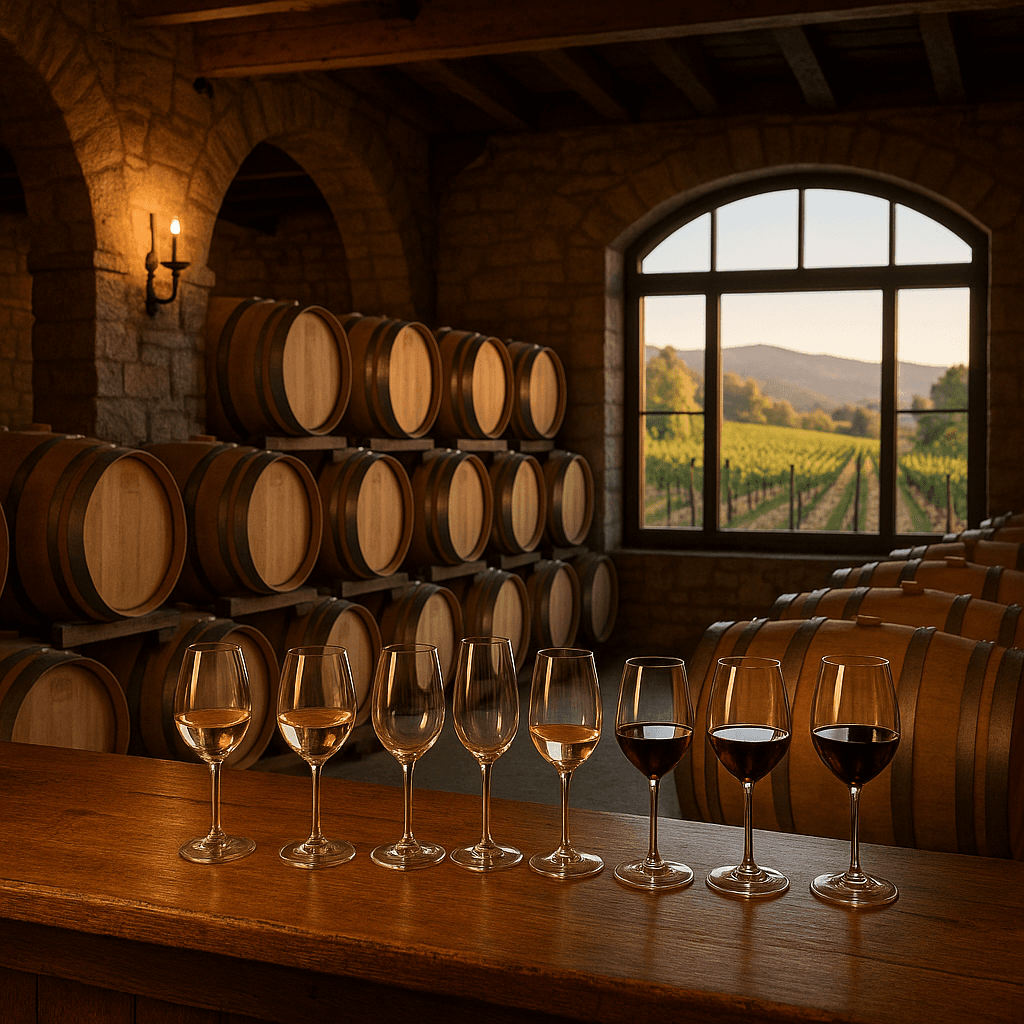
How Much Does It Cost to Start a Winery in California?
Low
$760,000
Medium
$1,158,240
High
$4,560,000
National average: $500,000 – $3,000,000
Interactive Startup Cost Calculator
Startup Cost Calculator
Winery in California
Options
Startup Costs
$1,154,190
Monthly Costs
$60,800
First Year Total
$1,883,790
Full Cost Breakdown
| Cost Category | Low | Medium | High | Notes |
|---|---|---|---|---|
| Winemaking Equipment | $136,800 | $152,000 | $608,000 | Quality used equipment can cut the equipment bill substantially. French oak barrels are a four-figure capital purchase each and typically last 3-5 vintages before flavor extraction declines. |
| Winery Facility | $182,400 | $228,000 | $760,000 | Converted agricultural buildings work well. Temperature control is essential — wine caves are the premium option. |
| Licenses & Permits | $7,600 | $18,240 | $60,800 | Direct-to-consumer wine shipping is illegal in some states. Know your target market's DTC laws. |
| Insurance | $12,500 | $18,750 | $62,500 | Crop insurance is critical if growing your own grapes — one frost can destroy an entire harvest. |
| Marketing & Branding | $22,800 | $38,000 | $121,600 | A wine club is the most reliable winery revenue channel: a few hundred dues-paying members at a healthy monthly rate generates a substantial six-figure annual recurring revenue base. |
| Working Capital Reserve | $212,800 | $304,000 | $760,000 | Wine production has a long cash cycle — grapes harvested in fall may not be sold for 12-36 months. |
| Land & Vineyard (or Grapes) (optional) | $121,600 | $304,000 | $3,040,000 | Sourcing grapes from established growers avoids land cost. Wine grape per-ton prices vary widely by variety and growing region — premium AVA grapes command meaningfully higher per-ton pricing than bulk-market fruit. |
| Tasting Room Build-Out (optional) | $60,800 | $91,200 | $304,000 | A beautiful tasting room drives DTC sales, wine club memberships, and event revenue. Don't cut corners. |
| Total Startup Cost | $574,900 | $758,990 | $2,372,900 | Required costs only |
Licenses & Permits in California
Licenses & Permits in California
General Business License
California does not have a statewide general business license, but most cities and counties require a local business license or business tax certificate. Businesses must register with the California Secretary of State for entity formation, obtain a seller's permit from the California Department of Tax and Fee Administration if selling taxable goods, and register with the EDD for payroll taxes if employing workers. San Francisco, Los Angeles, and other major cities have their own business registration and tax requirements.
Industry-Specific Licenses
- Food Facility Permit — California Department of Public Health or County Environmental HealthCost: Varies — contact agency • Renewal: Annual
- Contractor's License — California Contractors State License Board (CSLB)Cost: Varies — contact agency • Renewal: Biennial
- Cosmetology Establishment License — California Board of Barbering and CosmetologyCost: Varies — contact agency • Renewal: Biennial
- Real Estate Broker License — California Department of Real EstateCost: Varies — contact agency • Renewal: Every 4 years
- Child Care Center License — California Department of Social Services — Community Care LicensingCost: Varies — contact agency • Renewal: Biennial
- Alcoholic Beverage License — California Department of Alcoholic Beverage Control (ABC)Cost: Varies — contact agency • Renewal: Annual
- Landscaping Contractor License (C-27) — California Contractors State License Board (CSLB)Cost: Varies — contact agency • Renewal: Biennial
- Motor Carrier Permit — California Department of Motor VehiclesCost: Varies — contact agency • Renewal: Annual
- Auto Repair Dealer Registration — California Bureau of Automotive RepairCost: Varies — contact agency • Renewal: Biennial
Home-Based Business Rules
California's Home Occupation Ordinance varies by city but generally allows home-based businesses that don't generate customer traffic, employ non-resident workers, or create visible commercial activity. AB 2221 expanded rights for home-based food businesses under the Homemade Food Operations Act. Some cities, including Los Angeles, have updated their home occupation rules to allow more types of businesses post-pandemic.
Monthly Operating Costs
After launch, plan for these ongoing monthly expenses for your Winery:
Low
$10,000/mo
Medium
$40,000/mo
High
$150,000/mo
Revenue Potential
Annual Revenue Range
$100,000 – $5,000,000 (annual)
Profit Margins
4-12%
Break-Even Timeline
36-72 months
How California Compares to Neighboring States
California is a higher-cost state for starting a Winery, with a cost-of-living index of 142.2 (national average is 100). Compared to neighboring Oregon ($853,440 median startup cost), California has higher costs for a Winery.
Common Mistakes to Avoid
- 1
Growing your own grapes without 3-5 years of viticulture experience — hire a vineyard manager
- 2
Underestimating the cash cycle — wine takes 1-3 years from production to sale
- 3
Neglecting the wine club — DTC wine club memberships are the most profitable revenue channel
- 4
Not understanding direct-to-consumer shipping laws — many states prohibit out-of-state wine shipping
- 5
Building an expensive tasting room before establishing a consistent wine quality product
Next Steps to Launch Your Winery
- 1
Form your LLC or corporation in California — wineries face complex federal and state alcohol regulations; entity structure is critical (filing fee: $70). If you would rather not file the paperwork yourself, you can compare business formation services.
This is a paid link. If you sign up through it, we earn a commission at no extra cost to you.
- 2
Apply for a TTB (Alcohol and Tobacco Tax and Trade Bureau) federal winery permit at TTB.gov — required before producing or selling wine
- 3
Obtain your California winery license from the California Department of Alcoholic Beverage Control — fees and requirements vary by state
- 4
Apply for a tasting room permit in California — separate from your winery production license; allows direct-to-consumer sales on premises
- 5
Source your grapes: either plant a vineyard (3-5 year lead time) or establish contracts with local vineyard operators
- 6
Obtain wine production equipment — crushers, fermentation tanks, barrels, and bottling line (used equipment can reduce costs significantly)
- 7
Register with California for alcohol excise tax reporting — monthly or quarterly filings required on all wine produced and sold
- 8
Set up a wine club and direct-to-consumer shipping program — most profitable winery revenue channel, but check California DTC shipping permits
Frequently Asked Questions
Related Businesses in California
Brewery / Microbrewery
Food & Beverage$250,000 – $1,500,000
View in California →
Bar & Nightclub
Food & Beverage$100,000 – $850,000
View in California →
Restaurant
Food & Beverage$175,000 – $750,000
View in California →
Catering Business
Food & Beverage$12,000 – $130,000
View in California →
Food Truck
Food & Beverage$45,000 – $200,000
View in California →
Start a Winery in Other States
See the national overview for Winery or browse all businesses you can start in California.