How Much Does It Cost to Start a Barbershop in Wisconsin?
Starting a Barbershop in Wisconsin typically costs between $13,650 and $159,250, with a median estimate of $59,150. Wisconsin’s cost of living is 2% below the national average, which helps reduce operating expenses like commercial rent and labor. LLC formation in Wisconsin costs $130 to file. Most barbershop businesses take 2-4 months to launch.
How Much Does It Cost to Start a Barbershop in Wisconsin?
Low
$13,650
Medium
$59,150
High
$159,250
National average: $15,000 – $175,000
Interactive Startup Cost Calculator
Startup Cost Calculator
Barbershop in Wisconsin
Options
Startup Costs
$49,413
Monthly Costs
$7,280
First Year Total
$136,773
Full Cost Breakdown
| Cost Category | Low | Medium | High | Notes |
|---|---|---|---|---|
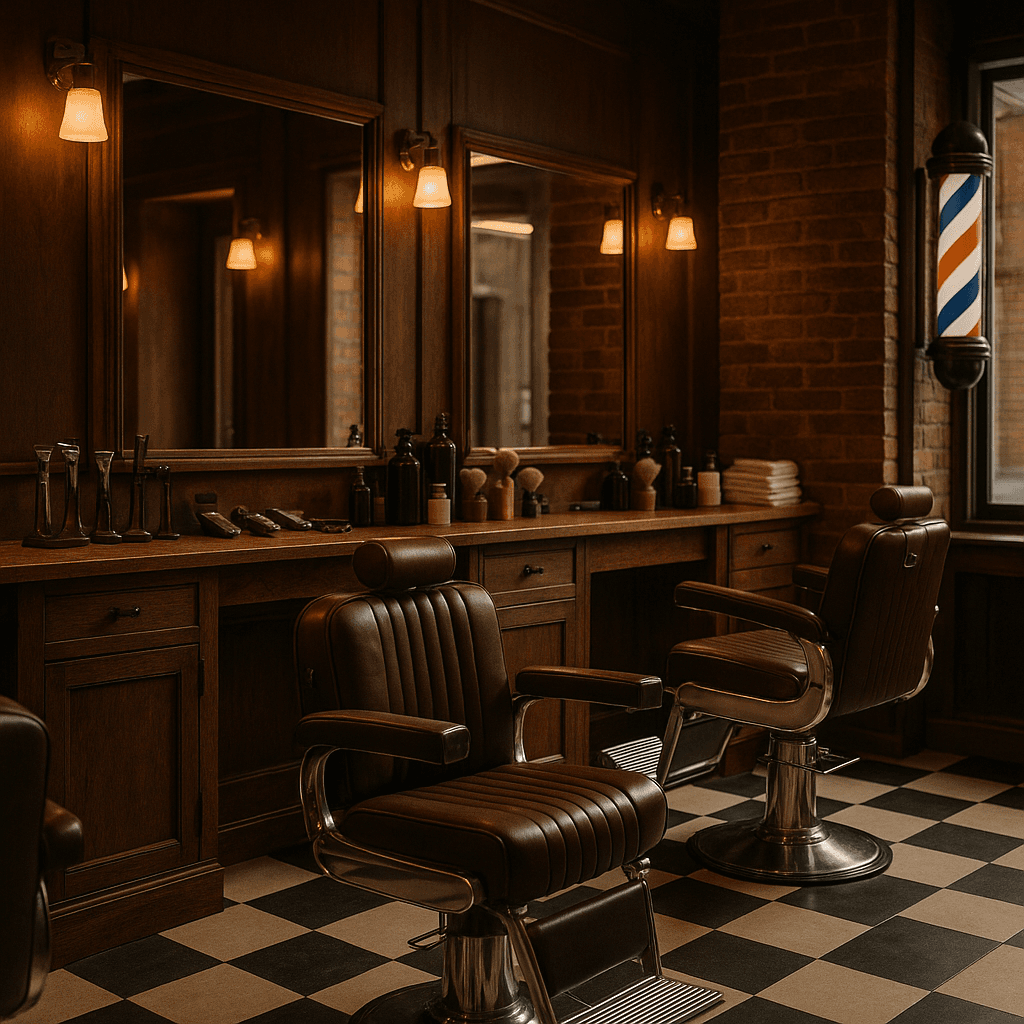
| Shop Space Lease & Build-Out | $4,550 | $22,750 | $72,800 | A 4-chair shop needs 600-1,000 sq ft. Classic barber shop aesthetic (brick, dark wood, vintage chairs) drives repeat visits. |
| Barber Chairs & Equipment | $2,730 | $9,100 | $27,300 | Takara Belmont and Belvedere are the dominant barber-chair brands and are priced as a meaningful per-chair capital purchase. Vintage chair restorations from estate sales add character at materially lower cost. |
| Barber Tools & Supplies | $910 | $2,730 | $7,280 | Wahl and Andis professional clippers are the workhorse tools for the trade. A complete starter kit per barber — clippers, trimmers, shears, straight razor, strop — is a low-to-mid four-figure investment. |
| State License & Business Permits | $182 | $910 | $2,730 | Barber licenses require 1,000-1,500 hours of schooling in most states. The establishment license itself is typically a low three-figure cost; the larger gate is the school requirement. |
| Insurance | $455 | $1,365 | $3,640 | Barber insurance is typically a low-to-mid three-figure annual cost through industry associations like ABMP (https://www.abmp.com/) or independent insurers. |
| Booking Software | $182 | $728 | $2,730 | StyleSeat, Booksy, and Squire are popular barbershop-specific booking platforms billed on monthly subscriptions that scale with chair count. |
| Marketing & Branding | $455 | $2,730 | $9,100 | Instagram transformation content and before/after photos are essential for barbershop marketing. |
| Working Capital Reserve | $2,730 | $9,100 | $27,300 | Barbershops build loyal clientele quickly — most shops reach break-even within 6-12 months. |
| Total Startup Cost | $12,194 | $49,413 | $152,880 | Required costs only |
Licenses & Permits in Wisconsin
Licenses & Permits in Wisconsin
General Business License
Wisconsin does not have a statewide general business license. Businesses must register their entity with the Wisconsin Department of Financial Institutions and register with the Wisconsin Department of Revenue for sales and use tax and withholding tax purposes. Some Wisconsin municipalities require local business licenses, though this varies. Milwaukee, Madison, and Green Bay have their own licensing requirements. Wisconsin's one-stop portal at DFI.wi.gov helps streamline business registration.
Industry-Specific Licenses
- Food Dealer License — Wisconsin Department of Agriculture, Trade and Consumer Protection or Local Health DepartmentCost: Varies — contact agency • Renewal: Annual
- Dwelling Contractor Certification — Wisconsin Department of Safety and Professional ServicesCost: Varies — contact agency • Renewal: Biennial
- Cosmetology Shop License — Wisconsin Board of CosmetologyCost: Varies — contact agency • Renewal: Biennial
- Real Estate Broker License — Wisconsin Real Estate Examining BoardCost: Varies — contact agency • Renewal: Biennial
- Child Care License — Wisconsin Department of Children and Families — Child Care CertificationCost: Varies — contact agency • Renewal: Annual
- Class B Beer License / Liquor License — Wisconsin Department of Revenue — Alcohol Beverage RegulationCost: Varies — contact agency • Renewal: Annual
- Pesticide Business License — Wisconsin Department of Agriculture, Trade and Consumer ProtectionCost: Varies — contact agency • Renewal: Annual
- Medical Practice License — Wisconsin Medical Examining BoardCost: Varies — contact agency • Renewal: Biennial
Home-Based Business Rules
Wisconsin cities, villages, and towns regulate home-based businesses through local zoning ordinances. Madison and Milwaukee allow home occupations in residential zones with standard restrictions on commercial signage, customer traffic, and non-resident employees. Wisconsin's many small towns and rural areas are generally accommodating of home-based businesses. Wisconsin's cottage food law supports home-based food production and direct consumer sales subject to a state-defined annual cap.
Monthly Operating Costs
After launch, plan for these ongoing monthly expenses for your Barbershop:
Low
$3,000/mo
Medium
$8,000/mo
High
$20,000/mo
Revenue Potential
Annual Revenue Range
$60,000 – $450,000 (annual)
Profit Margins
15-30%
Break-Even Timeline
6-18 months
How Wisconsin Compares to Neighboring States
Wisconsin is close to the national average for Barbershop startup costs, with a cost-of-living index of 98.5. Compared to neighboring Minnesota ($61,100 median startup cost), Wisconsin offers lower costs for a Barbershop.
Common Mistakes to Avoid
- 1
Opening in a location with poor foot traffic — barbershops live on walk-ins plus loyal repeat clients
- 2
Not building a booking system early — appointment slots are inventory; wasted slots are revenue lost forever
- 3
Underpricing cuts — pricing meaningfully below the local market floor races to the bottom and undercuts the entire P&L; price for the actual quality of the work
- 4
Hiring barbers without confirming their state licensure status
- 5
Not creating a distinct brand and aesthetic that makes clients want to come back and refer friends
Next Steps to Launch Your Barbershop
- 1
Obtain your Wisconsin barber license from the Wisconsin Board of Barber Examiners before cutting hair
- 2
Register your Barbershop as an LLC with the Wisconsin Secretary of State ($130 filing fee). If you would rather not file the paperwork yourself, you can compare business formation services.
This is a paid link. If you sign up through it, we earn a commission at no extra cost to you.
- 3
Pass the Wisconsin health department inspection for your barbershop — includes sanitation practices and blade sterilization
- 4
Lease your space and outfit barber chairs, mirrors, back bar, wash stations, and waiting area
- 5
Establish wholesale accounts for clippers, trimmers, barbicide, and grooming product suppliers
- 6
Get professional liability and general liability insurance for barbershop operations; premiums scale with chair count
- 7
Set up your booking system — Square Appointments, Booksy, or GlossGenius work well for barbershops
- 8
Hire licensed barbers — verify all staff hold current Wisconsin barber licenses before their first cut
Frequently Asked Questions
Related Businesses in Wisconsin
Hair Salon
Beauty & Personal Care$15,000 – $250,000
View in Wisconsin →
Nail Salon
Beauty & Personal Care$26,600 – $250,000
View in Wisconsin →
Tattoo Shop
Beauty & Personal Care$20,000 – $200,000
View in Wisconsin →
Esthetics & Skincare Business
Beauty & Personal Care$8,000 – $120,000
View in Wisconsin →
Beauty Supply Store
Beauty & Personal Care$30,000 – $300,000
View in Wisconsin →
Start a Barbershop in Other States
See the national overview for Barbershop or browse all businesses you can start in Wisconsin.