How Much Does It Cost to Start a Barbershop in Colorado?
Starting a Barbershop in Colorado typically costs between $16,500 and $192,500, with a median estimate of $71,500. Colorado’s cost of living runs 3% above the national average, which increases commercial rent and labor costs. LLC formation in Colorado costs $50 to file. Most barbershop businesses take 2-4 months to launch.
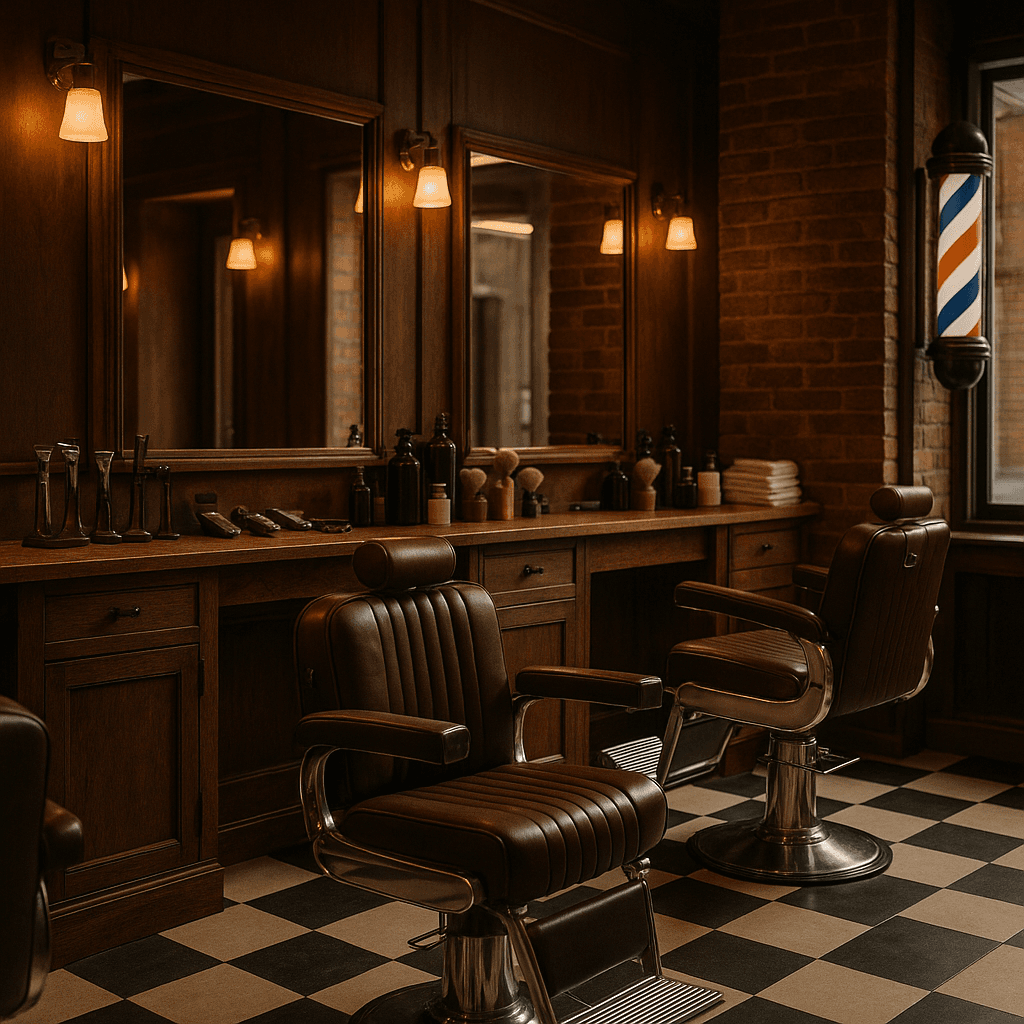
How Much Does It Cost to Start a Barbershop in Colorado?
Low
$16,500
Medium
$71,500
High
$192,500
National average: $15,000 – $175,000
Interactive Startup Cost Calculator
Startup Cost Calculator
Barbershop in Colorado
Options
Startup Costs
$59,730
Monthly Costs
$8,800
First Year Total
$165,330
Full Cost Breakdown
| Cost Category | Low | Medium | High | Notes |
|---|---|---|---|---|
| Shop Space Lease & Build-Out | $5,500 | $27,500 | $88,000 | A 4-chair shop needs 600-1,000 sq ft. Classic barber shop aesthetic (brick, dark wood, vintage chairs) drives repeat visits. |
| Barber Chairs & Equipment | $3,300 | $11,000 | $33,000 | Takara Belmont and Belvedere are the dominant barber-chair brands and are priced as a meaningful per-chair capital purchase. Vintage chair restorations from estate sales add character at materially lower cost. |
| Barber Tools & Supplies | $1,100 | $3,300 | $8,800 | Wahl and Andis professional clippers are the workhorse tools for the trade. A complete starter kit per barber — clippers, trimmers, shears, straight razor, strop — is a low-to-mid four-figure investment. |
| State License & Business Permits | $220 | $1,100 | $3,300 | Barber licenses require 1,000-1,500 hours of schooling in most states. The establishment license itself is typically a low three-figure cost; the larger gate is the school requirement. |
| Insurance | $550 | $1,650 | $4,400 | Barber insurance is typically a low-to-mid three-figure annual cost through industry associations like ABMP (https://www.abmp.com/) or independent insurers. |
| Booking Software | $220 | $880 | $3,300 | StyleSeat, Booksy, and Squire are popular barbershop-specific booking platforms billed on monthly subscriptions that scale with chair count. |
| Marketing & Branding | $550 | $3,300 | $11,000 | Instagram transformation content and before/after photos are essential for barbershop marketing. |
| Working Capital Reserve | $3,300 | $11,000 | $33,000 | Barbershops build loyal clientele quickly — most shops reach break-even within 6-12 months. |
| Total Startup Cost | $14,740 | $59,730 | $184,800 | Required costs only |
Licenses & Permits in Colorado
Licenses & Permits in Colorado
General Business License
Colorado does not have a statewide general business license requirement. Businesses must register their entity with the Colorado Secretary of State and obtain a sales tax license from the Colorado Department of Revenue if selling taxable goods or services. Many municipalities require a local business license — Denver, Aurora, Colorado Springs, and Boulder all have their own business licensing programs with state-set annual fees that vary by program.
Industry-Specific Licenses
- Retail Food Establishment License — Colorado Department of Public Health and Environment or County HealthCost: Varies — contact agency • Renewal: Annual
- Contractor License — Local jurisdiction (Denver Building and Fire Code Services, etc.)Cost: Varies — contact agency • Renewal: Annual
- Retail Marijuana Store License — Colorado Marijuana Enforcement DivisionCost: Varies — contact agency • Renewal: Annual
- Cosmetology Salon License — Colorado Office of Barber and Cosmetology LicensureCost: Varies — contact agency • Renewal: Biennial
- Real Estate Broker License — Colorado Division of Real EstateCost: Varies — contact agency • Renewal: Every 3 years
- Child Care Center License — Colorado Department of Early ChildhoodCost: Varies — contact agency • Renewal: Annual
- Retail Liquor Store License — Colorado Liquor Enforcement DivisionCost: Varies — contact agency • Renewal: Annual
- Outfitter and Guide License — Colorado Parks and WildlifeCost: Varies — contact agency • Renewal: Annual
Home-Based Business Rules
Colorado municipalities regulate home-based businesses through local zoning ordinances. Denver allows home occupations with restrictions on customer visits (typically 1 person at a time), no exterior display, and no storage of commercial vehicles. Colorado State law preempts local regulations that would completely prohibit home-based businesses. The Colorado Cottage Food Act specifically authorizes home-based food production with certain limitations.
Monthly Operating Costs
After launch, plan for these ongoing monthly expenses for your Barbershop:
Low
$3,000/mo
Medium
$8,000/mo
High
$20,000/mo
Revenue Potential
Annual Revenue Range
$60,000 – $450,000 (annual)
Profit Margins
15-30%
Break-Even Timeline
6-18 months
How Colorado Compares to Neighboring States
Colorado is close to the national average for Barbershop startup costs, with a cost-of-living index of 103.1. Compared to neighboring Wyoming ($54,600 median startup cost), Colorado has higher costs for a Barbershop.
Common Mistakes to Avoid
- 1
Opening in a location with poor foot traffic — barbershops live on walk-ins plus loyal repeat clients
- 2
Not building a booking system early — appointment slots are inventory; wasted slots are revenue lost forever
- 3
Underpricing cuts — pricing meaningfully below the local market floor races to the bottom and undercuts the entire P&L; price for the actual quality of the work
- 4
Hiring barbers without confirming their state licensure status
- 5
Not creating a distinct brand and aesthetic that makes clients want to come back and refer friends
Next Steps to Launch Your Barbershop
- 1
Obtain your Colorado barber license from the Colorado Board of Barber Examiners before cutting hair
- 2
Register your Barbershop as an LLC with the Colorado Secretary of State ($50 filing fee). If you would rather not file the paperwork yourself, you can compare business formation services.
This is a paid link. If you sign up through it, we earn a commission at no extra cost to you.
- 3
Pass the Colorado health department inspection for your barbershop — includes sanitation practices and blade sterilization
- 4
Lease your space and outfit barber chairs, mirrors, back bar, wash stations, and waiting area
- 5
Establish wholesale accounts for clippers, trimmers, barbicide, and grooming product suppliers
- 6
Get professional liability and general liability insurance for barbershop operations; premiums scale with chair count
- 7
Set up your booking system — Square Appointments, Booksy, or GlossGenius work well for barbershops
- 8
Hire licensed barbers — verify all staff hold current Colorado barber licenses before their first cut
Frequently Asked Questions
Related Businesses in Colorado
Hair Salon
Beauty & Personal Care$15,000 – $250,000
View in Colorado →
Nail Salon
Beauty & Personal Care$26,600 – $250,000
View in Colorado →
Tattoo Shop
Beauty & Personal Care$20,000 – $200,000
View in Colorado →
Esthetics & Skincare Business
Beauty & Personal Care$8,000 – $120,000
View in Colorado →
Beauty Supply Store
Beauty & Personal Care$30,000 – $300,000
View in Colorado →
Start a Barbershop in Other States
See the national overview for Barbershop or browse all businesses you can start in Colorado.