How Much Does It Cost to Start a Beauty Supply Store in Hawaii?
Starting a Beauty Supply Store in Hawaii typically costs between $57,900 and $579,000, with a median estimate of $193,000. Hawaii’s cost of living runs 84% above the national average, which increases commercial rent and labor costs. LLC formation in Hawaii costs $50 to file. Most beauty supply store businesses take 2-5 months to launch.
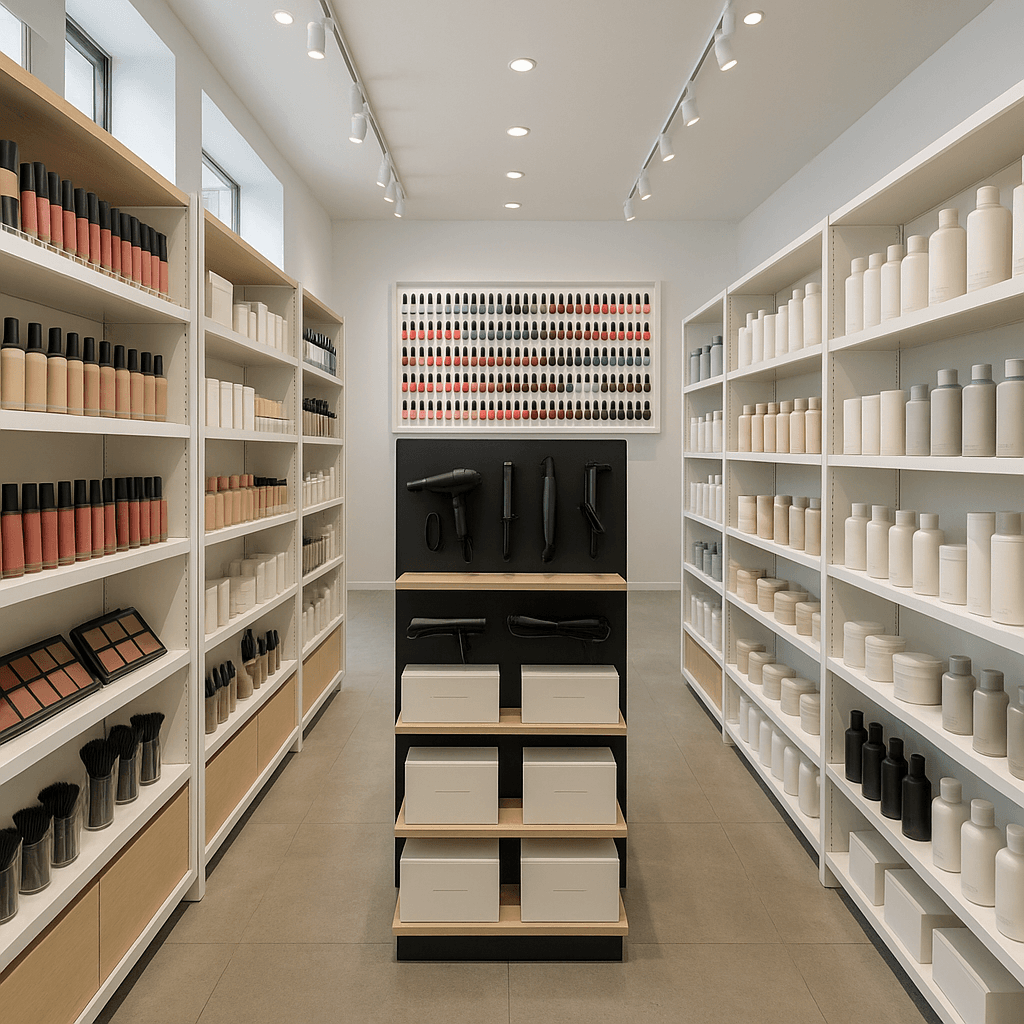
How Much Does It Cost to Start a Beauty Supply Store in Hawaii?
Low
$57,900
Medium
$193,000
High
$579,000
National average: $30,000 – $300,000
Interactive Startup Cost Calculator
Startup Cost Calculator
Beauty Supply Store in Hawaii
Options
Startup Costs
$219,374
Monthly Costs
$28,950
First Year Total
$566,774
Full Cost Breakdown
| Cost Category | Low | Medium | High | Notes |
|---|---|---|---|---|
| Retail Space Lease & Build-Out | $19,300 | $67,550 | $193,000 | Beauty supply stores need 1,500-3,000 sq ft minimum. High-traffic strip mall locations near salons are ideal. |
| Initial Product Inventory | $38,600 | $96,500 | $289,500 | Inventory is the largest startup cost. Stock 3-4 months of projected inventory to avoid stockouts. |
| Shelving, Fixtures & Display Equipment | $9,650 | $28,950 | $77,200 | Professional retail gondola shelving is a low-three-figure cost per 4-foot section, with a fully shelved store landing in the meaningful four-to-low-five-figure capital range. |
| POS & Inventory Management System | $965 | $5,790 | $19,300 | Lightspeed, Square for Retail, and Shopify POS are popular for beauty retail, billed as ongoing monthly subscriptions scaled to terminal count and feature tier. |
| Licenses & Permits | $386 | $1,544 | $5,790 | A reseller's permit allows purchasing inventory wholesale tax-free for resale. Required in all states. |
| Insurance | $1,200 | $3,600 | $9,600 | Retail stores need general liability for customer injuries. Product liability covers claims from product reactions. |
| Security System | $1,930 | $7,720 | $23,160 | Beauty supply stores have very high shoplifting rates for small, high-value items like hair products and tools. |
| Marketing & Grand Opening | $1,930 | $7,720 | $28,950 | Professional relationships with local salons are the most valuable marketing asset for a beauty supply store. |
| Total Startup Cost | $73,961 | $219,374 | $646,500 | Required costs only |
Licenses & Permits in Hawaii
Licenses & Permits in Hawaii
General Business License
Hawaii requires all businesses to obtain a General Excise Tax (GET) License from the Hawaii Department of Taxation before commencing business. This license covers the state's general excise tax, which is applied to most business activities at a state-set general excise tax rate (slightly higher in Oahu). Additionally, businesses must register with the Hawaii Department of Commerce and Consumer Affairs for entity formation. Some businesses also need a county business license from Honolulu, Maui, Hawaii, or Kauai counties.
Industry-Specific Licenses
- Food Establishment Permit — Hawaii Department of Health — Food and Drug BranchCost: Varies — contact agency • Renewal: Annual
- Contractor's License — Hawaii Contractors License BoardCost: Varies — contact agency • Renewal: Biennial
- Tour Guide Certification — Hawaii Department of Commerce and Consumer AffairsCost: Varies — contact agency • Renewal: Biennial
- Beauty Salon License — Hawaii Board of Barbering and CosmetologyCost: Varies — contact agency • Renewal: Biennial
- Real Estate Broker License — Hawaii Real Estate CommissionCost: Varies — contact agency • Renewal: Biennial
- Agricultural Business License — Hawaii Department of AgricultureCost: Varies — contact agency • Renewal: Annual
- Liquor License — County Liquor Commission (Honolulu, Maui, Hawaii, Kauai)Cost: Varies — contact agency • Renewal: Annual
- Child Care Center License — Hawaii Department of Human Services — Child Care Program OfficeCost: Varies — contact agency • Renewal: Annual
Home-Based Business Rules
Hawaii counties regulate home-based businesses through local zoning ordinances. Honolulu allows home occupations as an accessory use in residential districts with restrictions on customers, signage, and business activities that could affect neighbors. Hawaii's high cost of commercial space makes home-based businesses particularly attractive. The state's cottage food law specifically allows home-based food production and direct sales.
Monthly Operating Costs
After launch, plan for these ongoing monthly expenses for your Beauty Supply Store:
Low
$6,000/mo
Medium
$15,000/mo
High
$40,000/mo
Revenue Potential
Annual Revenue Range
$150,000 – $1,000,000 (annual)
Profit Margins
20-35%
Break-Even Timeline
12-24 months
Common Mistakes to Avoid
- 1
Underestimating inventory cost — beauty supply stores are inventory-intensive businesses
- 2
Not obtaining a wholesale/reseller permit before purchasing inventory — paying retail prices eliminates margins
- 3
Ignoring shrinkage — beauty supplies have very high theft rates; security investment is essential
- 4
Not building relationships with salon owners — professional-to-pro sales drive consistent volume
- 5
Overstocking slow-moving products — maintain tight inventory discipline and track sell-through rates
Next Steps to Launch Your Beauty Supply Store
- 1
Register your Beauty Supply Store as an LLC with the Hawaii Secretary of State ($50 filing fee). If you would rather not file the paperwork yourself, you can compare business formation services.
This is a paid link. If you sign up through it, we earn a commission at no extra cost to you.
- 2
Apply for a Hawaii sales tax permit/seller's permit to collect and remit sales tax on retail beauty products
- 3
Obtain a Hawaii business license and any required retail establishment permit from your city or county
- 4
Establish wholesale buyer accounts with beauty product distributors (Sally Beauty, Cosmoprof, local distributors)
- 5
Get commercial property insurance and general liability coverage for your retail store — typically a low-to-mid four-figure annual premium
- 6
Set up your retail POS system with inventory management to track fast-moving SKUs across hair care, nails, and cosmetics
- 7
Install security system and anti-theft measures — beauty products have high shrinkage rates
- 8
Build your opening inventory focusing on your top 3 categories and reorder weekly based on sell-through rates
Frequently Asked Questions
Related Businesses in Hawaii
Hair Salon
Beauty & Personal Care$15,000 – $250,000
View in Hawaii →
Nail Salon
Beauty & Personal Care$26,600 – $250,000
View in Hawaii →
Barbershop
Beauty & Personal Care$15,000 – $175,000
View in Hawaii →
Esthetics & Skincare Business
Beauty & Personal Care$8,000 – $120,000
View in Hawaii →
Tattoo Shop
Beauty & Personal Care$20,000 – $200,000
View in Hawaii →
Start a Beauty Supply Store in Other States
See the national overview for Beauty Supply Store or browse all businesses you can start in Hawaii.