How Much Does It Cost to Start a Cleaning Business in New York?
Starting a Cleaning Business in New York typically costs between $2,085 and $51,430, with a median estimate of $15,290. New York’s cost of living runs 26% above the national average, which increases commercial rent and labor costs. LLC formation in New York costs $200 to file. Most cleaning business businesses take 1-4 weeks to launch.
How Much Does It Cost to Start a Cleaning Business in New York?
Low
$2,085
Medium
$15,290
High
$51,430
National average: $1,500 – $37,000
Interactive Startup Cost Calculator
Startup Cost Calculator
Cleaning Business in New York
Options
Startup Costs
$14,449
Monthly Costs
$4,170
First Year Total
$64,489
Full Cost Breakdown
| Cost Category | Low | Medium | High | Notes |
|---|---|---|---|---|
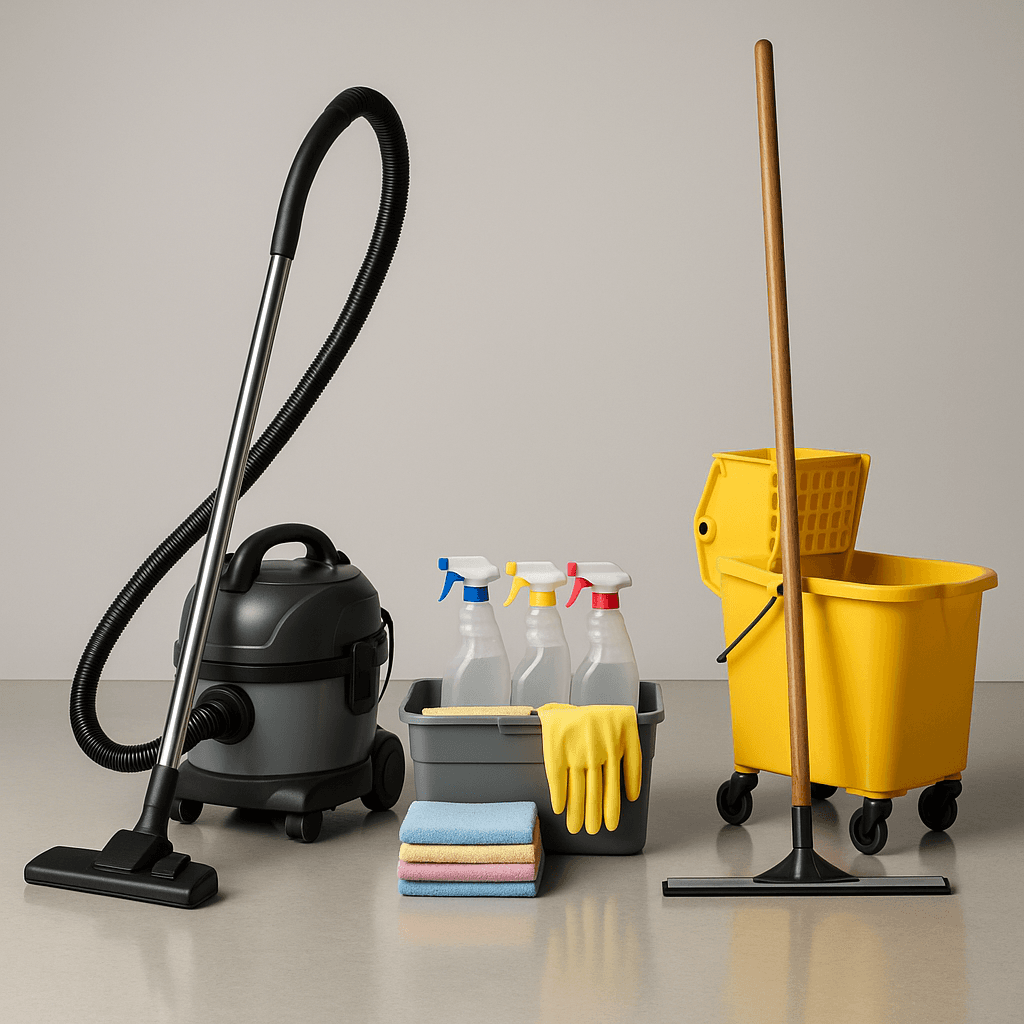
| Cleaning Equipment & Supplies | $695 | $2,780 | $11,120 | Commercial vacuums (Miele, Shark) are individual three-figure capital items. A complete starter kit of quality cleaning products is similarly low-three-figure on top. |
| Business License & Bonding | $139 | $695 | $2,780 | A janitorial surety bond is a low three-figure annual premium and is expected by most commercial clients. |
| Insurance | $600 | $1,800 | $6,000 | General liability for cleaning businesses is a low-to-mid three-figure annual cost for solo operators. A one-million-per-occurrence policy is the industry standard floor. |
| Marketing & First Clients | $278 | $2,085 | $8,340 | Nextdoor and Facebook neighborhood groups are the most effective low-cost channels for residential cleaning. |
| Vehicle (optional) | $1 | $4,170 | $20,850 | Solo cleaners can use a personal vehicle initially. A branded company van increases professionalism and advertising value. |
| Uniforms & Branding (optional) | $278 | $1,112 | $4,170 | Branded uniforms and caddies create a professional image that justifies premium pricing. Per-cleaner uniform-and-caddy cost is modest. |
| Scheduling Software (optional) | $1 | $695 | $4,170 | Jobber, HouseCall Pro, and ZenMaid are popular cleaning-business platforms billed on monthly subscriptions that scale with crew count. |
| Marketing & Client Acquisition (optional) | $278 | $1,112 | $3,475 | Word-of-mouth and referral programs are the most cost-effective growth strategies. |
| Total Startup Cost | $1,712 | $7,360 | $28,240 | Required costs only |
Licenses & Permits in New York
Licenses & Permits in New York
General Business License
New York State does not have a statewide general business license, but businesses face extensive state and local regulatory requirements. All businesses must register their entity with the New York Department of State and register with the New York State Department of Taxation and Finance for sales tax and employer taxes. New York City has its own comprehensive business licensing system through the NYC Department of Consumer and Worker Protection (DCWP), with over 55 different license types. Upstate New York municipalities have their own varying requirements.
Industry-Specific Licenses
- Food Service Establishment Permit — New York State Department of Agriculture and Markets or NYC DOHMHCost: Varies — contact agency • Renewal: Annual
- Home Improvement Contractor License (NYC) or General Contractor License (local) — NYC Department of Consumer and Worker Protection or Local Department of BuildingsCost: Varies — contact agency • Renewal: Biennial
- Appearance Enhancement Establishment License — New York State Department of State — Division of Licensing ServicesCost: Varies — contact agency • Renewal: Biennial
- Real Estate Broker License — New York State Department of State — Division of Licensing ServicesCost: Varies — contact agency • Renewal: Biennial
- Child Day Care Center License — New York Office of Children and Family ServicesCost: Varies — contact agency • Renewal: Annual
- Retail On-Premises License — New York State Liquor AuthorityCost: Varies — contact agency • Renewal: Biennial
- Adult-Use Retail Dispensary License — New York Office of Cannabis ManagementCost: Varies — contact agency • Renewal: Annual
- For-Hire Vehicle License (NYC) or Motor Carrier Permit — NYC Taxi and Limousine Commission or NYSDOTCost: Varies — contact agency • Renewal: Annual
- Money Transmitter License — New York State Department of Financial ServicesCost: Varies — contact agency • Renewal: Annual
Home-Based Business Rules
New York City severely restricts home-based businesses through its Zoning Resolution, limiting most business activities in residential zones to those clearly incidental to residential use. Upstate New York municipalities have more permissive home occupation rules. New York's cottage food law allows limited home-based food production with direct consumer sales. New York City artists, creative professionals, and consultants often operate home-based businesses under limited residential zoning provisions.
Monthly Operating Costs
After launch, plan for these ongoing monthly expenses for your Cleaning Business:
Low
$500/mo
Medium
$3,000/mo
High
$12,000/mo
Revenue Potential
Annual Revenue Range
$20,000 – $300,000 (annual)
Profit Margins
25-50%
Break-Even Timeline
1-2 months
How New York Compares to Neighboring States
New York is a higher-cost state for starting a Cleaning Business, with a cost-of-living index of 125.8 (national average is 100). Compared to neighboring Vermont ($11,990 median startup cost), New York has higher costs for a Cleaning Business.
| State | Est. Cost | LLC Fee |
|---|---|---|
| New York (current) | $15,290 | $200 |
| Vermont | $11,990 | $125 |
| Massachusetts | $16,940 | $500 |
| Connecticut | $13,090 | $120 |
| New Jersey | $13,750 | $125 |
| Pennsylvania | $10,560 | $125 |
Common Mistakes to Avoid
- 1
Undercharging — residential cleaning rates need to cover labor, supplies, and reasonable profit; pricing meaningfully below local market rates undercuts the entire business model
- 2
Not bonding the business — commercial clients and many residential clients require bonding as a condition of hire
- 3
Hiring 1099 contractors incorrectly — cleaning business workers must typically be classified as W-2 employees under IRS rules (https://www.irs.gov/businesses/small-businesses-self-employed/independent-contractor-self-employed-or-employee)
- 4
Not creating a cleaning checklist and quality control protocol — inconsistent quality destroys client retention
- 5
Competing on price instead of reliability — clients pay premium prices for cleaners who show up on schedule consistently
Next Steps to Launch Your Cleaning Business
- 1
Form your LLC in New York — cleaning businesses work inside client homes and offices; liability protection is essential (filing fee: $200). If you would rather not file the paperwork yourself, you can compare business formation services.
This is a paid link. If you sign up through it, we earn a commission at no extra cost to you.
- 2
Obtain a business license in New York and any local municipality where you provide cleaning services
- 3
Get janitorial/cleaning business insurance: general liability plus a surety bond — clients require both; premiums scale with crew count
- 4
Purchase commercial cleaning supplies in bulk: microfiber cloths, HEPA vacuums, eco-friendly cleaners, mop buckets, and caddy organizers
- 5
Create a client service agreement covering what is and is not included, cancellation terms, and liability for broken items
- 6
Set up scheduling and invoicing software — Jobber, HouseCall Pro, or ZenMaid designed for residential cleaning businesses
- 7
Brand your business with matching uniforms and vehicle signage — professionalism drives referrals in residential cleaning
- 8
List your business on Yelp, Google Business Profile, and Nextdoor — local reputation is the primary growth channel for cleaning businesses
Frequently Asked Questions
Related Businesses in New York
Landscaping Business
Home Services$10,000 – $120,000
View in New York →
Handyman Business
Home Services$2,000 – $33,000
View in New York →
Pest Control Business
Home Services$10,000 – $120,000
View in New York →
Moving Company
Home Services$30,000 – $300,000
View in New York →
Painting Business
Home Services$5,000 – $80,000
View in New York →
Start a Cleaning Business in Other States
See the national overview for Cleaning Business or browse all businesses you can start in New York.