How Much Does It Cost to Start a Clothing Boutique in Alabama?
Starting a Clothing Boutique in Alabama typically costs between $31,914 and $243,000, with a median estimate of $81,000. Alabama’s cost of living is 12% below the national average, which helps reduce operating expenses like commercial rent and labor. LLC formation in Alabama costs $200 to file. Most clothing boutique businesses take 2-5 months to launch.
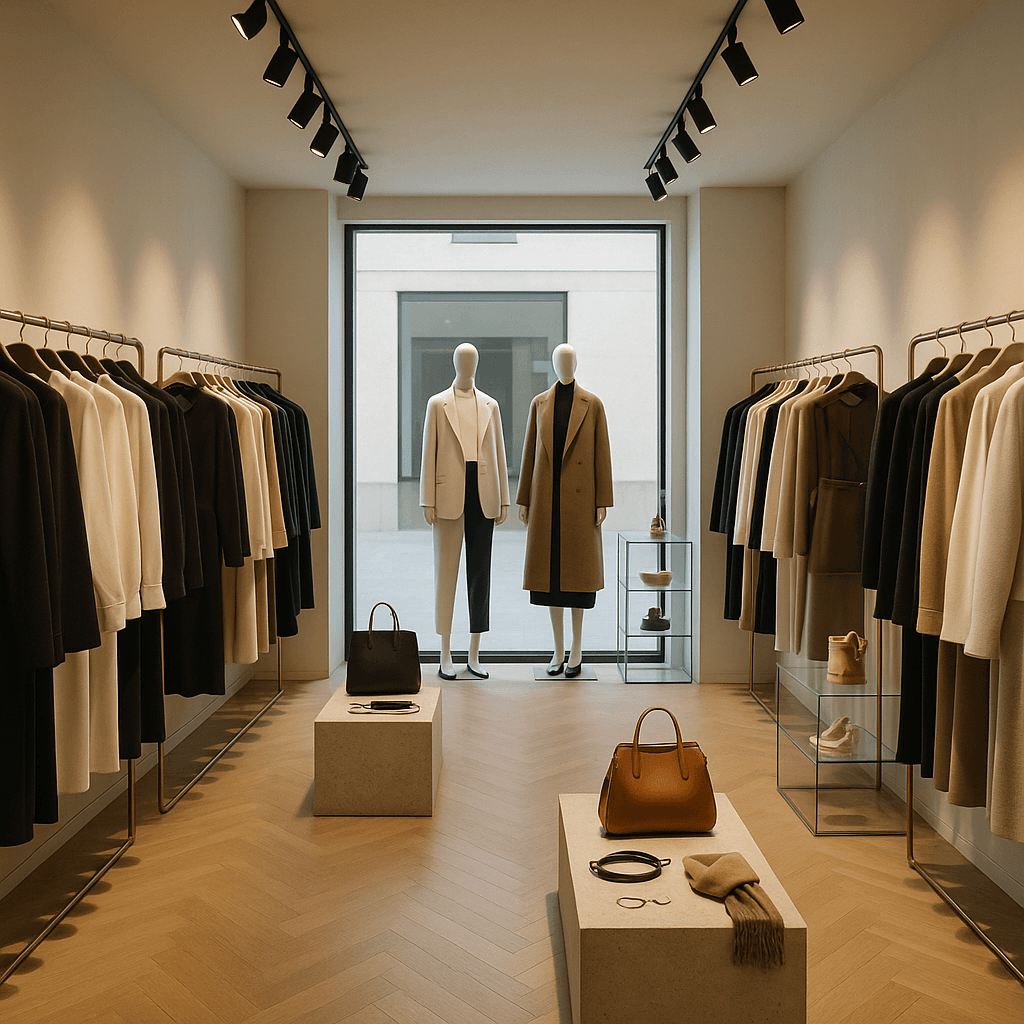
How Much Does It Cost to Start a Clothing Boutique in Alabama?
Low
$31,914
Medium
$81,000
High
$243,000
National average: $39,400 – $300,000
Interactive Startup Cost Calculator
Startup Cost Calculator
Clothing Boutique in Alabama
Options
Startup Costs
$100,440
Monthly Costs
$12,150
First Year Total
$246,240
Full Cost Breakdown
| Cost Category | Low | Medium | High | Notes |
|---|---|---|---|---|
| Retail Space Lease & Build-Out | $8,100 | $32,400 | $97,200 | High-fashion boutiques invest heavily in the store aesthetic — the space IS the brand. Premium build-out is a meaningful per-square-foot capital cost on top of base lease economics. |
| Opening Inventory | $12,150 | $32,400 | $97,200 | Wholesale minimum orders vary by brand. Budget 2x what you think you need — running out of inventory kills momentum. |
| Display Fixtures & Equipment | $2,430 | $8,100 | $24,300 | Professional retail fixtures from Madix (https://madixinc.com/) or Lozier (https://www.lozier.com/) are a per-section three-figure capital cost; mannequins are individually two-to-three-figure capital items. |
| POS & Inventory Management | $405 | $2,430 | $6,480 | Shopify, Lightspeed, and Square for Retail are popular boutique choices, billed as ongoing monthly subscriptions scaled to terminal count and feature set. |
| Business License & Permits | $81 | $405 | $1,620 | Reseller's permit allows purchasing wholesale inventory tax-free. Required in all states. |
| Insurance | $648 | $2,025 | $5,670 | Retail general liability covers customer injuries and shoplifting claims. Property insurance covers inventory theft and damage. |
| Marketing & Social Media | $1,620 | $6,480 | $20,250 | Instagram is the most powerful channel for fashion boutiques. Invest in professional product photography. |
| Working Capital Reserve | $6,480 | $16,200 | $48,600 | Clothing is seasonal — budget for slower months and the cost of buying ahead-of-season inventory. |
| Total Startup Cost | $31,914 | $100,440 | $301,320 | Required costs only |
Licenses & Permits in Alabama
Licenses & Permits in Alabama
General Business License
Alabama does not have a statewide general business license. Instead, businesses must obtain a license through the county probate office where they operate, and many cities require a separate municipal business license. Home-rule municipalities have the authority to set their own licensing requirements and fees.
Industry-Specific Licenses
- Food Service Establishment Permit — Alabama Department of Public HealthCost: Varies — contact agency • Renewal: Annual
- General Contractor License — Alabama Licensing Board for General ContractorsCost: Varies — contact agency • Renewal: Biennial
- Electrical Contractor License — Alabama Electrical Contractors BoardCost: Varies — contact agency • Renewal: Annual
- Plumbing Contractor License — Alabama Plumbers and Gas Fitters Examining BoardCost: Varies — contact agency • Renewal: Annual
- Cosmetology Establishment License — Alabama Board of Cosmetology and BarberingCost: Varies — contact agency • Renewal: Annual
- Childcare Facility License — Alabama Department of Human ResourcesCost: Varies — contact agency • Renewal: Annual
- Real Estate Broker License — Alabama Real Estate CommissionCost: Varies — contact agency • Renewal: Biennial
- Motor Carrier Operating Authority — Alabama Department of TransportationCost: Varies — contact agency • Renewal: Annual
Home-Based Business Rules
Home-based businesses in Alabama are regulated at the county and municipal level rather than by state law. Most jurisdictions allow home-based businesses that don't create excessive traffic, noise, or visible business activity. Businesses with employee visits or customer foot traffic may be prohibited in residential zones under local ordinances.
Monthly Operating Costs
After launch, plan for these ongoing monthly expenses for your Clothing Boutique:
Low
$5,000/mo
Medium
$15,000/mo
High
$40,000/mo
Revenue Potential
Annual Revenue Range
$100,000 – $800,000 (annual)
Profit Margins
5-15%
Break-Even Timeline
12-24 months
How Alabama Compares to Neighboring States
Alabama is one of the more affordable states for launching a Clothing Boutique, with a cost-of-living index of 87.9 (national average is 100). Compared to neighboring Tennessee ($92,000 median startup cost), Alabama offers lower costs for a Clothing Boutique.
| State | Est. Cost | LLC Fee |
|---|---|---|
| Alabama (current) | $81,000 | $200 |
| Tennessee | $92,000 | $300 |
| Georgia | $94,000 | $100 |
| Florida | $112,000 | $125 |
| Mississippi | $77,000 | $50 |
Common Mistakes to Avoid
- 1
Over-ordering inventory at launch — boutiques need open-to-buy discipline and should start lean
- 2
Choosing a location based on rent rather than foot traffic and customer demographics
- 3
Not building an online store from day one — e-commerce now accounts for a meaningful share of revenue at successful boutiques
- 4
Buying merchandise based on personal taste rather than customer data and sales history
- 5
Not building a loyalty program — repeat customers at boutiques spend 2-3x more than first-time buyers
Next Steps to Launch Your Clothing Boutique
- 1
Register your Clothing Boutique as an LLC with the Alabama Secretary of State ($200 filing fee). If you would rather not file the paperwork yourself, you can compare business formation services.
This is a paid link. If you sign up through it, we earn a commission at no extra cost to you.
- 2
Apply for a Alabama sales tax permit/seller's permit — required before your first retail sale
- 3
Obtain a Alabama business license and city retail establishment permit for your store location
- 4
Establish wholesale buyer accounts with fashion brands, showrooms, or attend trade shows (MAGIC, NY NOW) for inventory sourcing
- 5
Get commercial property and general liability insurance for your retail store — typically a low-to-mid four-figure annual premium
- 6
Set up your retail POS and inventory management system (Shopify POS, Square, or Lightspeed)
- 7
Plan your opening inventory: aim for 3–4 months of stock in your key styles, sizes, and price points
- 8
Create your e-commerce presence alongside your physical store — omnichannel retail drives significant incremental revenue
Frequently Asked Questions
Related Businesses in Alabama
Start a Clothing Boutique in Other States
See the national overview for Clothing Boutique or browse all businesses you can start in Alabama.