How Much Does It Cost to Start a Dance Studio in Connecticut?
Starting a Dance Studio in Connecticut typically costs between $23,800 and $297,500, with a median estimate of $95,200. Connecticut’s cost of living runs 14% above the national average, which increases commercial rent and labor costs. LLC formation in Connecticut costs $120 to file. Most dance studio businesses take 3-6 months to launch.
How Much Does It Cost to Start a Dance Studio in Connecticut?
Low
$23,800
Medium
$95,200
High
$297,500
National average: $20,000 – $250,000
Interactive Startup Cost Calculator
Startup Cost Calculator
Dance Studio in Connecticut
Options
Startup Costs
$92,125
Monthly Costs
$14,280
First Year Total
$263,485
Full Cost Breakdown
| Cost Category | Low | Medium | High | Notes |
|---|---|---|---|---|
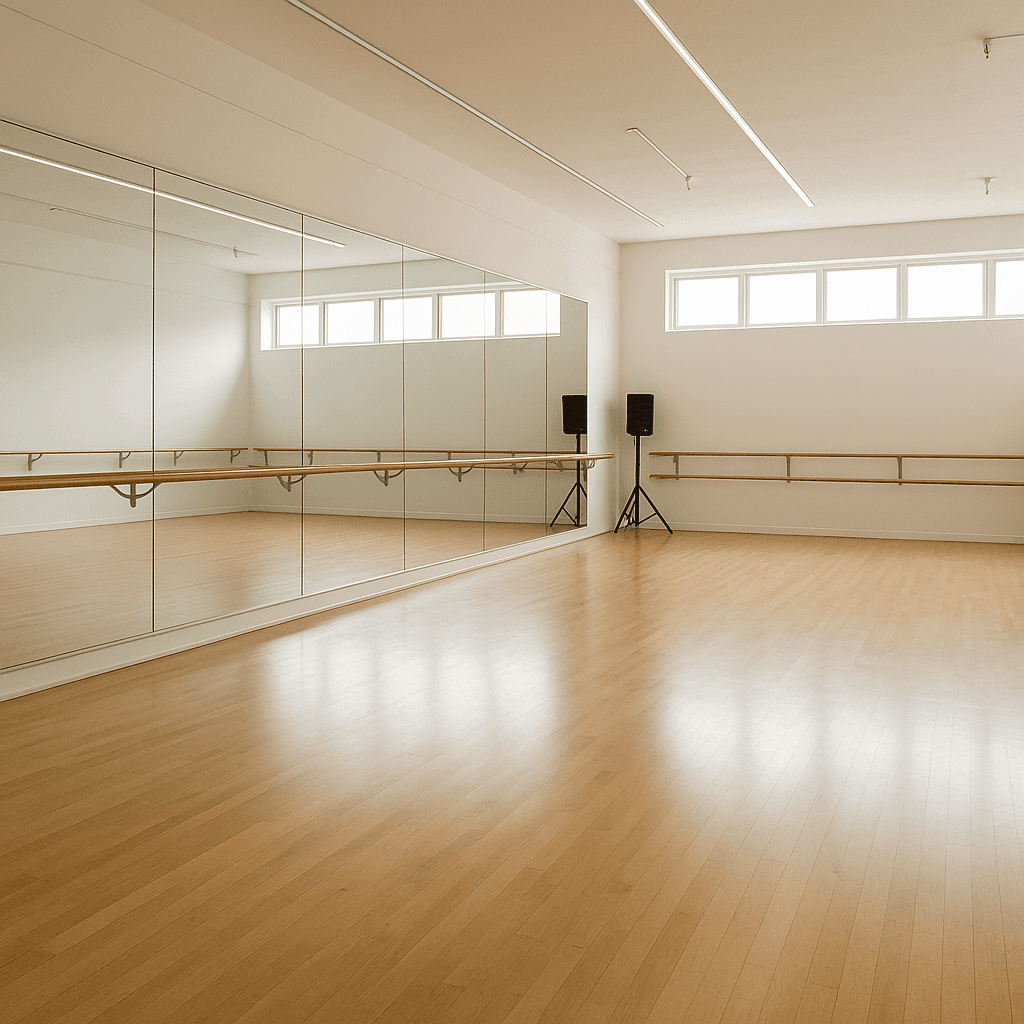
| Studio Space Lease & Build-Out | $11,900 | $47,600 | $142,800 | A sprung dance floor and mirrored walls are each priced per square foot installed; for a typical 1,500 sq ft studio they together represent the bulk of the build-out budget. |
| Dance Equipment & Barres | $1,190 | $4,760 | $14,280 | Wall-mounted barres are priced per linear foot installed. Portable barres are sold per unit at modest cost and are useful for adding capacity without committing the wall space. |
| Sound System | $1,785 | $5,950 | $17,850 | Music quality is critical in a dance studio. Invest in a real commercial sound system — consumer equipment fails under daily use. |
| Licenses & Permits | $357 | $1,785 | $4,760 | ASCAP (https://www.ascap.com/) and BMI (https://www.bmi.com/) blanket music licenses are required if playing commercially-released music in classes; annual fees scale with studio size and weekly class count. |
| Insurance | $920 | $2,875 | $8,050 | Injury liability from dance falls and sprains makes general liability critical. Premiums scale with class volume and student count. |
| Studio Management Software | $357 | $1,785 | $5,950 | Jackrabbit Dance, DanceStudio-Pro, and Studio Director are popular dance-studio platforms billed on monthly subscriptions that scale with student count. Budget for implementation time on top of the SaaS fee. |
| Marketing & Community Outreach | $595 | $3,570 | $11,900 | Summer camps and free trial classes are extremely effective for initial enrollment. Target the youngest age groups — they are the most loyal student cohorts and convert into multi-year families. |
| Working Capital Reserve | $5,950 | $17,850 | $59,500 | Dance studios ramp enrollment at the start of each semester (September, January). Plan for revenue cycles. |
| Costumes & Recital Supplies (optional) | $1,190 | $5,950 | $17,850 | Annual recitals are the most profitable events for dance studios. Costumes sold to parents are a significant revenue stream. |
| Total Startup Cost | $23,054 | $86,175 | $265,090 | Required costs only |
Licenses & Permits in Connecticut
Licenses & Permits in Connecticut
General Business License
Connecticut does not have a general statewide business license, but businesses must register with the Connecticut Secretary of State for entity formation and register with the Connecticut Department of Revenue Services to collect sales tax. Some municipalities in Connecticut require a local business license. All businesses with employees must register with the Department of Labor for unemployment insurance and withholding tax purposes.
Industry-Specific Licenses
- Food Service Establishment Permit — Connecticut Department of Public Health or Local Health DepartmentCost: Varies — contact agency • Renewal: Annual
- Home Improvement Contractor Registration — Connecticut Department of Consumer ProtectionCost: Varies — contact agency • Renewal: Biennial
- Cosmetology Establishment License — Connecticut Department of Public Health — CosmetologyCost: Varies — contact agency • Renewal: Annual
- Real Estate Broker License — Connecticut Department of Consumer Protection — Real EstateCost: Varies — contact agency • Renewal: Annual
- Child Day Care Center License — Connecticut Office of Early ChildhoodCost: Varies — contact agency • Renewal: Annual
- Liquor Permit — Connecticut Department of Consumer Protection — Liquor ControlCost: Varies — contact agency • Renewal: Annual
- Electrical Contractor License — Connecticut Department of Consumer Protection — ElectriciansCost: Varies — contact agency • Renewal: Annual
- Insurance Producer License — Connecticut Insurance DepartmentCost: Varies — contact agency • Renewal: Biennial
Home-Based Business Rules
Connecticut municipalities regulate home-based businesses through local zoning ordinances, which vary widely. Most towns allow home occupations as an accessory use in residential zones with restrictions on exterior signage, employee visits, and the proportion of the home used for business. Connecticut's dense suburban character means home business regulations are strictly enforced in many communities.
Monthly Operating Costs
After launch, plan for these ongoing monthly expenses for your Dance Studio:
Low
$4,000/mo
Medium
$12,000/mo
High
$30,000/mo
Revenue Potential
Annual Revenue Range
$60,000 – $500,000 (annual)
Profit Margins
15-30%
Break-Even Timeline
12-24 months
How Connecticut Compares to Neighboring States
Connecticut is a higher-cost state for starting a Dance Studio, with a cost-of-living index of 114 (national average is 100). Compared to neighboring New York ($111,200 median startup cost), Connecticut offers lower costs for a Dance Studio.
| State | Est. Cost | LLC Fee |
|---|---|---|
| Connecticut (current) | $95,200 | $120 |
| New York | $111,200 | $200 |
| Massachusetts | $123,200 | $500 |
| Rhode Island | $89,600 | $150 |
Common Mistakes to Avoid
- 1
Opening without music licenses — statutory copyright infringement penalties under U.S. law are substantial per work and compound across a class schedule
- 2
Starting without a sprung floor — injury liability from concrete or non-sprung floors is significant
- 3
Not planning recitals from day one — recitals are the most profitable revenue event of the year
- 4
Undercharging for classes — discounting so deeply that perceived quality drops undermines the entire enrollment funnel
- 5
Not having student retention programs — losing students at the end of each semester kills momentum
Next Steps to Launch Your Dance Studio
- 1
Form your LLC in Connecticut — dance studios teach minors and face injury liability; entity protection and liability waivers are essential (filing fee: $120). If you would rather not file the paperwork yourself, you can compare business formation services.
This is a paid link. If you sign up through it, we earn a commission at no extra cost to you.
- 2
Obtain a business license in Connecticut and confirm zoning permits a dance studio at your location (assembly occupancy requirements may apply)
- 3
Obtain liability waivers for all students (and parental consent forms for minors) — use Connecticut-compliant waiver language reviewed by an attorney
- 4
Get general liability and professional liability insurance — required for studio leases and recital venue rentals; premiums scale with student count
- 5
Verify instructor credentials: professional dance training (CDA, DTAP, or national dance organization certifications) improves credibility
- 6
Install proper flooring: sprung or Marley vinyl dance floor is essential to prevent injury and attract serious students
- 7
Set up studio management software (MINDBODY, Jackrabbit Dance, or DanceStudio-Pro) for enrollment, billing, and class scheduling
- 8
Plan your annual recital from day one — ticket sales and costume fees generate significant revenue and build community loyalty
Frequently Asked Questions
Related Businesses in Connecticut
Martial Arts Studio
Childcare & Education$20,000 – $200,000
View in Connecticut →
Yoga Studio
Health & Wellness$19,800 – $200,000
View in Connecticut →
Gym & Fitness Center
Health & Wellness$50,000 – $1,000,000
View in Connecticut →
Music School
Childcare & Education$10,000 – $150,000
View in Connecticut →
Preschool
Childcare & Education$50,000 – $400,000
View in Connecticut →
Start a Dance Studio in Other States
See the national overview for Dance Studio or browse all businesses you can start in Connecticut.