How Much Does It Cost to Start a Demolition Company in Washington?
Starting a Demolition Company in Washington typically costs between $35,400 and $236,000, with a median estimate of $94,400. Washington’s cost of living runs 13% above the national average, which increases commercial rent and labor costs. LLC formation in Washington costs $200 to file. Most demolition company businesses take 2-6 months to launch.
How Much Does It Cost to Start a Demolition Company in Washington?
Low
$35,400
Medium
$94,400
High
$236,000
National average: $30,000 – $200,000
Interactive Startup Cost Calculator
Startup Cost Calculator
Demolition Company in Washington
Options
Startup Costs
$90,270
Monthly Costs
$17,700
First Year Total
$302,670
Full Cost Breakdown
| Cost Category | Low | Medium | High | Notes |
|---|---|---|---|---|
| Contractor License & Demolition Permit | $590 | $2,360 | $7,080 | Asbestos and lead work requires specific EPA/state environmental certifications. |
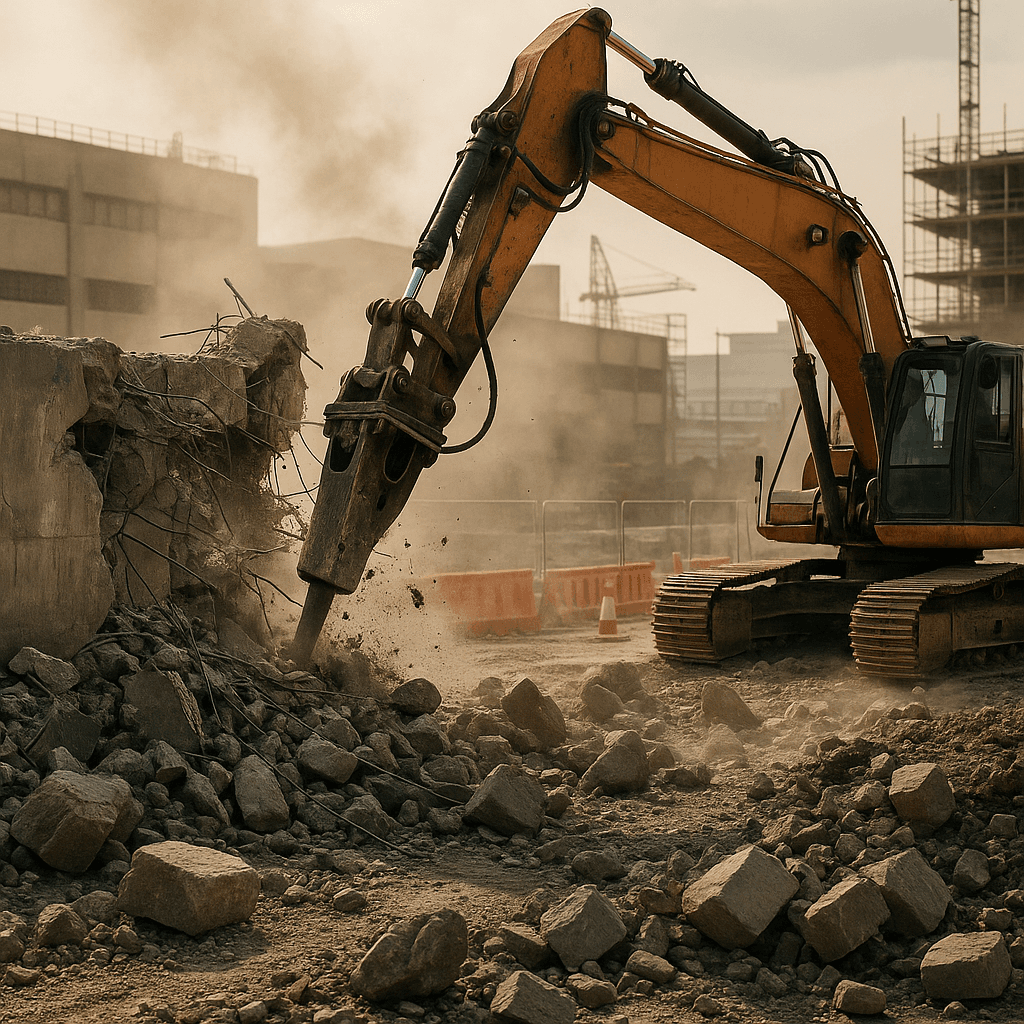
| Demolition Equipment | $11,800 | $35,400 | $94,400 | Hydraulic breaker attachments are a meaningful four-figure capital purchase and multiply productivity on concrete demo. |
| Dump Trucks & Dumpsters | $3,540 | $11,800 | $35,400 | Dumpster partnerships or owning a roll-off truck becomes essential at volume. |
| General Liability Insurance | $2,950 | $8,260 | $21,240 | Annual premium; demolition is one of the highest-risk contractor categories. |
| Safety Equipment & PPE | $590 | $1,770 | $4,720 | Asbestos work requires half-face or full-face PAPR respirators. |
| Working Capital | $9,440 | $23,600 | $59,000 | Landfill disposal tipping fees vary widely by region and material — typically a meaningful two-to-low-three-figure dollar charge per ton; budget carefully. |
| Environmental Certifications (optional) | $590 | $2,360 | $5,900 | Asbestos abatement certification is a major revenue differentiator. |
| Hazmat & Environmental Insurance (optional) | $1,770 | $4,720 | $11,800 | Required for any asbestos or lead abatement work. |
| Total Startup Cost | $28,910 | $83,190 | $221,840 | Required costs only |
Licenses & Permits in Washington
Licenses & Permits in Washington
General Business License
Washington State requires most businesses to obtain a Unified Business Identifier (UBI) through the Business Licensing Service (BLS) of the Department of Revenue. Washington has no state income tax, but does have a Business and Occupation (B&O) tax applied to gross receipts, which is unique among US states. Additionally, businesses must register for the B&O tax and any applicable retail sales tax. Many cities require a separate city business license endorsed onto the state license through a streamlined endorsement system.
Industry-Specific Licenses
- Food Service Establishment Permit — Washington State Department of Health or Local Health DepartmentCost: Varies — contact agency • Renewal: Annual
- General Contractor Registration — Washington State Department of Labor and IndustriesCost: Varies — contact agency • Renewal: Annual
- Master Cosmetician Shop License — Washington State Department of Licensing — CosmetologyCost: Varies — contact agency • Renewal: Annual
- Real Estate Broker License — Washington State Department of Licensing — Real EstateCost: Varies — contact agency • Renewal: Biennial
- Family Day Care License / Child Care Center License — Washington State Department of Children, Youth, and FamiliesCost: Varies — contact agency • Renewal: Annual
- Marijuana Retailer License — Washington State Liquor and Cannabis BoardCost: Varies — contact agency • Renewal: Annual
- Spirits/Beer/Wine Restaurant License — Washington State Liquor and Cannabis BoardCost: Varies — contact agency • Renewal: Annual
- Money Transmitter License — Washington State Department of Financial InstitutionsCost: Varies — contact agency • Renewal: Annual
Home-Based Business Rules
Washington municipalities regulate home-based businesses through local ordinances within the GMA planning framework. Seattle allows home occupations in residential zones with restrictions on customer visits, commercial delivery, and non-resident employees. Many Washington communities have updated their home occupation rules to accommodate remote workers and tech entrepreneurs. Washington's cottage food law supports home-based food production and direct consumer sales subject to a state-defined annual cap.
Monthly Operating Costs
After launch, plan for these ongoing monthly expenses for your Demolition Company:
Low
$5,000/mo
Medium
$15,000/mo
High
$40,000/mo
Revenue Potential
Annual Revenue Range
$150,000 – $2,000,000 (annual)
Profit Margins
15-30%
Break-Even Timeline
6-18 months
How Washington Compares to Neighboring States
Washington is a higher-cost state for starting a Demolition Company, with a cost-of-living index of 112.9 (national average is 100). Compared to neighboring Idaho ($76,800 median startup cost), Washington has higher costs for a Demolition Company.
Common Mistakes to Avoid
- 1
Demolishing without utility disconnects in place
- 2
Missing asbestos or lead surveys before demolition begins
- 3
Inadequate dust suppression causing neighbor complaints
- 4
No shoring plan for adjacent structure protection
- 5
Underestimating debris volume and disposal costs
Next Steps to Launch Your Demolition Company
- 1
Form your LLC or corporation in Washington — demolition contractors face major injury and environmental liability (filing fee: $200). If you would rather not file the paperwork yourself, you can compare business formation services.
This is a paid link. If you sign up through it, we earn a commission at no extra cost to you.
- 2
Obtain your Washington demolition contractor license — most states require a specialty or general contractor license for demolition work
- 3
Complete OSHA 30-Hour Construction Safety training and obtain your OSHA Competent Person designation for demolition operations
- 4
Conduct or obtain EPA asbestos surveys before demolishing older structures — required by EPA NESHAP regulations (https://www.epa.gov/asbestos/asbestos-neshap); failure risks significant fines
- 5
Get a contractor surety bond and general liability insurance — bond requirements vary by state and the GL premium is typically a meaningful four-to-low-five-figure annual cost; both are required by municipalities and general contractors
- 6
Obtain EPA RRP (Renovation, Repair and Painting) certification (https://www.epa.gov/lead/renovation-repair-and-painting-program) if working on older structures that may contain lead paint
- 7
Register with your Washington environmental agency for hazardous waste hauling if removing asbestos, lead, or contaminated materials
- 8
Establish relationships with salvage yards and recycling facilities in Washington — separating metals, concrete, and wood reduces disposal costs
Frequently Asked Questions
Related Businesses in Washington
Start a Demolition Company in Other States
See the national overview for Demolition Company or browse all businesses you can start in Washington.