How Much Does It Cost to Start an Electrical Business in South Dakota?
Starting an Electrical Business in South Dakota typically costs between $12,450 and $132,800, with a median estimate of $45,650. South Dakota’s cost of living is 8% below the national average, which helps reduce operating expenses like commercial rent and labor. LLC formation in South Dakota costs $150 to file. Most electrical business businesses take 1-4 months to launch.
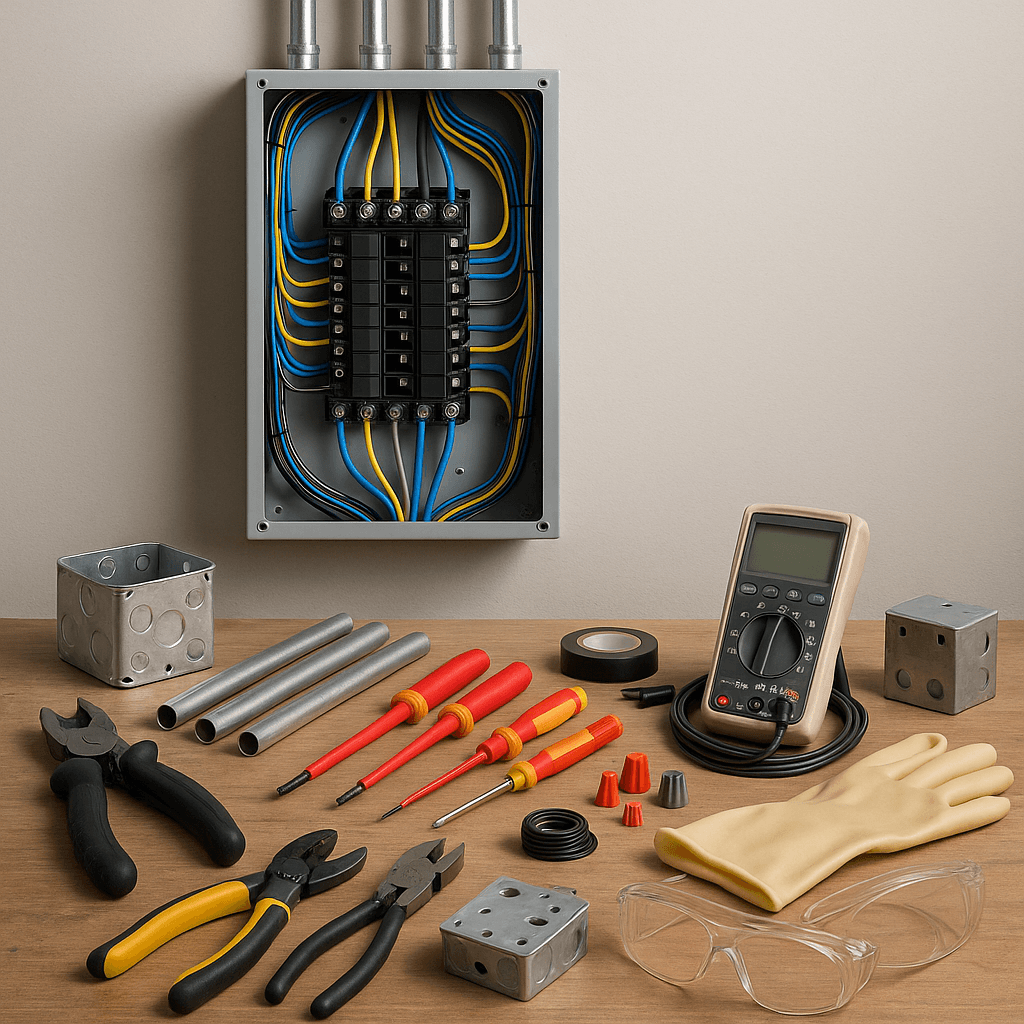
How Much Does It Cost to Start an Electrical Business in South Dakota?
Low
$12,450
Medium
$45,650
High
$132,800
National average: $15,000 – $160,000
Interactive Startup Cost Calculator
Startup Cost Calculator
Electrical Business in South Dakota
Options
Startup Costs
$37,433
Monthly Costs
$7,470
First Year Total
$127,073
Full Cost Breakdown
| Cost Category | Low | Medium | High | Notes |
|---|---|---|---|---|
| Service Vehicle | $4,150 | $14,940 | $41,500 | Electricians need a van tall enough for fiberglass ladders and extensive material storage. A quality service van is a meaningful five-figure capital purchase even when buying used. |
| Electrical Tools & Test Equipment | $1,660 | $6,640 | $20,750 | Fluke multimeters and circuit analyzers are essential safety and diagnostic tools and are individual three-figure-to-low-four-figure line items in the kit. |
| Initial Materials Inventory | $830 | $4,150 | $12,450 | Carry commonly used materials to avoid same-day supply house runs. Bill materials at cost plus a standard contractor markup. |
| Electrical Contractor License | $415 | $1,660 | $4,980 | Most states require a master electrician license (typically several years of journeyman experience plus an exam and fingerprints) to own an electrical contracting business. |
| Insurance | $1,660 | $5,810 | $16,600 | Electrical work carries significant liability — electrical fire claims can run into six figures or more. One-million-per-occurrence general liability is the standard floor required by most general contractors. |
| Field Service Software | $249 | $1,245 | $4,150 | ServiceTitan, Jobber, and FieldEdge are popular electrical contractor platforms billed on monthly subscriptions that scale with seat count. |
| Marketing & Subcontractor Relationships | $415 | $2,490 | $8,300 | GC subcontract relationships provide consistent project work without marketing spend. Build these first. |
| Apprenticeship & Continuing Education | $166 | $498 | $1,245 | Most states require continuing education for license renewal every 2-4 years. |
| Total Startup Cost | $9,545 | $37,433 | $109,975 | Required costs only |
Licenses & Permits in South Dakota
Licenses & Permits in South Dakota
General Business License
South Dakota does not have a state income tax and is known for being one of the most business-friendly states in the nation. Businesses must register their entity with the South Dakota Secretary of State and register with the South Dakota Department of Revenue for sales tax purposes. South Dakota has no general statewide business license. Some municipalities require local business licenses, but many South Dakota communities have minimal licensing requirements.
Industry-Specific Licenses
- Food Service License — South Dakota Department of Agriculture and Natural Resources — Food and DairyCost: Varies — contact agency • Renewal: Annual
- Electrical Contractor License — South Dakota State Electrical CommissionCost: Varies — contact agency • Renewal: Annual
- Cosmetology Salon License — South Dakota Cosmetology CommissionCost: Varies — contact agency • Renewal: Annual
- Real Estate Broker License — South Dakota Real Estate CommissionCost: Varies — contact agency • Renewal: Annual
- Child Care Center License — South Dakota Department of Social Services — Child Care ServicesCost: Varies — contact agency • Renewal: Annual
- Tourism Tax License — South Dakota Department of Revenue — Tourism TaxCost: Varies — contact agency • Renewal: Annual
- Commercial Pesticide Applicator Certificate — South Dakota Department of Agriculture and Natural ResourcesCost: Varies — contact agency • Renewal: Annual
- On-Sale Malt Beverage License — South Dakota Department of Revenue — Alcohol LicensesCost: Varies — contact agency • Renewal: Annual
Home-Based Business Rules
Home-based businesses in South Dakota face minimal regulation in rural and unincorporated areas. Sioux Falls and Rapid City regulate home occupations through local zoning ordinances with standard restrictions on signage and customer traffic. South Dakota's business-friendly philosophy generally supports home-based businesses. The state's cottage food law supports home-based food production and direct consumer sales subject to a state-defined annual cap.
Monthly Operating Costs
After launch, plan for these ongoing monthly expenses for your Electrical Business:
Low
$3,000/mo
Medium
$9,000/mo
High
$28,000/mo
Revenue Potential
Annual Revenue Range
$80,000 – $800,000 (annual)
Profit Margins
20-40%
Break-Even Timeline
3-9 months
How South Dakota Compares to Neighboring States
South Dakota is one of the more affordable states for launching an Electrical Business, with a cost-of-living index of 91.8 (national average is 100). Compared to neighboring North Dakota ($45,100 median startup cost), South Dakota has higher costs for an Electrical Business.
Common Mistakes to Avoid
- 1
Starting without a master electrician license — unlicensed electrical work is illegal and creates severe liability
- 2
Not building general contractor relationships from day one — GC subcontract work is the fastest growth path
- 3
Undercharging for panel upgrades — a 200A panel upgrade is a multi-hour skilled-labor job and pricing should reflect both the hours and the licensed-trade nature of the work
- 4
Not obtaining permits for permitted work — homeowners can face major issues at sale if work was unpermitted
- 5
Not tracking material costs per job — material markup is a significant profit center for electrical contractors
Next Steps to Launch Your Electrical Business
- 1
Form your LLC in South Dakota — electricians face significant liability for fire and injury from faulty wiring; entity protection is essential (filing fee: $150). If you would rather not file the paperwork yourself, you can compare business formation services.
This is a paid link. If you sign up through it, we earn a commission at no extra cost to you.
- 2
Obtain your South Dakota electrical contractor license — requires master electrician license (typically several years of journeyman experience plus state exam) in most states
- 3
Obtain a contractor surety bond at the face value required by your state and electrical contractor liability insurance; premiums scale with payroll
- 4
Complete OSHA 10 or 30-hour construction safety training — required by most general contractors before working on their job sites
- 5
Register with your local utility company as an approved electrical contractor for permit-pulling and inspection coordination
- 6
Open trade accounts with electrical supply houses (Graybar, Rexel, Wesco) in South Dakota for contractor pricing
- 7
Get registered as a South Dakota licensed contractor with the Contractor State License Board or equivalent regulatory body
- 8
Build relationships with local general contractors and property managers — subcontract work is the fastest path to steady revenue for new electrical businesses
Frequently Asked Questions
Related Businesses in South Dakota
Plumbing Business
Home Services$15,000 – $150,000
View in South Dakota →
HVAC Business
Home Services$20,000 – $200,000
View in South Dakota →
General Contracting Business
Construction & Trades$20,000 – $130,000
View in South Dakota →
Handyman Business
Home Services$2,000 – $33,000
View in South Dakota →
Roofing Company
Home Services$15,000 – $180,000
View in South Dakota →
Start an Electrical Business in Other States
See the national overview for Electrical Business or browse all businesses you can start in South Dakota.