How Much Does It Cost to Start an Electrical Business in Washington?
Starting an Electrical Business in Washington typically costs between $17,700 and $188,800, with a median estimate of $64,900. Washington’s cost of living runs 13% above the national average, which increases commercial rent and labor costs. LLC formation in Washington costs $200 to file. Most electrical business businesses take 1-4 months to launch.
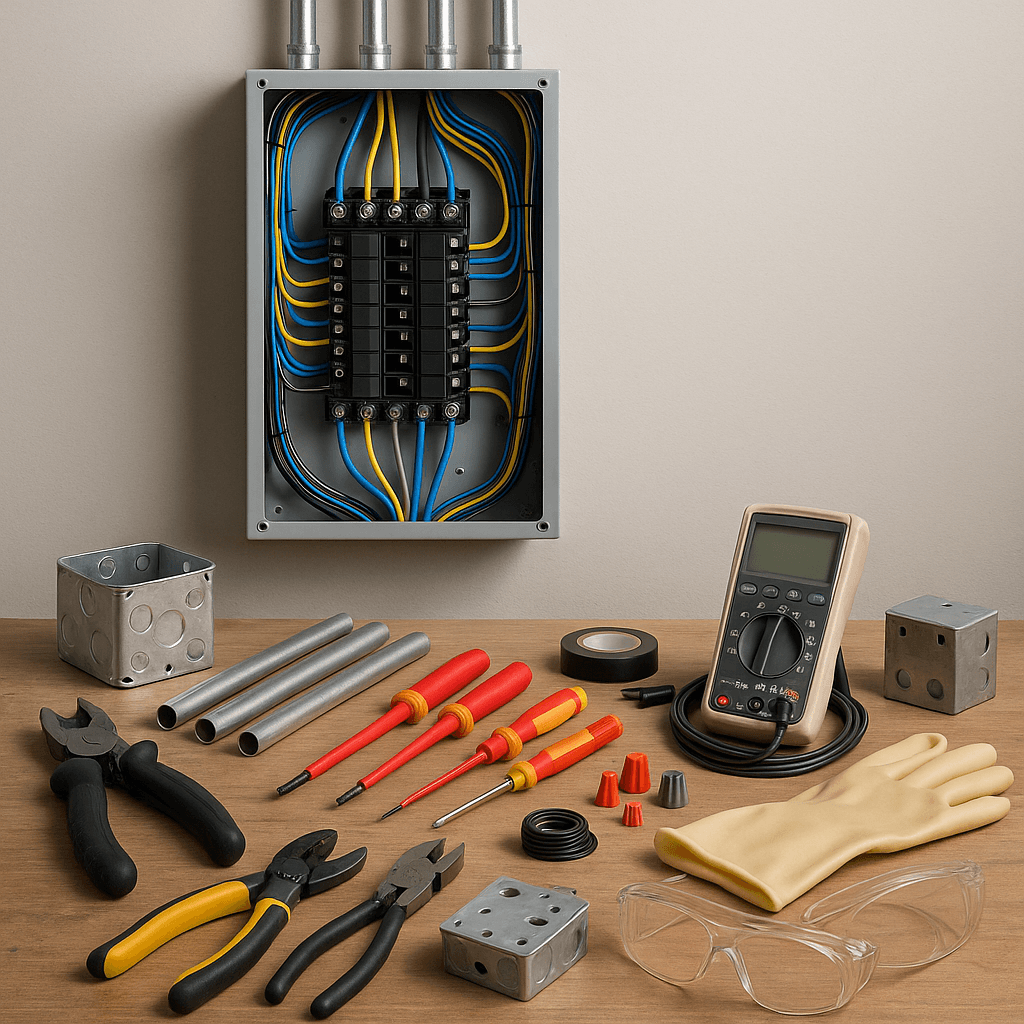
How Much Does It Cost to Start an Electrical Business in Washington?
Low
$17,700
Medium
$64,900
High
$188,800
National average: $15,000 – $160,000
Interactive Startup Cost Calculator
Startup Cost Calculator
Electrical Business in Washington
Options
Startup Costs
$53,008
Monthly Costs
$10,620
First Year Total
$180,448
Full Cost Breakdown
| Cost Category | Low | Medium | High | Notes |
|---|---|---|---|---|
| Service Vehicle | $5,900 | $21,240 | $59,000 | Electricians need a van tall enough for fiberglass ladders and extensive material storage. A quality service van is a meaningful five-figure capital purchase even when buying used. |
| Electrical Tools & Test Equipment | $2,360 | $9,440 | $29,500 | Fluke multimeters and circuit analyzers are essential safety and diagnostic tools and are individual three-figure-to-low-four-figure line items in the kit. |
| Initial Materials Inventory | $1,180 | $5,900 | $17,700 | Carry commonly used materials to avoid same-day supply house runs. Bill materials at cost plus a standard contractor markup. |
| Electrical Contractor License | $590 | $2,360 | $7,080 | Most states require a master electrician license (typically several years of journeyman experience plus an exam and fingerprints) to own an electrical contracting business. |
| Insurance | $2,300 | $8,050 | $23,000 | Electrical work carries significant liability — electrical fire claims can run into six figures or more. One-million-per-occurrence general liability is the standard floor required by most general contractors. |
| Field Service Software | $354 | $1,770 | $5,900 | ServiceTitan, Jobber, and FieldEdge are popular electrical contractor platforms billed on monthly subscriptions that scale with seat count. |
| Marketing & Subcontractor Relationships | $590 | $3,540 | $11,800 | GC subcontract relationships provide consistent project work without marketing spend. Build these first. |
| Apprenticeship & Continuing Education | $236 | $708 | $1,770 | Most states require continuing education for license renewal every 2-4 years. |
| Total Startup Cost | $13,510 | $53,008 | $155,750 | Required costs only |
Licenses & Permits in Washington
Licenses & Permits in Washington
General Business License
Washington State requires most businesses to obtain a Unified Business Identifier (UBI) through the Business Licensing Service (BLS) of the Department of Revenue. Washington has no state income tax, but does have a Business and Occupation (B&O) tax applied to gross receipts, which is unique among US states. Additionally, businesses must register for the B&O tax and any applicable retail sales tax. Many cities require a separate city business license endorsed onto the state license through a streamlined endorsement system.
Industry-Specific Licenses
- Food Service Establishment Permit — Washington State Department of Health or Local Health DepartmentCost: Varies — contact agency • Renewal: Annual
- General Contractor Registration — Washington State Department of Labor and IndustriesCost: Varies — contact agency • Renewal: Annual
- Master Cosmetician Shop License — Washington State Department of Licensing — CosmetologyCost: Varies — contact agency • Renewal: Annual
- Real Estate Broker License — Washington State Department of Licensing — Real EstateCost: Varies — contact agency • Renewal: Biennial
- Family Day Care License / Child Care Center License — Washington State Department of Children, Youth, and FamiliesCost: Varies — contact agency • Renewal: Annual
- Marijuana Retailer License — Washington State Liquor and Cannabis BoardCost: Varies — contact agency • Renewal: Annual
- Spirits/Beer/Wine Restaurant License — Washington State Liquor and Cannabis BoardCost: Varies — contact agency • Renewal: Annual
- Money Transmitter License — Washington State Department of Financial InstitutionsCost: Varies — contact agency • Renewal: Annual
Home-Based Business Rules
Washington municipalities regulate home-based businesses through local ordinances within the GMA planning framework. Seattle allows home occupations in residential zones with restrictions on customer visits, commercial delivery, and non-resident employees. Many Washington communities have updated their home occupation rules to accommodate remote workers and tech entrepreneurs. Washington's cottage food law supports home-based food production and direct consumer sales subject to a state-defined annual cap.
Monthly Operating Costs
After launch, plan for these ongoing monthly expenses for your Electrical Business:
Low
$3,000/mo
Medium
$9,000/mo
High
$28,000/mo
Revenue Potential
Annual Revenue Range
$80,000 – $800,000 (annual)
Profit Margins
20-40%
Break-Even Timeline
3-9 months
How Washington Compares to Neighboring States
Washington is a higher-cost state for starting an Electrical Business, with a cost-of-living index of 112.9 (national average is 100). Compared to neighboring Idaho ($52,800 median startup cost), Washington has higher costs for an Electrical Business.
Common Mistakes to Avoid
- 1
Starting without a master electrician license — unlicensed electrical work is illegal and creates severe liability
- 2
Not building general contractor relationships from day one — GC subcontract work is the fastest growth path
- 3
Undercharging for panel upgrades — a 200A panel upgrade is a multi-hour skilled-labor job and pricing should reflect both the hours and the licensed-trade nature of the work
- 4
Not obtaining permits for permitted work — homeowners can face major issues at sale if work was unpermitted
- 5
Not tracking material costs per job — material markup is a significant profit center for electrical contractors
Next Steps to Launch Your Electrical Business
- 1
Form your LLC in Washington — electricians face significant liability for fire and injury from faulty wiring; entity protection is essential (filing fee: $200). If you would rather not file the paperwork yourself, you can compare business formation services.
This is a paid link. If you sign up through it, we earn a commission at no extra cost to you.
- 2
Obtain your Washington electrical contractor license — requires master electrician license (typically several years of journeyman experience plus state exam) in most states
- 3
Obtain a contractor surety bond at the face value required by your state and electrical contractor liability insurance; premiums scale with payroll
- 4
Complete OSHA 10 or 30-hour construction safety training — required by most general contractors before working on their job sites
- 5
Register with your local utility company as an approved electrical contractor for permit-pulling and inspection coordination
- 6
Open trade accounts with electrical supply houses (Graybar, Rexel, Wesco) in Washington for contractor pricing
- 7
Get registered as a Washington licensed contractor with the Contractor State License Board or equivalent regulatory body
- 8
Build relationships with local general contractors and property managers — subcontract work is the fastest path to steady revenue for new electrical businesses
Frequently Asked Questions
Related Businesses in Washington
Plumbing Business
Home Services$15,000 – $150,000
View in Washington →
HVAC Business
Home Services$20,000 – $200,000
View in Washington →
General Contracting Business
Construction & Trades$20,000 – $130,000
View in Washington →
Handyman Business
Home Services$2,000 – $33,000
View in Washington →
Roofing Company
Home Services$15,000 – $180,000
View in Washington →
Start an Electrical Business in Other States
See the national overview for Electrical Business or browse all businesses you can start in Washington.