How Much Does It Cost to Start an Excavation Company in Minnesota?
Starting an Excavation Company in Minnesota typically costs between $47,000 and $329,000, with a median estimate of $122,200. Minnesota’s cost of living is 6% below the national average, which helps reduce operating expenses like commercial rent and labor. LLC formation in Minnesota costs $155 to file. Most excavation company businesses take 2-6 months to launch.
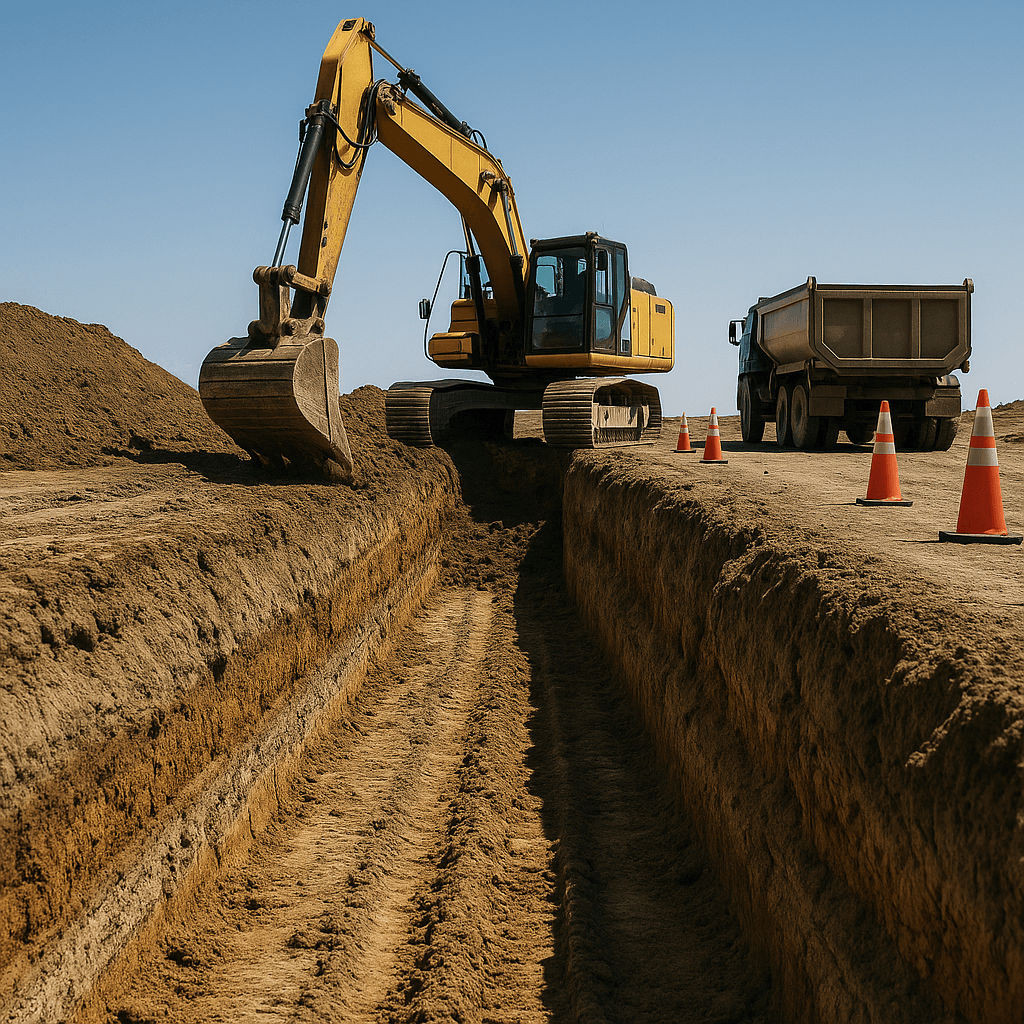
How Much Does It Cost to Start an Excavation Company in Minnesota?
Low
$47,000
Medium
$122,200
High
$329,000
National average: $50,000 – $350,000
Interactive Startup Cost Calculator
Startup Cost Calculator
Excavation Company in Minnesota
Options
Startup Costs
$159,330
Monthly Costs
$18,800
First Year Total
$384,930
Full Cost Breakdown
| Cost Category | Low | Medium | High | Notes |
|---|---|---|---|---|
| Excavation Equipment | $23,500 | $75,200 | $188,000 | A mini excavator lease is a low-to-mid four-figure monthly cost; purchasing a compact unit outright is a meaningful five-figure capital line item. |
| Dump Truck | $14,100 | $37,600 | $94,000 | Used single-axle dump trucks start at the low end of the five-figure range; tandem-axle units are well into five figures and beyond. |
| Equipment Trailer | $4,700 | $11,280 | $23,500 | 20-foot tandem trailer handles most mini excavators and skid steers. |
| Contractor License | $282 | $940 | $2,820 | CDL required for operating larger dump trucks. |
| General Liability Insurance | $1,880 | $5,640 | $14,100 | Underground utilities damage is the most common and costly claim for excavators. |
| Equipment Insurance | $1,880 | $4,700 | $11,280 | Required if equipment is financed; protects significant capital investment. |
| Utility Locate Service Subscription | $188 | $470 | $1,410 | Always call 811 before ANY digging — hitting utilities is a legal and physical hazard. |
| Working Capital | $9,400 | $23,500 | $56,400 | Equipment fuel alone can run a meaningful four-figure monthly cost during active projects. |
| Total Startup Cost | $55,930 | $159,330 | $391,510 | Required costs only |
Licenses & Permits in Minnesota
Licenses & Permits in Minnesota
General Business License
Minnesota does not have a statewide general business license. Businesses must register their entity with the Minnesota Secretary of State and register with the Minnesota Department of Revenue for sales and use tax and withholding tax purposes. Some Minnesota cities require local business licenses, though this varies by municipality. Minneapolis and Saint Paul have their own business licensing requirements. Many business types are regulated through specific licensing programs at the state level.
Industry-Specific Licenses
- Food Handler License — Minnesota Department of Agriculture or Local Health DepartmentCost: Varies — contact agency • Renewal: Annual
- Residential Building Contractor License — Minnesota Department of Labor and IndustryCost: Varies — contact agency • Renewal: Annual
- Cosmetology Salon License — Minnesota Department of Labor and Industry — Board of Cosmetologist ExaminersCost: Varies — contact agency • Renewal: Annual
- Real Estate Broker License — Minnesota Department of Commerce — Real EstateCost: Varies — contact agency • Renewal: Annual
- Child Care Center License — Minnesota Department of Human Services — Child Care LicensingCost: Varies — contact agency • Renewal: Annual
- On-Sale Intoxicating Liquor License — Minnesota Department of Public Safety — Alcohol and Gambling Enforcement or Local AuthorityCost: Varies — contact agency • Renewal: Annual
- Cannabis Retailer License — Minnesota Office of Cannabis ManagementCost: Varies — contact agency • Renewal: Annual
- Pesticide Business License — Minnesota Department of AgricultureCost: Varies — contact agency • Renewal: Annual
Home-Based Business Rules
Minnesota municipalities regulate home-based businesses through local zoning ordinances. Minneapolis allows home occupations in all residential zones with restrictions on customer visits, signage, and deliveries. Saint Paul has similar home occupation rules. Minnesota's rural areas are generally very accommodating of home-based businesses. The state's Cottage Food Law specifically supports home-based food production and direct consumer sales.
Monthly Operating Costs
After launch, plan for these ongoing monthly expenses for your Excavation Company:
Low
$8,000/mo
Medium
$20,000/mo
High
$50,000/mo
Revenue Potential
Annual Revenue Range
$200,000 – $2,000,000 (annual)
Profit Margins
15-30%
Break-Even Timeline
12-24 months
How Minnesota Compares to Neighboring States
Minnesota is one of the more affordable states for launching an Excavation Company, with a cost-of-living index of 93.6 (national average is 100). Compared to neighboring Wisconsin ($118,300 median startup cost), Minnesota has higher costs for an Excavation Company.
| State | Est. Cost | LLC Fee |
|---|---|---|
| Minnesota (current) | $122,200 | $155 |
| Wisconsin | $118,300 | $130 |
| Iowa | $107,900 | $50 |
| South Dakota | $107,900 | $150 |
| North Dakota | $106,600 | $135 |
Common Mistakes to Avoid
- 1
Hitting underground utilities from skipping 811 process
- 2
Equipment breakdown without sufficient repair reserves
- 3
Underbidding rock removal and unexpected soil conditions
- 4
No safety training for equipment operators
- 5
Financing too much equipment before establishing revenue
Next Steps to Launch Your Excavation Company
- 1
Form your LLC or corporation in Minnesota — excavation companies carry enormous liability for underground utility strikes and earth movement (filing fee: $155). If you would rather not file the paperwork yourself, you can compare business formation services.
This is a paid link. If you sign up through it, we earn a commission at no extra cost to you.
- 2
Obtain your Minnesota excavation or grading contractor license — most states require a specialty contractor license for earth-moving operations
- 3
Register with 811 (Call Before You Dig) and create a utility locate policy — calling 811 before every dig is legally required nationwide (https://call811.com/)
- 4
Obtain a contractor surety bond and general liability insurance — bond requirements vary by state and the GL premium is typically a meaningful four-to-low-five-figure annual cost; both are required by commercial clients and municipalities
- 5
Complete OSHA competent-person training for excavation and trenching (https://www.osha.gov/trenching-excavation) — required for all excavation operations over the OSHA depth threshold
- 6
Obtain heavy equipment operator certification for excavators, bulldozers, and graders used in your fleet
- 7
Register equipment with Minnesota DMV for oversize/overweight permits if transporting equipment on public roads
- 8
Build relationships with general contractors, civil engineers, and utility companies — excavation subcontracts are the primary revenue source
Frequently Asked Questions
Related Businesses in Minnesota
Start an Excavation Company in Other States
See the national overview for Excavation Company or browse all businesses you can start in Minnesota.