How Much Does It Cost to Start a Gym & Fitness Center in North Carolina?
Starting a Gym & Fitness Center in North Carolina typically costs between $48,000 and $960,000, with a median estimate of $240,000. North Carolina’s cost of living is 2% below the national average, which helps reduce operating expenses like commercial rent and labor. LLC formation in North Carolina costs $125 to file. Most gym & fitness center businesses take 3-9 months to launch.
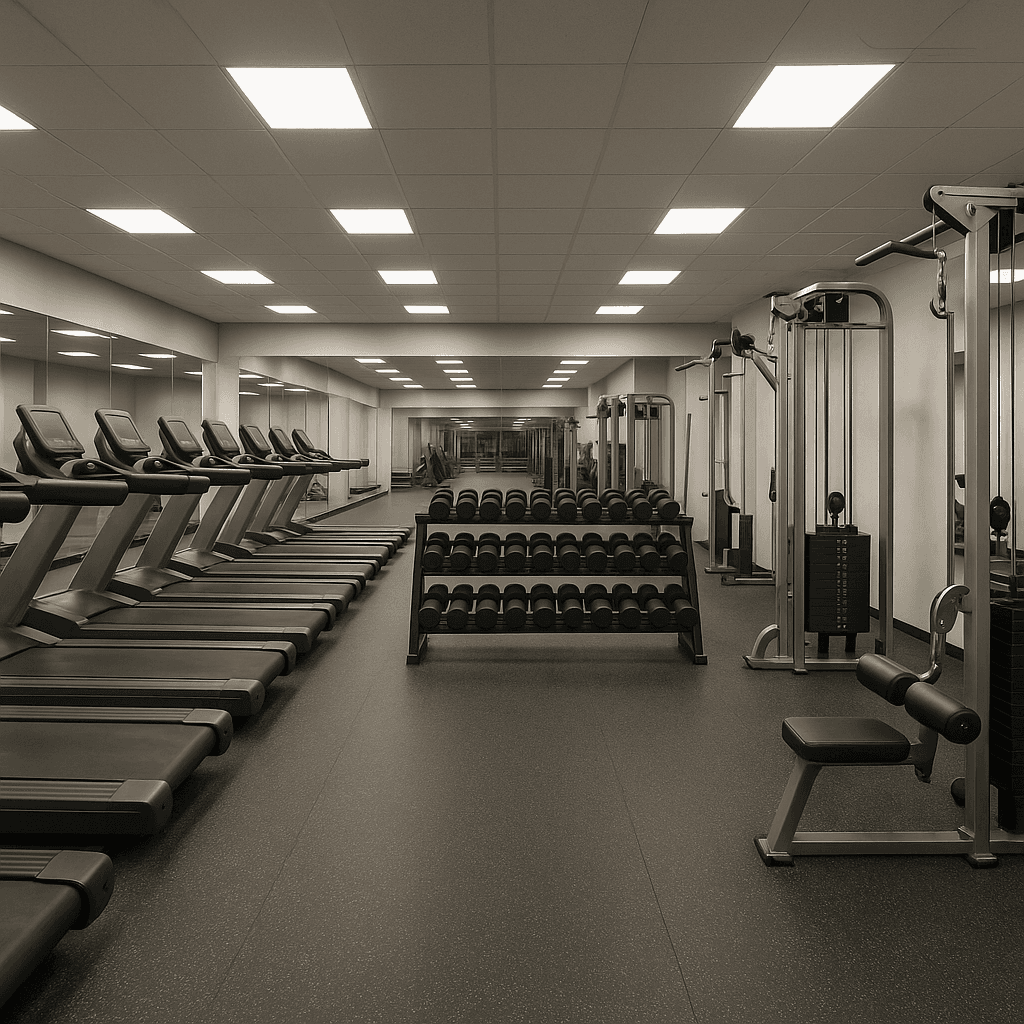
How Much Does It Cost to Start a Gym & Fitness Center in North Carolina?
Low
$48,000
Medium
$240,000
High
$960,000
National average: $50,000 – $1,000,000
Interactive Startup Cost Calculator
Startup Cost Calculator
Gym & Fitness Center in North Carolina
Options
Startup Costs
$233,280
Monthly Costs
$33,600
First Year Total
$636,480
Full Cost Breakdown
| Cost Category | Low | Medium | High | Notes |
|---|---|---|---|---|
| Fitness Equipment | $14,400 | $76,800 | $384,000 | A basic free weights and cardio setup is a meaningful five-figure capital outlay. A full commercial gym with high-end cardio equipment and machines runs into the high five to low six figures. Leasing equipment reduces upfront costs. |
| Facility Lease & Build-Out | $14,400 | $57,600 | $240,000 | Rubber flooring is priced per square foot installed. A full locker room with showers is a major build-out add. A boutique gym in a small footprint has fundamentally different costs than a 20,000 sq ft commercial facility. |
| Permits & Licenses | $960 | $3,840 | $11,520 | Many states have specific Health Club Act requirements including financial bonding and member contract regulations. Check your state's consumer protection requirements for fitness facilities. |
| Insurance | $3,840 | $11,520 | $33,600 | Gyms face significant injury liability — require members to sign waivers and carry meaningful general liability limits (one-million-per-occurrence and two-million aggregate is the standard floor). Professional liability for personal trainers adds an annual cost per certified staffer. |
| Gym Management Software | $960 | $3,840 | $11,520 | Mindbody, Glofox, and Pike13 are popular gym management platforms billed on monthly subscriptions that scale with member count. Key card or fob access systems are a meaningful four-figure-to-low-five-figure install cost. |
| Marketing & Membership Launch | $2,880 | $14,400 | $48,000 | Pre-selling memberships before opening is critical to cover fixed costs from day one. Offer charter member rates to generate pre-opening cash flow. |
| Signage & Branding | $1,920 | $7,680 | $24,000 | Gym branding and motivational graphics significantly impact member retention and social media sharing. Budget for professional interior design consultation. |
| Working Capital Reserve | $14,400 | $57,600 | $192,000 | Gyms typically need a triple-digit member base to break even on fixed costs. Reserve 6 months of operating expenses to sustain operations during the membership growth phase. |
| Total Startup Cost | $53,760 | $233,280 | $944,640 | Required costs only |
Licenses & Permits in North Carolina
Licenses & Permits in North Carolina
General Business License
North Carolina does not have a statewide general business license. Businesses must register their entity with the North Carolina Secretary of State and register with the North Carolina Department of Revenue for sales and use tax and withholding tax purposes. Many North Carolina municipalities require a local privilege license — Charlotte, Raleigh, Durham, and other cities have their own business licensing programs. North Carolina's Business Registration portal at edpnc.com helps streamline the process.
Industry-Specific Licenses
- Food Service Facility Permit — North Carolina Department of Health and Human Services — Division of Environmental HealthCost: Varies — contact agency • Renewal: Annual
- General Contractor License — North Carolina Licensing Board for General ContractorsCost: Varies — contact agency • Renewal: Annual
- Cosmetology Shop License — North Carolina State Board of Cosmetic Art ExaminersCost: Varies — contact agency • Renewal: Annual
- Real Estate Broker License — North Carolina Real Estate CommissionCost: Varies — contact agency • Renewal: Annual
- Child Care Facility License — North Carolina Division of Child Development and Early EducationCost: Varies — contact agency • Renewal: Annual
- ABC Permit — North Carolina Alcoholic Beverage Control CommissionCost: Varies — contact agency • Renewal: Annual
- Electrical Contractor License — North Carolina State Board of Examiners of Electrical ContractorsCost: Varies — contact agency • Renewal: Annual
- Medical Practice License — North Carolina Medical BoardCost: Varies — contact agency • Renewal: Annual
Home-Based Business Rules
North Carolina municipalities regulate home-based businesses through local zoning ordinances. Most North Carolina cities and counties allow home occupations in residential zones with restrictions on commercial signage, customer traffic, and non-resident employees. North Carolina's many rural counties are generally permissive of home-based businesses. The state's cottage food law supports home-based food production and direct consumer sales subject to a state-defined annual cap.
Monthly Operating Costs
After launch, plan for these ongoing monthly expenses for your Gym & Fitness Center:
Low
$10,000/mo
Medium
$35,000/mo
High
$100,000/mo
Revenue Potential
Annual Revenue Range
$10,000 – $300,000 (monthly)
Profit Margins
10%-25% net profit typical for well-run gyms
Break-Even Timeline
12-36 months
How North Carolina Compares to Neighboring States
North Carolina is close to the national average for Gym & Fitness Center startup costs, with a cost-of-living index of 97.9. Compared to neighboring Virginia ($267,500 median startup cost), North Carolina offers lower costs for a Gym & Fitness Center.
| State | Est. Cost | LLC Fee |
|---|---|---|
| North Carolina (current) | $240,000 | $125 |
| Virginia | $267,500 | $100 |
| Tennessee | $230,000 | $300 |
| Georgia | $235,000 | $100 |
| South Carolina | $225,000 | $110 |
Common Mistakes to Avoid
- 1
Underestimating equipment costs — commercial cardio machines are a meaningful four-to-low-five-figure capital purchase per unit when bought new
- 2
Not pre-selling memberships before opening to generate cash flow before fixed costs begin
- 3
Ignoring state Health Club Act requirements — many states require financial bonding and specific contract terms
- 4
Buying new equipment at retail prices instead of used commercial equipment at meaningful discount
- 5
Not securing enough space — gyms need adequate square footage per member for comfortable usage
- 6
Underpricing memberships to compete with Planet Fitness without the scale to sustain those economics
Next Steps to Launch Your Gym & Fitness Center
- 1
Register your Gym as an LLC with the North Carolina Secretary of State ($125 filing fee). If you would rather not file the paperwork yourself, you can compare business formation services.
This is a paid link. If you sign up through it, we earn a commission at no extra cost to you.
- 2
Obtain a North Carolina business license and any required health/fitness facility permit from your city or county
- 3
Ensure your facility complies with North Carolina Health Club Act requirements including required member contracts and escrow
- 4
Acquire CPR/AED certification for all trainers and install AED units per North Carolina health club safety requirements
- 5
Lease or purchase commercial fitness equipment: cardio machines, free weights, cable systems sized to your facility
- 6
Get general liability, commercial property, and professional liability (trainer) insurance; premiums scale with member count and trainer staff
- 7
Set up your gym management software (Mindbody, Glofox) for member check-ins, billing, and class scheduling
- 8
Hire and verify NASM- or ACE-certified personal trainers and complete all staff background checks before opening
Frequently Asked Questions
Related Businesses in North Carolina
Yoga Studio
Health & Wellness$19,800 – $200,000
View in North Carolina →
Personal Training Business
Health & Wellness$5,000 – $100,000
View in North Carolina →
Juice Bar & Smoothie Shop
Food & Beverage$25,000 – $250,000
View in North Carolina →
Martial Arts Studio
Childcare & Education$20,000 – $200,000
View in North Carolina →
Dance Studio
Childcare & Education$20,000 – $250,000
View in North Carolina →
Start a Gym & Fitness Center in Other States
See the national overview for Gym & Fitness Center or browse all businesses you can start in North Carolina.