How Much Does It Cost to Start a Home Health Care Agency in Hawaii?
Starting a Home Health Care Agency in Hawaii typically costs between $77,200 and $579,000, with a median estimate of $250,900. Hawaii’s cost of living runs 84% above the national average, which increases commercial rent and labor costs. LLC formation in Hawaii costs $50 to file. Most home health care agency businesses take 4-12 months to launch.
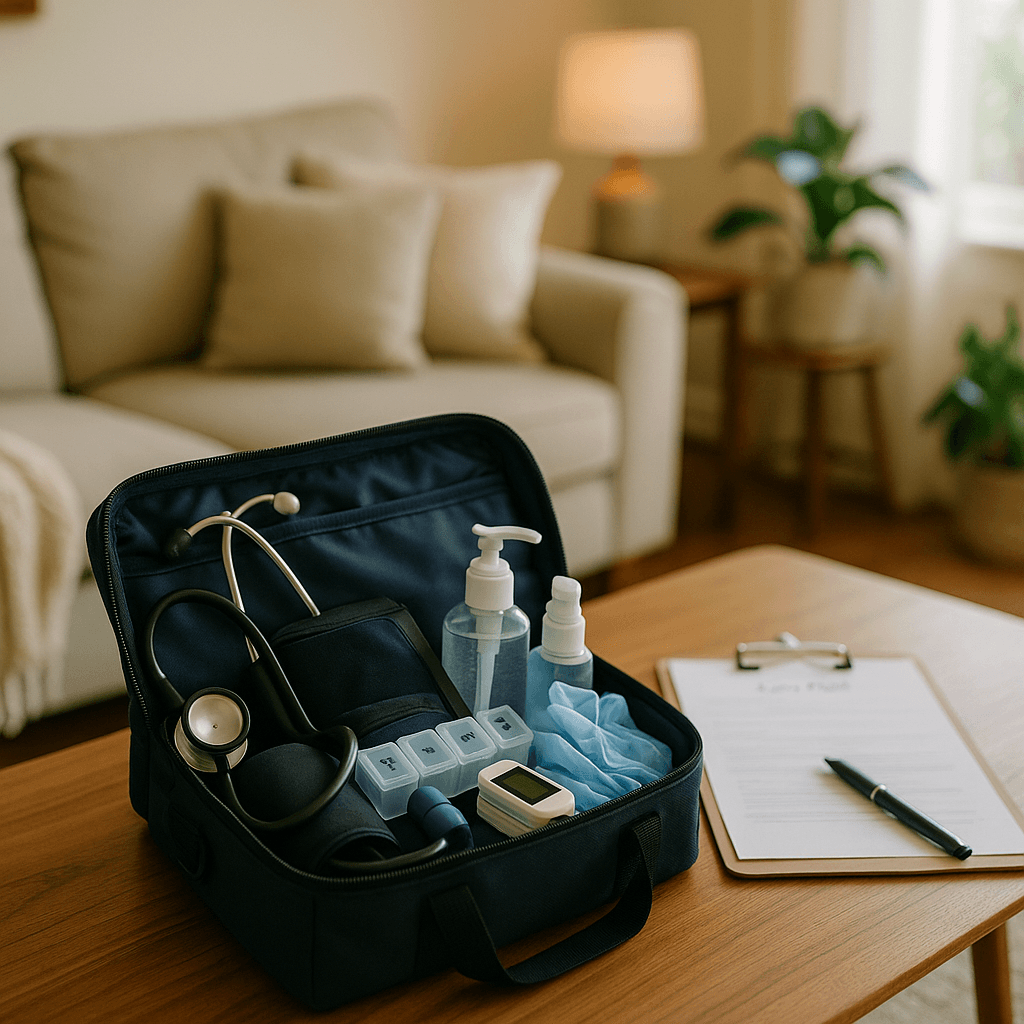
How Much Does It Cost to Start a Home Health Care Agency in Hawaii?
Low
$77,200
Medium
$250,900
High
$579,000
National average: $40,000 – $300,000
Interactive Startup Cost Calculator
Startup Cost Calculator
Home Health Care Agency in Hawaii
Options
Startup Costs
$241,880
Monthly Costs
$48,250
First Year Total
$820,880
Full Cost Breakdown
| Cost Category | Low | Medium | High | Notes |
|---|---|---|---|---|
| Office Space | $5,790 | $23,160 | $77,200 | A small home health agency can operate from a 500-1,000 sq ft office. Some states allow home-based offices initially. |
| State Licensing & Accreditation | $9,650 | $38,600 | $96,500 | Medicare certification requires a cost report survey that takes 90-180 days and typically requires meaningful four-figure-to-low-five-figure consulting fees. |
| Agency Management Software | $5,790 | $19,300 | $57,900 | EVV is federally mandated for Medicaid-funded home and community-based services under the 21st Century Cures Act (https://www.medicaid.gov/medicaid/home-community-based-services/guidance/electronic-visit-verification-evv/index.html). Kinnser, Axxess, and AlayaCare are popular platforms. |
| Insurance | $6,000 | $18,000 | $48,000 | Home health agencies face significant liability from caregiver incidents in client homes. A two-million-per-occurrence general liability limit is the recommended floor. |
| Initial Staffing & Training | $5,790 | $19,300 | $48,250 | Background checks are a low per-employee cost. Home health aide training programs are a meaningful three-to-low-four-figure per-employee investment. |
| Marketing & Referral Development | $5,790 | $19,300 | $57,900 | Hospital discharge planners and social workers are the primary referral source. In-person relationship building is essential. |
| Working Capital Reserve | $38,600 | $96,500 | $289,500 | Medicare pays in 60 days; Medicaid in 30-90 days. Cash-pay private duty clients pay faster but require marketing. |
| PPE & Medical Supplies | $1,930 | $7,720 | $23,160 | State licensing inspections require adequate PPE stock. Plan a low-to-mid three-figure monthly clinical supply replenishment budget once at scale. |
| Total Startup Cost | $79,340 | $241,880 | $698,410 | Required costs only |
Set Up Payroll
Payroll software handles tax withholding, filings and direct deposit so pay day does not turn into a spreadsheet project. If your hire signs up through this link and later runs payroll, a $100 credit may apply, though a contractor-only account does not always qualify.
set up payrollThis is a paid link. If you sign up through it, we earn a commission at no extra cost to you.
Licenses & Permits in Hawaii
Licenses & Permits in Hawaii
General Business License
Hawaii requires all businesses to obtain a General Excise Tax (GET) License from the Hawaii Department of Taxation before commencing business. This license covers the state's general excise tax, which is applied to most business activities at a state-set general excise tax rate (slightly higher in Oahu). Additionally, businesses must register with the Hawaii Department of Commerce and Consumer Affairs for entity formation. Some businesses also need a county business license from Honolulu, Maui, Hawaii, or Kauai counties.
Industry-Specific Licenses
- Food Establishment Permit — Hawaii Department of Health — Food and Drug BranchCost: Varies — contact agency • Renewal: Annual
- Contractor's License — Hawaii Contractors License BoardCost: Varies — contact agency • Renewal: Biennial
- Tour Guide Certification — Hawaii Department of Commerce and Consumer AffairsCost: Varies — contact agency • Renewal: Biennial
- Beauty Salon License — Hawaii Board of Barbering and CosmetologyCost: Varies — contact agency • Renewal: Biennial
- Real Estate Broker License — Hawaii Real Estate CommissionCost: Varies — contact agency • Renewal: Biennial
- Agricultural Business License — Hawaii Department of AgricultureCost: Varies — contact agency • Renewal: Annual
- Liquor License — County Liquor Commission (Honolulu, Maui, Hawaii, Kauai)Cost: Varies — contact agency • Renewal: Annual
- Child Care Center License — Hawaii Department of Human Services — Child Care Program OfficeCost: Varies — contact agency • Renewal: Annual
Home-Based Business Rules
Hawaii counties regulate home-based businesses through local zoning ordinances. Honolulu allows home occupations as an accessory use in residential districts with restrictions on customers, signage, and business activities that could affect neighbors. Hawaii's high cost of commercial space makes home-based businesses particularly attractive. The state's cottage food law specifically allows home-based food production and direct sales.
Monthly Operating Costs
After launch, plan for these ongoing monthly expenses for your Home Health Care Agency:
Low
$8,000/mo
Medium
$25,000/mo
High
$80,000/mo
Revenue Potential
Annual Revenue Range
$150,000 – $2,000,000 (annual)
Profit Margins
5-15%
Break-Even Timeline
12-24 months
Common Mistakes to Avoid
- 1
Underestimating Medicare/Medicaid billing complexity — hire an experienced home health biller from day one
- 2
Not understanding EVV compliance requirements — penalties for non-compliance are severe
- 3
Insufficient payroll capital — caregivers must be paid weekly even when insurers pay in 60-90 days
- 4
Not vetting caregiver staff thoroughly — one abuse or neglect incident can result in license revocation
- 5
Entering the market without building hospital and SNF discharge planner relationships first
Next Steps to Launch Your Home Health Care Agency
- 1
Obtain a Hawaii home health agency license from the Hawaii Department of Health before placing any caregivers
- 2
Register your Home Health Care Agency as an LLC with the Hawaii Secretary of State ($50 filing fee). If you would rather not file the paperwork yourself, you can compare business formation services.
This is a paid link. If you sign up through it, we earn a commission at no extra cost to you.
- 3
Complete Medicare and Medicaid certification survey if you plan to bill federal health programs
- 4
Conduct criminal background checks, TB testing, and reference verification for all caregivers per Hawaii requirements
- 5
Get professional liability, general liability, and workers compensation insurance for home health operations; premiums scale with caregiver headcount
- 6
Implement HIPAA-compliant scheduling and electronic visit verification (EVV) software — required in most states
- 7
Hire an RN clinical supervisor — most states require a licensed nurse to oversee patient care plans
- 8
Establish Hawaii-compliant caregiver training requirements: CPR/First Aid, patient transfer, infection control protocols
Frequently Asked Questions
Related Businesses in Hawaii
Medical Practice
Health & Wellness$150,000 – $1,000,000
View in Hawaii →
Physical Therapy Clinic
Health & Wellness$60,000 – $450,000
View in Hawaii →
Mental Health Practice
Health & Wellness$15,000 – $150,000
View in Hawaii →
Pharmacy
Health & Wellness$250,000 – $1,000,000
View in Hawaii →
Dental Practice
Health & Wellness$350,000 – $1,000,000
View in Hawaii →
Start a Home Health Care Agency in Other States
See the national overview for Home Health Care Agency or browse all businesses you can start in Hawaii.