How Much Does It Cost to Start an HVAC Business in Alaska?
Starting an HVAC Business in Alaska typically costs between $25,400 and $254,000, with a median estimate of $88,900. Alaska’s cost of living runs 27% above the national average, which increases commercial rent and labor costs. LLC formation in Alaska costs $250 to file. Most hvac business businesses take 2-5 months to launch.
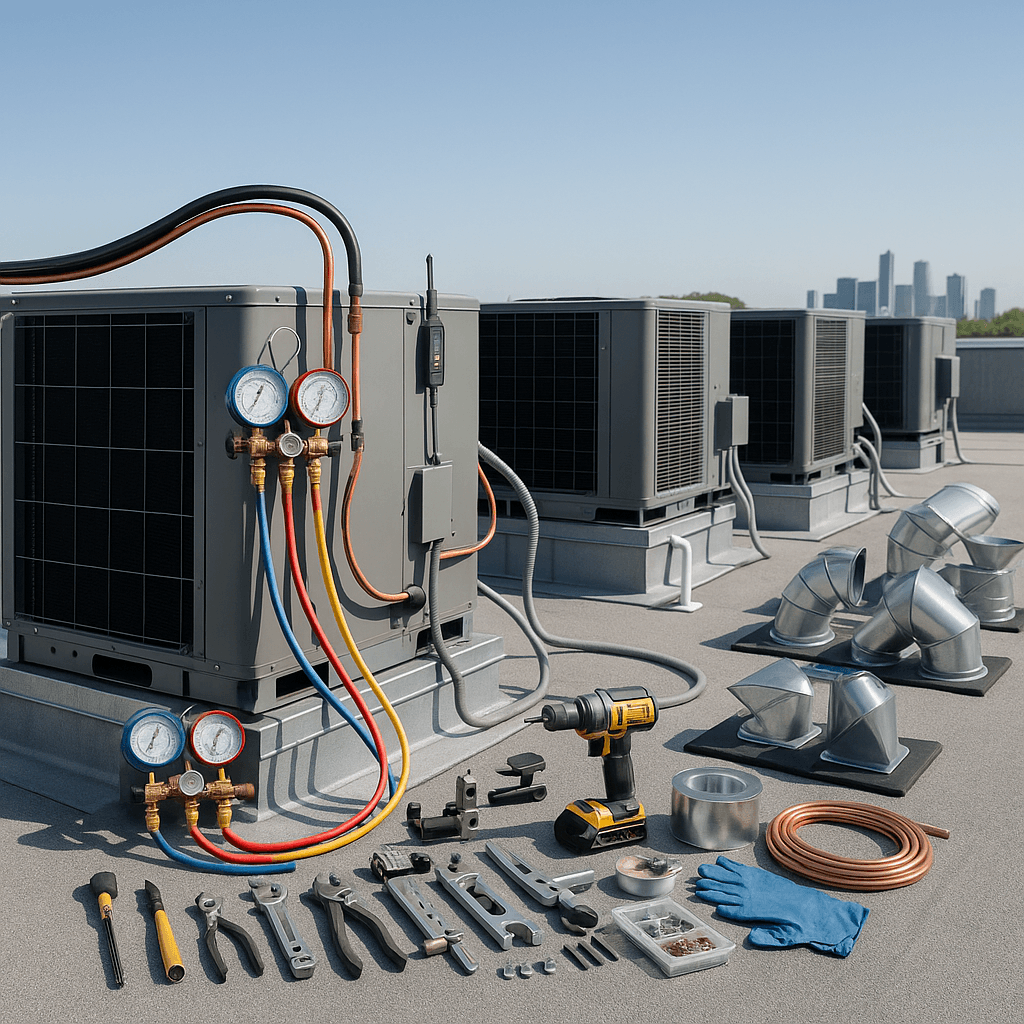
How Much Does It Cost to Start an HVAC Business in Alaska?
Low
$25,400
Medium
$88,900
High
$254,000
National average: $20,000 – $200,000
Interactive Startup Cost Calculator
Startup Cost Calculator
HVAC Business in Alaska
Options
Startup Costs
$81,171
Monthly Costs
$15,240
First Year Total
$264,051
Full Cost Breakdown
| Cost Category | Low | Medium | High | Notes |
|---|---|---|---|---|
| Service Vehicle | $10,160 | $31,750 | $76,200 | HVAC vans need dedicated refrigerant recovery equipment and unit transport capability. A properly racked-out service van is a meaningful five-figure capital purchase even when starting with a used cargo van. |
| HVAC Tools & Equipment | $6,350 | $19,050 | $50,800 | Refrigerant recovery equipment is legally required and is itself a meaningful capital purchase. Manifold gauges and vacuum pump add additional cost. Plan for a substantial four-figure tool kit out of the gate. |
| EPA 608 Certification & Licenses | $635 | $2,540 | $7,620 | EPA Section 608 certification is federally required to purchase and handle refrigerants (https://www.epa.gov/section608). State contractor licenses vary materially in fees and exam scope. |
| Insurance | $2,400 | $8,400 | $24,000 | HVAC liability covers property damage from refrigerant leaks, water damage from condensate lines, and CO incidents. Premiums scale with payroll, vehicle count, and claim history. |
| Initial Parts & Refrigerant Inventory | $2,540 | $10,160 | $31,750 | Refrigerant (R-410A, R-22, R-32) prices vary materially by SKU and current EPA phase-out status — plan a meaningful four-figure opening cylinder inventory. Carry common parts to avoid same-day supply runs. |
| Field Service Software | $381 | $1,905 | $7,620 | ServiceTitan, Wintac, and FieldEdge are popular HVAC contractor platforms billed on monthly subscriptions that scale with technician seat count. |
| Marketing & Service Agreements | $1,270 | $6,350 | $19,050 | Selling annual maintenance agreements creates predictable recurring revenue per system enrolled. Building a triple-digit agreement base in year one is a common operator goal. |
| Safety Equipment & PPE | $381 | $1,016 | $2,540 | OSHA compliance is mandatory on commercial job sites. |
| Total Startup Cost | $24,117 | $81,171 | $219,580 | Required costs only |
Licenses & Permits in Alaska
Licenses & Permits in Alaska
General Business License
Alaska requires a Business License from the Division of Corporations, Business, and Professional Licensing with a state-set fee for a two-year license. This statewide license is required for most business activities. Many industries have additional professional licensing requirements beyond the general business license.
Industry-Specific Licenses
- Food Establishment Permit — Alaska Department of Environmental Conservation — Division of Environmental HealthCost: Varies — contact agency • Renewal: Annual
- Contractor Registration — Alaska Department of Commerce, Community, and Economic DevelopmentCost: Varies — contact agency • Renewal: Biennial
- Commercial Operator Permit — Alaska Department of Natural ResourcesCost: Varies — contact agency • Renewal: Annual
- Commercial Fishing License — Alaska Department of Fish and GameCost: Varies — contact agency • Renewal: Annual
- Cosmetology Establishment License — Alaska Board of Barbers and HairdressersCost: Varies — contact agency • Renewal: Biennial
- Child Care Facility License — Alaska Department of Health — Child Care ProgramCost: Varies — contact agency • Renewal: Annual
- Liquor License — Alaska Alcoholic Beverage Control BoardCost: Varies — contact agency • Renewal: Biennial
- Motor Carrier Permit — Alaska Department of Transportation and Public FacilitiesCost: Varies — contact agency • Renewal: Annual
Home-Based Business Rules
Home-based businesses in Alaska are regulated by municipal ordinances where they exist and are generally permitted with limitations on exterior signage, employee visits, and storage of commercial equipment. Anchorage allows home occupations as an accessory use in residential zones with a home occupation permit. Remote areas outside municipal boundaries have minimal restrictions on home-based businesses.
Monthly Operating Costs
After launch, plan for these ongoing monthly expenses for your HVAC Business:
Low
$4,000/mo
Medium
$12,000/mo
High
$35,000/mo
Revenue Potential
Annual Revenue Range
$100,000 – $1,000,000 (annual)
Profit Margins
15-35%
Break-Even Timeline
6-18 months
Common Mistakes to Avoid
- 1
Working without EPA 608 certification — it is federally illegal to purchase refrigerants without certification
- 2
Not building a service agreement portfolio — annual maintenance agreements compound into a meaningful recurring-revenue book over several seasons
- 3
Undercharging for after-hours emergency calls — summer AC failures are genuine emergencies and pricing should reflect the off-hours nature of the work
- 4
Not diversifying into commercial HVAC — commercial jobs are larger, less seasonal, and often more profitable
- 5
Skipping proper refrigerant recovery — illegal venting of refrigerants results in EPA penalties that compound on a per-day-per-violation basis under the Clean Air Act
Next Steps to Launch Your HVAC Business
- 1
Form your LLC in Alaska — HVAC contractors face significant liability for refrigerant handling and equipment installations (filing fee: $250). If you would rather not file the paperwork yourself, you can compare business formation services.
This is a paid link. If you sign up through it, we earn a commission at no extra cost to you.
- 2
Obtain EPA Section 608 Universal certification — required by federal law to purchase and handle refrigerants (R-22, R-410A, R-32); take the exam through ESCO Group
- 3
Obtain your Alaska HVAC contractor license — most states require a specialty contractor license with exam, experience, and financial documentation
- 4
Get a contractor surety bond at the face value required by your state and HVAC contractor liability insurance; premiums scale with payroll and vehicle count
- 5
Complete OSHA 10-hour construction safety training — required by commercial property managers and most new construction GCs
- 6
Open trade accounts with Ferguson HVAC, Johnstone Supply, or Alaska regional HVAC distributors for equipment and parts
- 7
Register for NATE (North American Technician Excellence) certification — differentiates your technicians and is required by some manufacturer warranties
- 8
Set up service agreement software (ServiceTitan or Housecall Pro) to offer maintenance plan memberships generating recurring annual revenue
Frequently Asked Questions
Related Businesses in Alaska
Plumbing Business
Home Services$15,000 – $150,000
View in Alaska →
Electrical Business
Home Services$15,000 – $160,000
View in Alaska →
General Contracting Business
Construction & Trades$20,000 – $130,000
View in Alaska →
Handyman Business
Home Services$2,000 – $33,000
View in Alaska →
Roofing Company
Home Services$15,000 – $180,000
View in Alaska →
Start an HVAC Business in Other States
See the national overview for HVAC Business or browse all businesses you can start in Alaska.