How Much Does It Cost to Start an HVAC Business in Washington?
Starting an HVAC Business in Washington typically costs between $23,600 and $236,000, with a median estimate of $82,600. Washington’s cost of living runs 13% above the national average, which increases commercial rent and labor costs. LLC formation in Washington costs $200 to file. Most hvac business businesses take 2-5 months to launch.
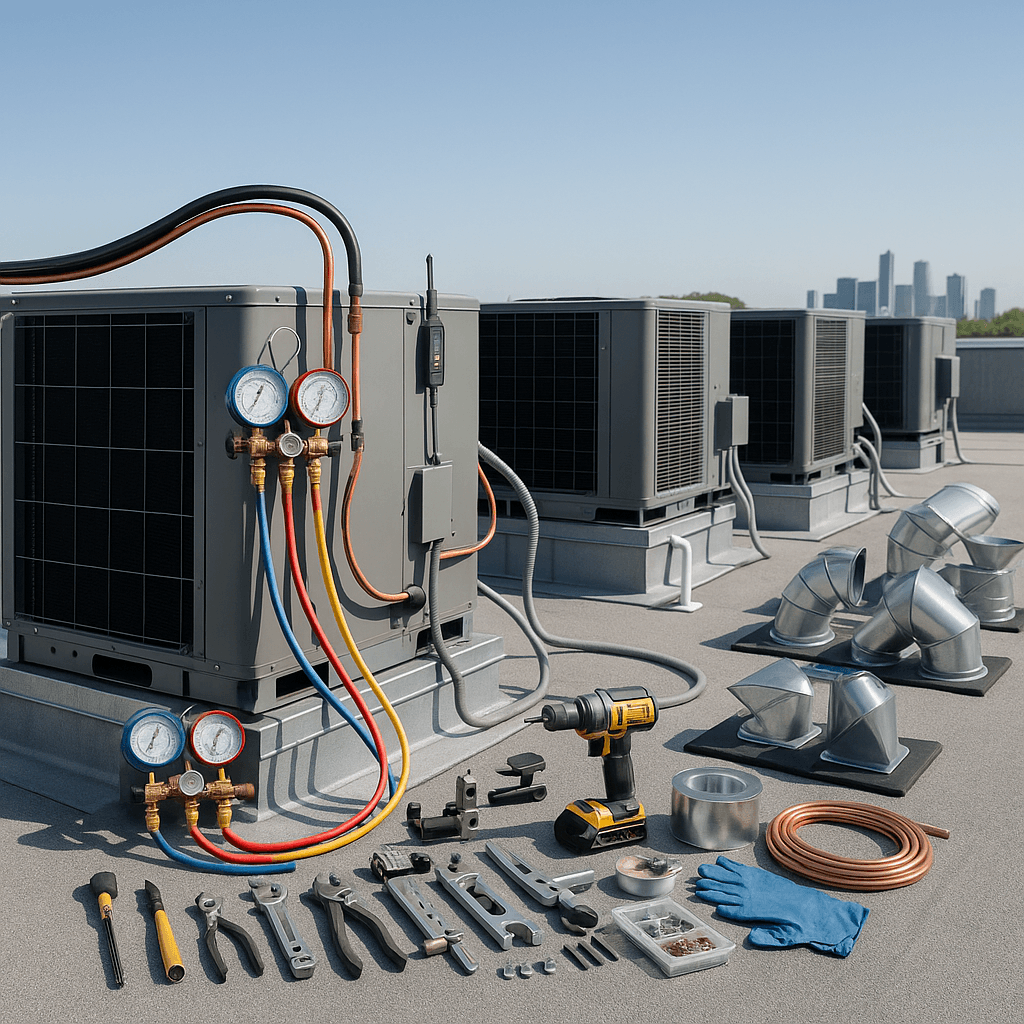
How Much Does It Cost to Start an HVAC Business in Washington?
Low
$23,600
Medium
$82,600
High
$236,000
National average: $20,000 – $200,000
Interactive Startup Cost Calculator
Startup Cost Calculator
HVAC Business in Washington
Options
Startup Costs
$75,664
Monthly Costs
$14,160
First Year Total
$245,584
Full Cost Breakdown
| Cost Category | Low | Medium | High | Notes |
|---|---|---|---|---|
| Service Vehicle | $9,440 | $29,500 | $70,800 | HVAC vans need dedicated refrigerant recovery equipment and unit transport capability. A properly racked-out service van is a meaningful five-figure capital purchase even when starting with a used cargo van. |
| HVAC Tools & Equipment | $5,900 | $17,700 | $47,200 | Refrigerant recovery equipment is legally required and is itself a meaningful capital purchase. Manifold gauges and vacuum pump add additional cost. Plan for a substantial four-figure tool kit out of the gate. |
| EPA 608 Certification & Licenses | $590 | $2,360 | $7,080 | EPA Section 608 certification is federally required to purchase and handle refrigerants (https://www.epa.gov/section608). State contractor licenses vary materially in fees and exam scope. |
| Insurance | $2,300 | $8,050 | $23,000 | HVAC liability covers property damage from refrigerant leaks, water damage from condensate lines, and CO incidents. Premiums scale with payroll, vehicle count, and claim history. |
| Initial Parts & Refrigerant Inventory | $2,360 | $9,440 | $29,500 | Refrigerant (R-410A, R-22, R-32) prices vary materially by SKU and current EPA phase-out status — plan a meaningful four-figure opening cylinder inventory. Carry common parts to avoid same-day supply runs. |
| Field Service Software | $354 | $1,770 | $7,080 | ServiceTitan, Wintac, and FieldEdge are popular HVAC contractor platforms billed on monthly subscriptions that scale with technician seat count. |
| Marketing & Service Agreements | $1,180 | $5,900 | $17,700 | Selling annual maintenance agreements creates predictable recurring revenue per system enrolled. Building a triple-digit agreement base in year one is a common operator goal. |
| Safety Equipment & PPE | $354 | $944 | $2,360 | OSHA compliance is mandatory on commercial job sites. |
| Total Startup Cost | $22,478 | $75,664 | $204,720 | Required costs only |
Licenses & Permits in Washington
Licenses & Permits in Washington
General Business License
Washington State requires most businesses to obtain a Unified Business Identifier (UBI) through the Business Licensing Service (BLS) of the Department of Revenue. Washington has no state income tax, but does have a Business and Occupation (B&O) tax applied to gross receipts, which is unique among US states. Additionally, businesses must register for the B&O tax and any applicable retail sales tax. Many cities require a separate city business license endorsed onto the state license through a streamlined endorsement system.
Industry-Specific Licenses
- Food Service Establishment Permit — Washington State Department of Health or Local Health DepartmentCost: Varies — contact agency • Renewal: Annual
- General Contractor Registration — Washington State Department of Labor and IndustriesCost: Varies — contact agency • Renewal: Annual
- Master Cosmetician Shop License — Washington State Department of Licensing — CosmetologyCost: Varies — contact agency • Renewal: Annual
- Real Estate Broker License — Washington State Department of Licensing — Real EstateCost: Varies — contact agency • Renewal: Biennial
- Family Day Care License / Child Care Center License — Washington State Department of Children, Youth, and FamiliesCost: Varies — contact agency • Renewal: Annual
- Marijuana Retailer License — Washington State Liquor and Cannabis BoardCost: Varies — contact agency • Renewal: Annual
- Spirits/Beer/Wine Restaurant License — Washington State Liquor and Cannabis BoardCost: Varies — contact agency • Renewal: Annual
- Money Transmitter License — Washington State Department of Financial InstitutionsCost: Varies — contact agency • Renewal: Annual
Home-Based Business Rules
Washington municipalities regulate home-based businesses through local ordinances within the GMA planning framework. Seattle allows home occupations in residential zones with restrictions on customer visits, commercial delivery, and non-resident employees. Many Washington communities have updated their home occupation rules to accommodate remote workers and tech entrepreneurs. Washington's cottage food law supports home-based food production and direct consumer sales subject to a state-defined annual cap.
Monthly Operating Costs
After launch, plan for these ongoing monthly expenses for your HVAC Business:
Low
$4,000/mo
Medium
$12,000/mo
High
$35,000/mo
Revenue Potential
Annual Revenue Range
$100,000 – $1,000,000 (annual)
Profit Margins
15-35%
Break-Even Timeline
6-18 months
How Washington Compares to Neighboring States
Washington is a higher-cost state for starting an HVAC Business, with a cost-of-living index of 112.9 (national average is 100). Compared to neighboring Idaho ($67,200 median startup cost), Washington has higher costs for an HVAC Business.
Common Mistakes to Avoid
- 1
Working without EPA 608 certification — it is federally illegal to purchase refrigerants without certification
- 2
Not building a service agreement portfolio — annual maintenance agreements compound into a meaningful recurring-revenue book over several seasons
- 3
Undercharging for after-hours emergency calls — summer AC failures are genuine emergencies and pricing should reflect the off-hours nature of the work
- 4
Not diversifying into commercial HVAC — commercial jobs are larger, less seasonal, and often more profitable
- 5
Skipping proper refrigerant recovery — illegal venting of refrigerants results in EPA penalties that compound on a per-day-per-violation basis under the Clean Air Act
Next Steps to Launch Your HVAC Business
- 1
Form your LLC in Washington — HVAC contractors face significant liability for refrigerant handling and equipment installations (filing fee: $200). If you would rather not file the paperwork yourself, you can compare business formation services.
This is a paid link. If you sign up through it, we earn a commission at no extra cost to you.
- 2
Obtain EPA Section 608 Universal certification — required by federal law to purchase and handle refrigerants (R-22, R-410A, R-32); take the exam through ESCO Group
- 3
Obtain your Washington HVAC contractor license — most states require a specialty contractor license with exam, experience, and financial documentation
- 4
Get a contractor surety bond at the face value required by your state and HVAC contractor liability insurance; premiums scale with payroll and vehicle count
- 5
Complete OSHA 10-hour construction safety training — required by commercial property managers and most new construction GCs
- 6
Open trade accounts with Ferguson HVAC, Johnstone Supply, or Washington regional HVAC distributors for equipment and parts
- 7
Register for NATE (North American Technician Excellence) certification — differentiates your technicians and is required by some manufacturer warranties
- 8
Set up service agreement software (ServiceTitan or Housecall Pro) to offer maintenance plan memberships generating recurring annual revenue
Frequently Asked Questions
Related Businesses in Washington
Plumbing Business
Home Services$15,000 – $150,000
View in Washington →
Electrical Business
Home Services$15,000 – $160,000
View in Washington →
General Contracting Business
Construction & Trades$20,000 – $130,000
View in Washington →
Handyman Business
Home Services$2,000 – $33,000
View in Washington →
Roofing Company
Home Services$15,000 – $180,000
View in Washington →
Start an HVAC Business in Other States
See the national overview for HVAC Business or browse all businesses you can start in Washington.