How Much Does It Cost to Start a Limousine & Car Service in Maryland?
Starting a Limousine & Car Service in Maryland typically costs between $48,400 and $266,200, with a median estimate of $108,900. Maryland’s cost of living runs 17% above the national average, which increases commercial rent and labor costs. LLC formation in Maryland costs $100 to file. Most limousine & car service businesses take 2-4 months to launch.
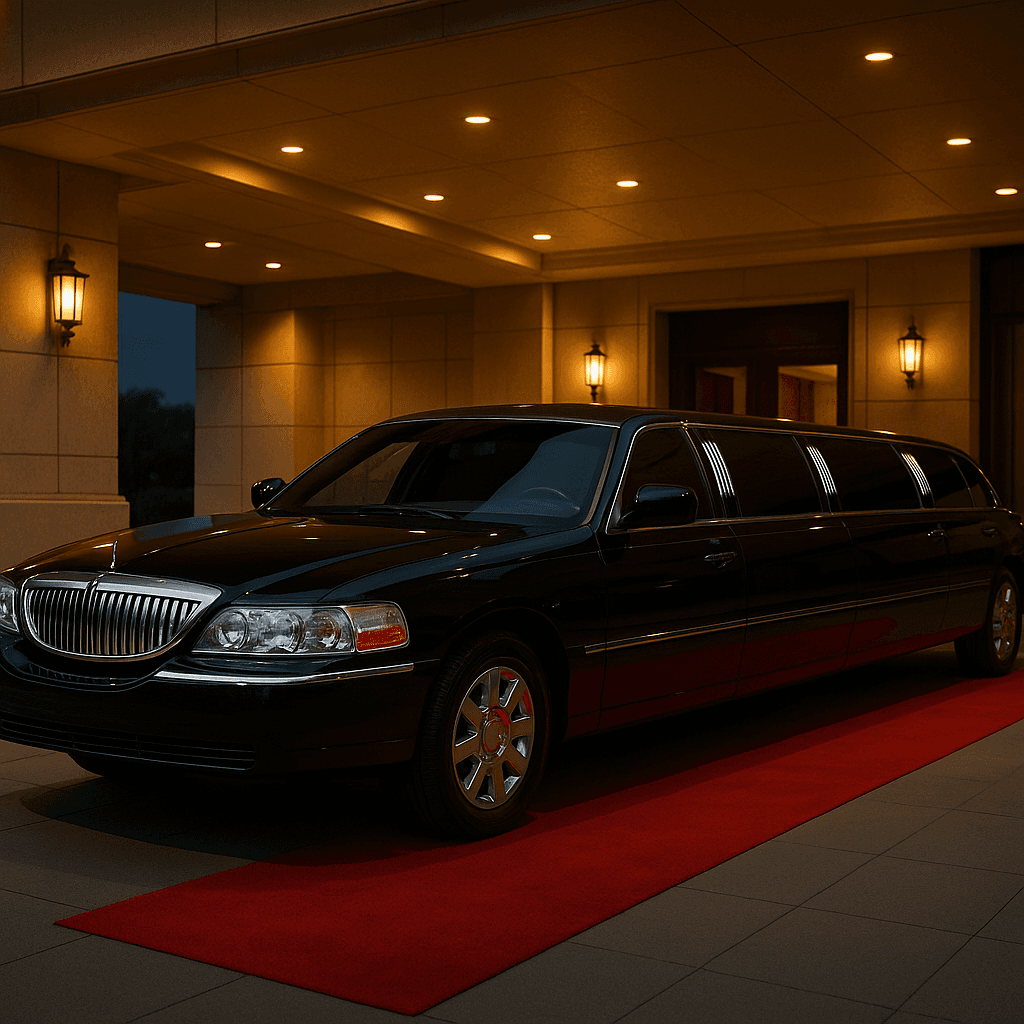
How Much Does It Cost to Start a Limousine & Car Service in Maryland?
Low
$48,400
Medium
$108,900
High
$266,200
National average: $40,000 – $220,000
Interactive Startup Cost Calculator
Startup Cost Calculator
Limousine & Car Service in Maryland
Options
Startup Costs
$112,288
Monthly Costs
$12,100
First Year Total
$257,488
Full Cost Breakdown
| Cost Category | Low | Medium | High | Notes |
|---|---|---|---|---|
| Vehicles | $24,200 | $72,600 | $181,500 | A used stretch limo is a meaningful five-figure capital purchase; a new Mercedes Sprinter van conversion runs well into five figures and beyond. |
| Commercial Vehicle License & Registration | $605 | $1,815 | $4,840 | Most cities require for-hire vehicle permits separate from vehicle registration. |
| Limousine & Black Car Insurance | $6,050 | $14,520 | $36,300 | Annual premium; for-hire passenger insurance is significantly more expensive than personal auto. |
| Chauffeur Licensing | $242 | $605 | $1,815 | Most cities require a special chauffeur license or for-hire vehicle endorsement. |
| Dispatch Software | $605 | $1,815 | $4,840 | Online booking and mobile driver apps are essential for modern car services. |
| Branding & Livery | $605 | $1,815 | $4,840 | Professional appearance is the product — invest in immaculate vehicles and presentation. |
| Working Capital | $6,050 | $18,150 | $48,400 | Corporate accounts pay net-30 — reserve covers operating costs during payment lag. |
| Airport Permits (optional) | $242 | $968 | $3,630 | Airport pickups are a significant revenue stream — permits required at most major airports. |
| Total Startup Cost | $38,357 | $111,320 | $282,535 | Required costs only |
Licenses & Permits in Maryland
Licenses & Permits in Maryland
General Business License
Maryland requires a Trader's License for most retail and wholesale businesses, issued by the Clerk of the Circuit Court in each county. Businesses must also register their entity with the Maryland Department of Assessments and Taxation (SDAT) and register with the Comptroller of Maryland for sales and use tax. Service businesses may not need a Trader's License but still need to register with SDAT. Maryland's bFile portal allows online registration for tax accounts.
Industry-Specific Licenses
- Food Service Facility Permit — Maryland Department of Health — Environmental Health Bureau or County Health DepartmentCost: Varies — contact agency • Renewal: Annual
- Home Improvement Contractor License — Maryland Home Improvement CommissionCost: Varies — contact agency • Renewal: Biennial
- Cosmetology Shop License — Maryland State Board of CosmetologistsCost: Varies — contact agency • Renewal: Biennial
- Real Estate Broker License — Maryland Real Estate CommissionCost: Varies — contact agency • Renewal: Biennial
- Child Care Center License — Maryland Office of Child CareCost: Varies — contact agency • Renewal: Annual
- Retail Alcoholic Beverage License — Maryland Alcohol and Tobacco Commission or Local BoardCost: Varies — contact agency • Renewal: Annual
- Assisted Living Facility License — Maryland Department of Health — Office of Health Care QualityCost: Varies — contact agency • Renewal: Annual
- For-Hire Transportation Permit — Maryland Public Service CommissionCost: Varies — contact agency • Renewal: Annual
Home-Based Business Rules
Maryland's counties and Baltimore City each regulate home-based businesses through their own zoning codes. Montgomery County allows home occupations with restrictions on customer visits, employees, and signage. Baltimore City allows registered home-based businesses in most residential zones. Maryland's proximity to Washington DC creates a large market for home-based consulting, government contracting, and professional service businesses.
Monthly Operating Costs
After launch, plan for these ongoing monthly expenses for your Limousine & Car Service:
Low
$4,000/mo
Medium
$10,000/mo
High
$25,000/mo
Revenue Potential
Annual Revenue Range
$80,000 – $600,000 (annual)
Profit Margins
20-40%
Break-Even Timeline
12-24 months
How Maryland Compares to Neighboring States
Maryland is a higher-cost state for starting a Limousine & Car Service, with a cost-of-living index of 117.4 (national average is 100). Compared to neighboring Virginia ($96,300 median startup cost), Maryland has higher costs for a Limousine & Car Service.
| State | Est. Cost | LLC Fee |
|---|---|---|
| Maryland (current) | $108,900 | $100 |
| Virginia | $96,300 | $100 |
| West Virginia | $69,300 | $100 |
| Pennsylvania | $86,400 | $125 |
| Delaware | $93,600 | $110 |
Common Mistakes to Avoid
- 1
Insufficient insurance for commercial passenger transport
- 2
Competing with Uber/Lyft on price instead of service quality
- 3
No corporate account sales strategy beyond event work
- 4
Vehicle breakdown during booked trips with no backup plan
- 5
Neglecting chauffeur appearance and service standards
Next Steps to Launch Your Limousine & Car Service
- 1
Form your LLC in Maryland — limousine operators face significant commercial auto and passenger injury liability (filing fee: $100). If you would rather not file the paperwork yourself, you can compare business formation services.
This is a paid link. If you sign up through it, we earn a commission at no extra cost to you.
- 2
Obtain your Maryland livery license or TCP (Transportation Charter Party) permit from the Maryland Public Utilities Commission or equivalent agency
- 3
Obtain commercial livery auto insurance with a high seven-figure aggregate liability limit — standard commercial auto policies are insufficient for passenger-carrying vehicles
- 4
Ensure all drivers obtain a Maryland chauffeur license or commercial driver endorsement if required by your state for passenger transport
- 5
Register your vehicles as commercial passenger-carrying vehicles with Maryland DMV — commercial plates and annual inspections required
- 6
Apply for dispatch permits in any municipalities (airports, casinos) where you plan to pick up passengers
- 7
Set up a limousine booking and dispatch software (LimoAnywhere or BookingKit) for reservations, driver dispatch, and billing
- 8
Build B2B relationships with event venues, hotels, wedding planners, and corporate travel coordinators in Maryland for steady booking volume
Frequently Asked Questions
Related Businesses in Maryland
Start a Limousine & Car Service in Other States
See the national overview for Limousine & Car Service or browse all businesses you can start in Maryland.