How Much Does It Cost to Start a Limousine & Car Service in Montana?
Starting a Limousine & Car Service in Montana typically costs between $38,800 and $213,400, with a median estimate of $87,300. Montana’s cost of living is 3% below the national average, which helps reduce operating expenses like commercial rent and labor. LLC formation in Montana costs $35 to file. Most limousine & car service businesses take 2-4 months to launch.
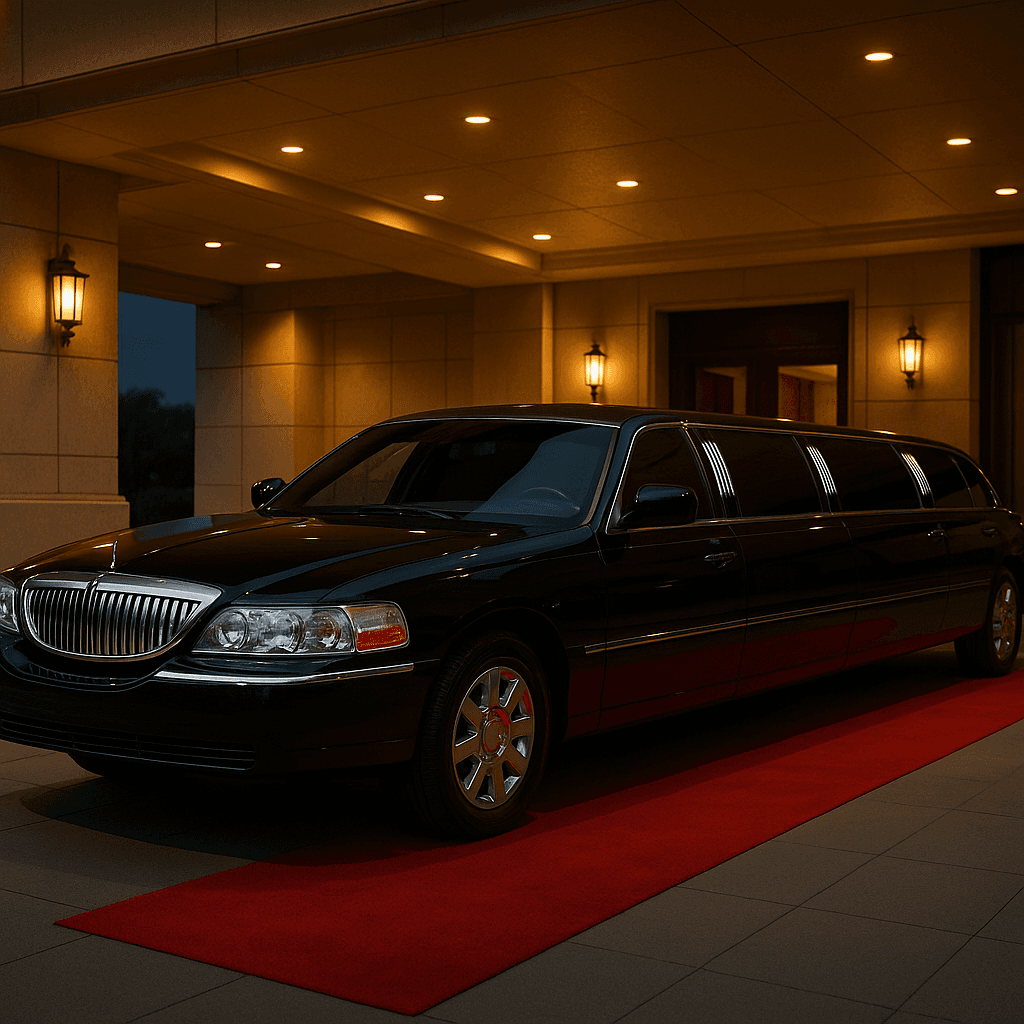
How Much Does It Cost to Start a Limousine & Car Service in Montana?
Low
$38,800
Medium
$87,300
High
$213,400
National average: $40,000 – $220,000
Interactive Startup Cost Calculator
Startup Cost Calculator
Limousine & Car Service in Montana
Options
Startup Costs
$90,016
Monthly Costs
$9,700
First Year Total
$206,416
Full Cost Breakdown
| Cost Category | Low | Medium | High | Notes |
|---|---|---|---|---|
| Vehicles | $19,400 | $58,200 | $145,500 | A used stretch limo is a meaningful five-figure capital purchase; a new Mercedes Sprinter van conversion runs well into five figures and beyond. |
| Commercial Vehicle License & Registration | $485 | $1,455 | $3,880 | Most cities require for-hire vehicle permits separate from vehicle registration. |
| Limousine & Black Car Insurance | $4,850 | $11,640 | $29,100 | Annual premium; for-hire passenger insurance is significantly more expensive than personal auto. |
| Chauffeur Licensing | $194 | $485 | $1,455 | Most cities require a special chauffeur license or for-hire vehicle endorsement. |
| Dispatch Software | $485 | $1,455 | $3,880 | Online booking and mobile driver apps are essential for modern car services. |
| Branding & Livery | $485 | $1,455 | $3,880 | Professional appearance is the product — invest in immaculate vehicles and presentation. |
| Working Capital | $4,850 | $14,550 | $38,800 | Corporate accounts pay net-30 — reserve covers operating costs during payment lag. |
| Airport Permits (optional) | $194 | $776 | $2,910 | Airport pickups are a significant revenue stream — permits required at most major airports. |
| Total Startup Cost | $30,749 | $89,240 | $226,495 | Required costs only |
Licenses & Permits in Montana
Licenses & Permits in Montana
General Business License
Montana does not have a statewide general business license. Businesses must register their entity with the Montana Secretary of State and register with the Montana Department of Revenue for withholding taxes. Montana has no sales tax, which simplifies business registration. Some Montana cities and counties require local business licenses. The state's outdoor economy and tourism industry influence many licensing requirements.
Industry-Specific Licenses
- Food and Drug Establishment License — Montana Department of Public Health and Human Services — Food and Consumer SafetyCost: Varies — contact agency • Renewal: Annual
- Contractor Registration — Montana Department of Labor and Industry — Employment Relations DivisionCost: Varies — contact agency • Renewal: Annual
- Cosmetology Salon License — Montana Board of Barbers and CosmetologistsCost: Varies — contact agency • Renewal: Annual
- Real Estate Broker License — Montana Board of Realty RegulationCost: Varies — contact agency • Renewal: Annual
- Outfitter License — Montana Board of OutfittersCost: Varies — contact agency • Renewal: Annual
- Child Care Facility License — Montana Department of Public Health and Human Services — Child Care LicensingCost: Varies — contact agency • Renewal: Annual
- Beer or Liquor License — Montana Department of Revenue — Liquor Control DivisionCost: Varies — contact agency • Renewal: Annual
- Pesticide Dealer License — Montana Department of AgricultureCost: Varies — contact agency • Renewal: Annual
Home-Based Business Rules
Home-based businesses in Montana face minimal regulation in rural and unincorporated areas, which make up most of the state's land area. Bozeman, Missoula, Billings, and Great Falls regulate home occupations through local zoning ordinances with standard restrictions on signage and customer traffic. Montana's cottage food law supports home-based food production. Remote home-based businesses are common in Montana's scattered rural communities.
Monthly Operating Costs
After launch, plan for these ongoing monthly expenses for your Limousine & Car Service:
Low
$4,000/mo
Medium
$10,000/mo
High
$25,000/mo
Revenue Potential
Annual Revenue Range
$80,000 – $600,000 (annual)
Profit Margins
20-40%
Break-Even Timeline
12-24 months
How Montana Compares to Neighboring States
Montana is close to the national average for Limousine & Car Service startup costs, with a cost-of-living index of 96.8. Compared to neighboring North Dakota ($73,800 median startup cost), Montana has higher costs for a Limousine & Car Service.
| State | Est. Cost | LLC Fee |
|---|---|---|
| Montana (current) | $87,300 | $35 |
| North Dakota | $73,800 | $135 |
| South Dakota | $74,700 | $150 |
| Wyoming | $75,600 | $100 |
| Idaho | $86,400 | $100 |
Common Mistakes to Avoid
- 1
Insufficient insurance for commercial passenger transport
- 2
Competing with Uber/Lyft on price instead of service quality
- 3
No corporate account sales strategy beyond event work
- 4
Vehicle breakdown during booked trips with no backup plan
- 5
Neglecting chauffeur appearance and service standards
Next Steps to Launch Your Limousine & Car Service
- 1
Form your LLC in Montana — limousine operators face significant commercial auto and passenger injury liability (filing fee: $35). If you would rather not file the paperwork yourself, you can compare business formation services.
This is a paid link. If you sign up through it, we earn a commission at no extra cost to you.
- 2
Obtain your Montana livery license or TCP (Transportation Charter Party) permit from the Montana Public Utilities Commission or equivalent agency
- 3
Obtain commercial livery auto insurance with a high seven-figure aggregate liability limit — standard commercial auto policies are insufficient for passenger-carrying vehicles
- 4
Ensure all drivers obtain a Montana chauffeur license or commercial driver endorsement if required by your state for passenger transport
- 5
Register your vehicles as commercial passenger-carrying vehicles with Montana DMV — commercial plates and annual inspections required
- 6
Apply for dispatch permits in any municipalities (airports, casinos) where you plan to pick up passengers
- 7
Set up a limousine booking and dispatch software (LimoAnywhere or BookingKit) for reservations, driver dispatch, and billing
- 8
Build B2B relationships with event venues, hotels, wedding planners, and corporate travel coordinators in Montana for steady booking volume
Frequently Asked Questions
Related Businesses in Montana
Start a Limousine & Car Service in Other States
See the national overview for Limousine & Car Service or browse all businesses you can start in Montana.