How Much Does It Cost to Start a Liquor Store in Tennessee?
Starting a Liquor Store in Tennessee typically costs between $65,320 and $460,000, with a median estimate of $165,600. Tennessee’s cost of living is 8% below the national average, which helps reduce operating expenses like commercial rent and labor. LLC formation in Tennessee costs $300 to file. Most liquor store businesses take 3-12 months to launch.
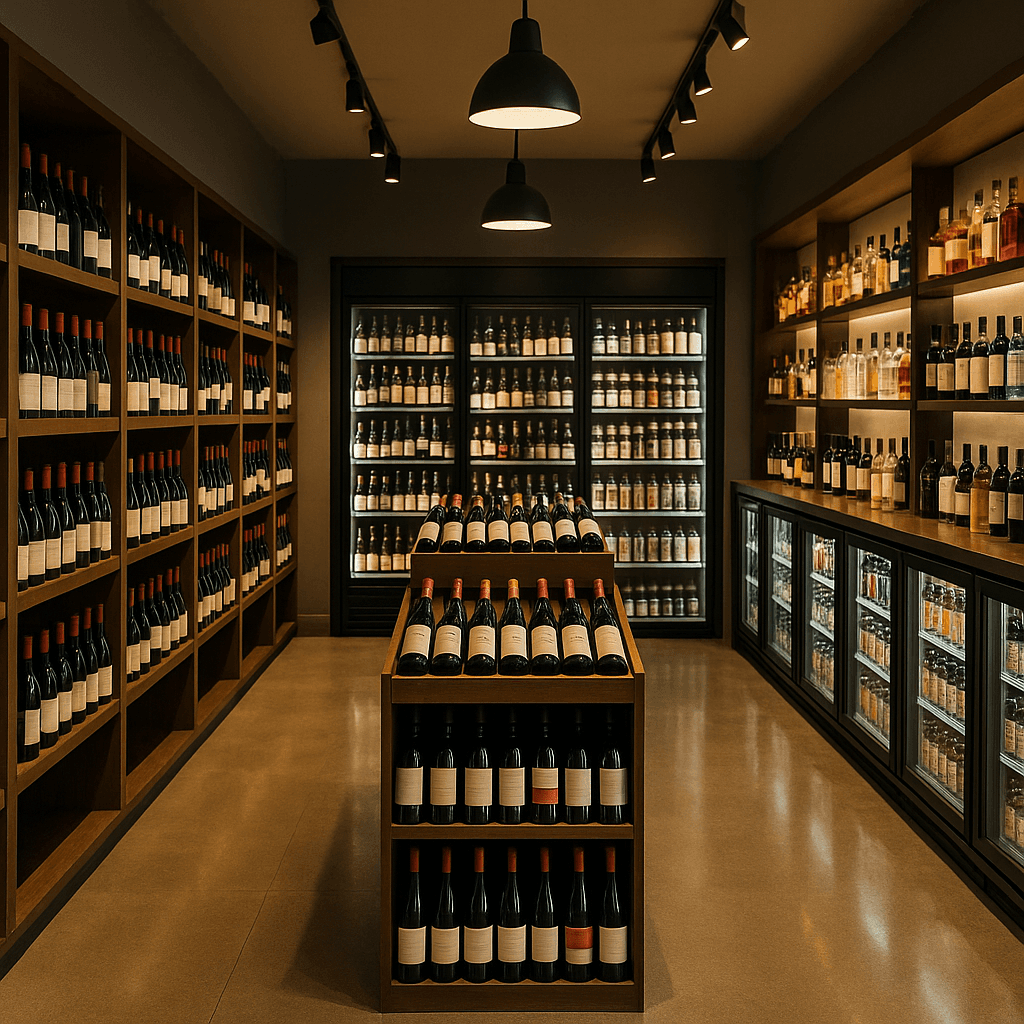
How Much Does It Cost to Start a Liquor Store in Tennessee?
Low
$65,320
Medium
$165,600
High
$460,000
National average: $71,000 – $500,000
Interactive Startup Cost Calculator
Startup Cost Calculator
Liquor Store in Tennessee
Options
Startup Costs
$201,480
Monthly Costs
$23,000
First Year Total
$477,480
Full Cost Breakdown
| Cost Category | Low | Medium | High | Notes |
|---|---|---|---|---|
| Liquor License | $4,600 | $36,800 | $276,000 | Liquor license costs vary enormously. New licenses in non-quota states are typically a low-to-mid four-figure cost. In quota states (NJ, CT), buying an existing license on the secondary market can run into the high five figures or low six figures. |
| Retail Space Lease & Build-Out | $13,800 | $46,000 | $138,000 | Refrigeration for craft beer is a major investment. A walk-in cooler for beer and wine is a meaningful five-figure capital purchase installed. |
| Opening Inventory | $27,600 | $64,400 | $184,000 | Stock 3-4 months of projected sales. Prioritize the small share of SKUs that drive the majority of revenue. |
| Shelving & Display Equipment | $4,600 | $13,800 | $36,800 | Professional gondola shelving for a 2,000 sq ft store is a substantial four-to-low-five-figure investment. Wine display racks are individual three-figure line items. |
| POS & Age Verification System | $920 | $4,600 | $13,800 | Many states require electronic age verification documentation. ID scanning systems are individual three-figure line items per station. |
| Insurance | $2,760 | $7,360 | $23,000 | Liquor liability insurance is legally required for retail liquor stores in most states. Premiums scale with revenue and neighborhood. |
| Security System | $1,840 | $5,520 | $13,800 | Liquor stores have above-average robbery and shoplifting rates. Comprehensive camera coverage is essential. |
| Working Capital Reserve | $9,200 | $23,000 | $64,400 | Liquor stores generate predictable weekly cash flow. Reserve primarily needed for licensing delays and initial ramp-up. |
| Total Startup Cost | $65,320 | $201,480 | $749,800 | Required costs only |
Licenses & Permits in Tennessee
Licenses & Permits in Tennessee
General Business License
Tennessee requires most businesses to obtain a Standard Business License or Minimal Activity License through the Tennessee Department of Revenue. A Standard Business License is required for businesses with annual gross receipts over a state-defined annual revenue threshold while a Minimal Activity License covers businesses with receipts in a smaller state-defined revenue band. Businesses must also register their entity with the Tennessee Secretary of State. Tennessee has no state income tax on wages, which is a significant business advantage. Individual cities and counties also issue local business licenses.
Industry-Specific Licenses
- Food Service Establishment Permit — Tennessee Department of Health — Division of Environmental HealthCost: Varies — contact agency • Renewal: Annual
- Contractor License — Tennessee Board for Licensing ContractorsCost: Varies — contact agency • Renewal: Annual
- Cosmetology Salon License — Tennessee Board of Cosmetology and Barber ExaminersCost: Varies — contact agency • Renewal: Annual
- Real Estate Broker License — Tennessee Real Estate CommissionCost: Varies — contact agency • Renewal: Annual
- Child Care Agency License — Tennessee Department of Human Services — Child Care ServicesCost: Varies — contact agency • Renewal: Annual
- Wine and Beer License — Tennessee Alcoholic Beverage CommissionCost: Varies — contact agency • Renewal: Annual
- Talent Agency License — Tennessee Department of Commerce and InsuranceCost: Varies — contact agency • Renewal: Annual
- Medical Practice License — Tennessee Board of Medical ExaminersCost: Varies — contact agency • Renewal: Annual
Home-Based Business Rules
Tennessee municipalities regulate home-based businesses through local zoning ordinances. Nashville-Davidson County allows home occupations in residential zones with restrictions on customer visits, commercial signage, and non-resident employees. Tennessee's many rural communities are generally very accommodating of home-based businesses. Tennessee's cottage food law, with its comparatively high annual sales cap, is particularly supportive of home-based food businesses.
Monthly Operating Costs
After launch, plan for these ongoing monthly expenses for your Liquor Store:
Low
$8,000/mo
Medium
$25,000/mo
High
$70,000/mo
Revenue Potential
Annual Revenue Range
$300,000 – $2,500,000 (annual)
Profit Margins
5-12%
Break-Even Timeline
12-30 months
How Tennessee Compares to Neighboring States
Tennessee is one of the more affordable states for launching a Liquor Store, with a cost-of-living index of 92.1 (national average is 100). Compared to neighboring Virginia ($192,600 median startup cost), Tennessee offers lower costs for a Liquor Store.
| State | Est. Cost | LLC Fee |
|---|---|---|
| Tennessee (current) | $165,600 | $300 |
| Virginia | $192,600 | $100 |
| North Carolina | $172,800 | $125 |
| Georgia | $169,200 | $100 |
| Alabama | $145,800 | $200 |
| Mississippi | $138,600 | $50 |
| Arkansas | $145,800 | $45 |
| Missouri | $149,400 | $50 |
| Kentucky | $151,200 | $40 |
Common Mistakes to Avoid
- 1
Not researching your state's liquor license structure before investing — quota states can make licenses unaffordable
- 2
Opening in a location already well-served by other liquor stores without a differentiating strategy
- 3
Not implementing strict ID compliance — one underage sale can result in license suspension
- 4
Underestimating inventory investment — craft beer and premium spirits have high initial stocking costs
- 5
Ignoring the wine segment — wine customers spend more per visit and come back more frequently
Next Steps to Launch Your Liquor Store
- 1
Form your LLC in Tennessee — liquor stores face significant liability from dram shop laws; entity protection is essential (filing fee: $300). If you would rather not file the paperwork yourself, you can compare business formation services.
This is a paid link. If you sign up through it, we earn a commission at no extra cost to you.
- 2
Apply for your Tennessee retail liquor license — processing takes 3-12 months and the fee structure varies materially by state and license type
- 3
Contact Tennessee Alcohol Control Board to understand local quota restrictions — some municipalities limit the number of liquor licenses issued
- 4
Set up an electronic age verification system for ID scanning — reduces liability and ensures compliance with Tennessee sale-to-minor laws
- 5
Establish accounts with licensed wholesale distributors authorized in Tennessee — you must purchase from licensed in-state wholesalers
- 6
Obtain dram shop / liquor liability insurance — required by most landlords and protects against third-party injury claims; premiums scale with revenue
- 7
Install a POS system with inventory tracking — Lightspeed, Square for Retail, or IT Retail designed for liquor stores with case-break tracking
- 8
Research Tennessee price posting and minimum markup laws — many states regulate minimum resale prices for alcohol
Frequently Asked Questions
Related Businesses in Tennessee
Convenience Store
Retail$50,000 – $750,000
View in Tennessee →
Bar & Nightclub
Food & Beverage$100,000 – $850,000
View in Tennessee →
Brewery / Microbrewery
Food & Beverage$250,000 – $1,500,000
View in Tennessee →
Winery
Food & Beverage$500,000 – $3,000,000
View in Tennessee →
Gift Shop
Retail$20,000 – $200,000
View in Tennessee →
Start a Liquor Store in Other States
See the national overview for Liquor Store or browse all businesses you can start in Tennessee.