How Much Does It Cost to Start a Liquor Store in Utah?
Starting a Liquor Store in Utah typically costs between $71,000 and $500,000, with a median estimate of $180,000. Utah’s cost of living is 1% below the national average, which helps reduce operating expenses like commercial rent and labor. LLC formation in Utah costs $54 to file. Most liquor store businesses take 3-12 months to launch.
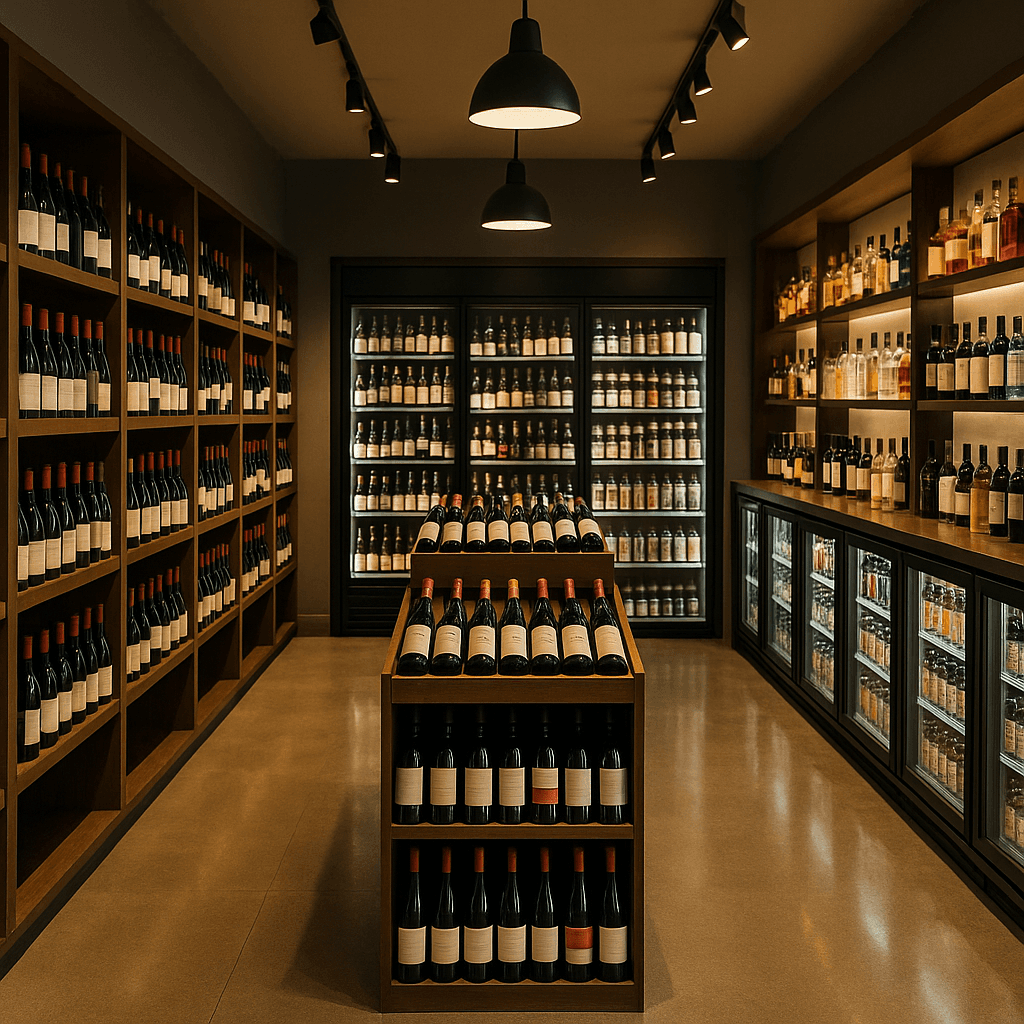
How Much Does It Cost to Start a Liquor Store in Utah?
Low
$71,000
Medium
$180,000
High
$500,000
National average: $71,000 – $500,000
Interactive Startup Cost Calculator
Startup Cost Calculator
Liquor Store in Utah
Options
Startup Costs
$219,000
Monthly Costs
$25,000
First Year Total
$519,000
Full Cost Breakdown
| Cost Category | Low | Medium | High | Notes |
|---|---|---|---|---|
| Liquor License | $5,000 | $40,000 | $300,000 | Liquor license costs vary enormously. New licenses in non-quota states are typically a low-to-mid four-figure cost. In quota states (NJ, CT), buying an existing license on the secondary market can run into the high five figures or low six figures. |
| Retail Space Lease & Build-Out | $15,000 | $50,000 | $150,000 | Refrigeration for craft beer is a major investment. A walk-in cooler for beer and wine is a meaningful five-figure capital purchase installed. |
| Opening Inventory | $30,000 | $70,000 | $200,000 | Stock 3-4 months of projected sales. Prioritize the small share of SKUs that drive the majority of revenue. |
| Shelving & Display Equipment | $5,000 | $15,000 | $40,000 | Professional gondola shelving for a 2,000 sq ft store is a substantial four-to-low-five-figure investment. Wine display racks are individual three-figure line items. |
| POS & Age Verification System | $1,000 | $5,000 | $15,000 | Many states require electronic age verification documentation. ID scanning systems are individual three-figure line items per station. |
| Insurance | $3,000 | $8,000 | $25,000 | Liquor liability insurance is legally required for retail liquor stores in most states. Premiums scale with revenue and neighborhood. |
| Security System | $2,000 | $6,000 | $15,000 | Liquor stores have above-average robbery and shoplifting rates. Comprehensive camera coverage is essential. |
| Working Capital Reserve | $10,000 | $25,000 | $70,000 | Liquor stores generate predictable weekly cash flow. Reserve primarily needed for licensing delays and initial ramp-up. |
| Total Startup Cost | $71,000 | $219,000 | $815,000 | Required costs only |
Licenses & Permits in Utah
Licenses & Permits in Utah
General Business License
Utah does not have a statewide general business license. Businesses must register their entity with the Utah Division of Corporations and Commercial Code and register with the Utah State Tax Commission for sales and use tax purposes. Many Utah cities require local business licenses — Salt Lake City, Provo, Ogden, and other municipalities have their own licensing requirements. Utah's One Stop Business Registration system at business.utah.gov helps streamline the process.
Industry-Specific Licenses
- Food Service Sanitation License — Utah Department of Agriculture and Food or Local Health DepartmentCost: Varies — contact agency • Renewal: Annual
- General Building Contractor License — Utah Division of Occupational and Professional Licensing — ContractorCost: Varies — contact agency • Renewal: Biennial
- Cosmetology/Barber Salon Registration — Utah Division of Occupational and Professional LicensingCost: Varies — contact agency • Renewal: Annual
- Real Estate Broker License — Utah Division of Real EstateCost: Varies — contact agency • Renewal: Annual
- Child Care Facility License — Utah Office of Child CareCost: Varies — contact agency • Renewal: Annual
- Outfitter and Guide License — Utah Division of Wildlife ResourcesCost: Varies — contact agency • Renewal: Annual
- Restaurant License — Utah Department of Alcoholic Beverage ServicesCost: Varies — contact agency • Renewal: Annual
- Money Services Business License — Utah Department of Financial InstitutionsCost: Varies — contact agency • Renewal: Annual
Home-Based Business Rules
Utah municipalities regulate home-based businesses through local zoning ordinances. Salt Lake City allows home occupations in residential zones with standard restrictions on customer visits, commercial signage, and non-resident employees. Utah's many growing communities have updated their home occupation rules to accommodate remote workers and entrepreneurs. Utah's cottage food law supports home-based food production and direct consumer sales subject to a state-defined annual cap.
Monthly Operating Costs
After launch, plan for these ongoing monthly expenses for your Liquor Store:
Low
$8,000/mo
Medium
$25,000/mo
High
$70,000/mo
Revenue Potential
Annual Revenue Range
$300,000 – $2,500,000 (annual)
Profit Margins
5-12%
Break-Even Timeline
12-30 months
How Utah Compares to Neighboring States
Utah is close to the national average for Liquor Store startup costs, with a cost-of-living index of 99.5. Compared to neighboring Idaho ($172,800 median startup cost), Utah has higher costs for a Liquor Store.
Common Mistakes to Avoid
- 1
Not researching your state's liquor license structure before investing — quota states can make licenses unaffordable
- 2
Opening in a location already well-served by other liquor stores without a differentiating strategy
- 3
Not implementing strict ID compliance — one underage sale can result in license suspension
- 4
Underestimating inventory investment — craft beer and premium spirits have high initial stocking costs
- 5
Ignoring the wine segment — wine customers spend more per visit and come back more frequently
Next Steps to Launch Your Liquor Store
- 1
Form your LLC in Utah — liquor stores face significant liability from dram shop laws; entity protection is essential (filing fee: $54). If you would rather not file the paperwork yourself, you can compare business formation services.
This is a paid link. If you sign up through it, we earn a commission at no extra cost to you.
- 2
Apply for your Utah retail liquor license — processing takes 3-12 months and the fee structure varies materially by state and license type
- 3
Contact Utah Alcohol Control Board to understand local quota restrictions — some municipalities limit the number of liquor licenses issued
- 4
Set up an electronic age verification system for ID scanning — reduces liability and ensures compliance with Utah sale-to-minor laws
- 5
Establish accounts with licensed wholesale distributors authorized in Utah — you must purchase from licensed in-state wholesalers
- 6
Obtain dram shop / liquor liability insurance — required by most landlords and protects against third-party injury claims; premiums scale with revenue
- 7
Install a POS system with inventory tracking — Lightspeed, Square for Retail, or IT Retail designed for liquor stores with case-break tracking
- 8
Research Utah price posting and minimum markup laws — many states regulate minimum resale prices for alcohol
Frequently Asked Questions
Related Businesses in Utah
Start a Liquor Store in Other States
See the national overview for Liquor Store or browse all businesses you can start in Utah.