How Much Does It Cost to Start a Pharmacy in Washington?
Starting a Pharmacy in Washington typically costs between $295,000 and $1,180,000, with a median estimate of $472,000. Washington’s cost of living runs 13% above the national average, which increases commercial rent and labor costs. LLC formation in Washington costs $200 to file. Most pharmacy businesses take 6-12 months to launch.
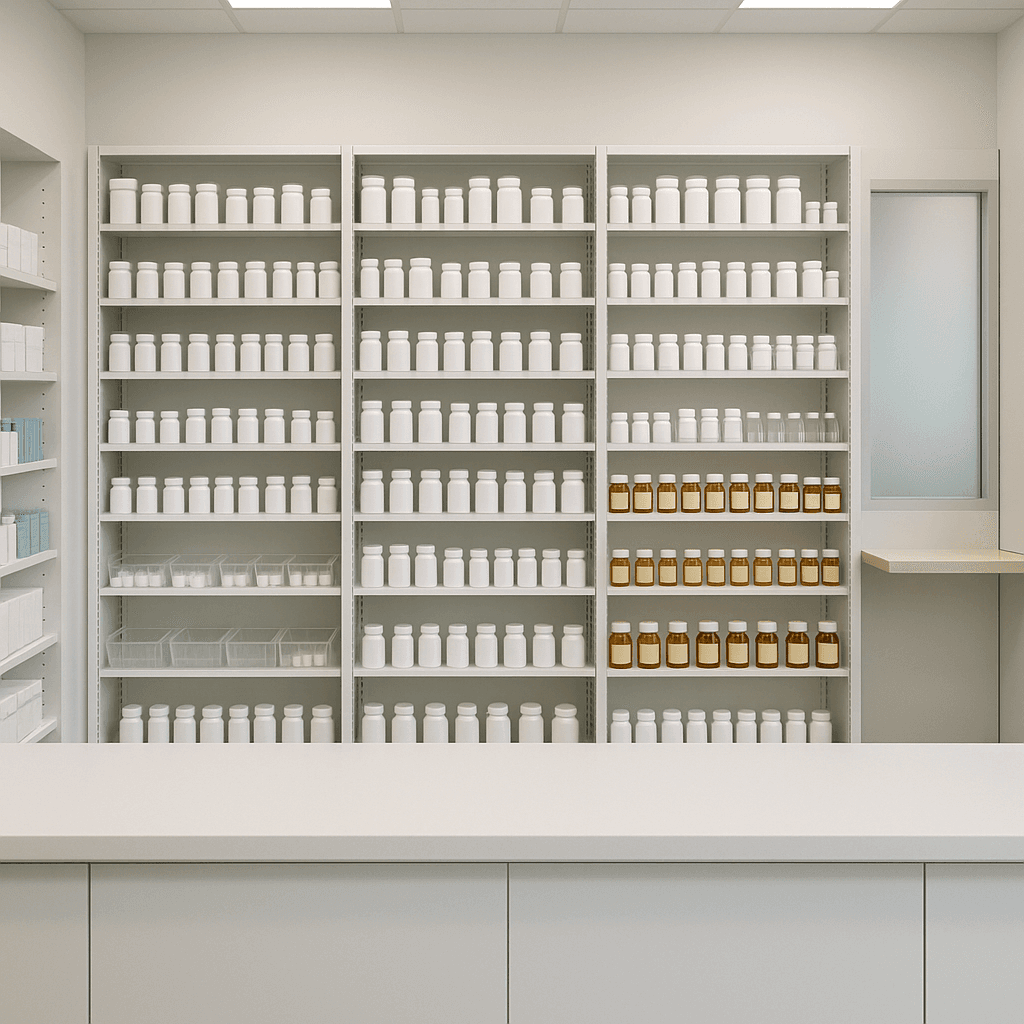
How Much Does It Cost to Start a Pharmacy in Washington?
Low
$295,000
Medium
$472,000
High
$1,180,000
National average: $250,000 – $1,000,000
Interactive Startup Cost Calculator
Startup Cost Calculator
Pharmacy in Washington
Options
Startup Costs
$445,590
Monthly Costs
$118,000
First Year Total
$1,861,590
Full Cost Breakdown
| Cost Category | Low | Medium | High | Notes |
|---|---|---|---|---|
| Initial Drug Inventory | $106,200 | $177,000 | $472,000 | Drug inventory is the largest startup cost for a pharmacy. An independent community pharmacy needs a substantial six-figure opening drug inventory. Work with McKesson, Cardinal Health, or AmerisourceBergen as your wholesale distributor. |
| Pharmacy Software & Hardware | $29,500 | $47,200 | $118,000 | Pharmacy dispensing software (PioneerRx, Rx30, Computer-Rx) requires a meaningful five-figure install plus monthly subscription fees. Automated dispensing robots reduce errors but represent a substantial five-to-six-figure capital purchase. |
| Retail Space Lease & Build-Out | $47,200 | $70,800 | $177,000 | A basic pharmacy can operate in 1,500-3,000 sq ft. The dispensing area must be enclosed and meet state board of pharmacy specifications. A drive-through window adds a meaningful five-figure capital cost. |
| Licensing & Permits | $11,800 | $17,700 | $41,300 | DEA registration is a federal fee paid per three-year registration period (current schedule at https://www.dea.gov/drug-information/drug-policy/registration). State board of pharmacy license varies materially by state. Medicaid and Medicare Part D enrollment is free but takes 30-90 days. |
| Insurance | $11,500 | $17,250 | $40,250 | Pharmacy liability insurance is specialized — work with an agent who understands pharmacy operations. Controlled substance theft coverage is important given drug diversion risk. |
| Security Systems | $7,080 | $9,440 | $23,600 | DEA requires specific security measures for controlled substances including a locked safe or vault. Security camera coverage of all dispensing areas is required in most states. |
| Marketing & Community Outreach | $9,440 | $11,800 | $29,500 | Independent pharmacies compete on service. Building relationships with local physicians and medical practices drives prescription referrals. MTM (Medication Therapy Management) services add revenue. |
| Working Capital Reserve | $71,980 | $94,400 | $236,000 | Insurance PBMs (pharmacy benefit managers) pay 15-30 days in arrears. Cash flow is challenging in the first year — maintain 2-3 months of operating costs as reserve. |
| Total Startup Cost | $294,700 | $445,590 | $1,137,650 | Required costs only |
Licenses & Permits in Washington
Licenses & Permits in Washington
General Business License
Washington State requires most businesses to obtain a Unified Business Identifier (UBI) through the Business Licensing Service (BLS) of the Department of Revenue. Washington has no state income tax, but does have a Business and Occupation (B&O) tax applied to gross receipts, which is unique among US states. Additionally, businesses must register for the B&O tax and any applicable retail sales tax. Many cities require a separate city business license endorsed onto the state license through a streamlined endorsement system.
Industry-Specific Licenses
- Food Service Establishment Permit — Washington State Department of Health or Local Health DepartmentCost: Varies — contact agency • Renewal: Annual
- General Contractor Registration — Washington State Department of Labor and IndustriesCost: Varies — contact agency • Renewal: Annual
- Master Cosmetician Shop License — Washington State Department of Licensing — CosmetologyCost: Varies — contact agency • Renewal: Annual
- Real Estate Broker License — Washington State Department of Licensing — Real EstateCost: Varies — contact agency • Renewal: Biennial
- Family Day Care License / Child Care Center License — Washington State Department of Children, Youth, and FamiliesCost: Varies — contact agency • Renewal: Annual
- Marijuana Retailer License — Washington State Liquor and Cannabis BoardCost: Varies — contact agency • Renewal: Annual
- Spirits/Beer/Wine Restaurant License — Washington State Liquor and Cannabis BoardCost: Varies — contact agency • Renewal: Annual
- Money Transmitter License — Washington State Department of Financial InstitutionsCost: Varies — contact agency • Renewal: Annual
Home-Based Business Rules
Washington municipalities regulate home-based businesses through local ordinances within the GMA planning framework. Seattle allows home occupations in residential zones with restrictions on customer visits, commercial delivery, and non-resident employees. Many Washington communities have updated their home occupation rules to accommodate remote workers and tech entrepreneurs. Washington's cottage food law supports home-based food production and direct consumer sales subject to a state-defined annual cap.
Monthly Operating Costs
After launch, plan for these ongoing monthly expenses for your Pharmacy:
Low
$40,000/mo
Medium
$100,000/mo
High
$300,000/mo
Revenue Potential
Annual Revenue Range
$50,000 – $600,000 (monthly)
Profit Margins
3%-6% net profit typical for independent pharmacies
Break-Even Timeline
18-36 months
How Washington Compares to Neighboring States
Washington is a higher-cost state for starting a Pharmacy, with a cost-of-living index of 112.9 (national average is 100). Compared to neighboring Idaho ($384,000 median startup cost), Washington has higher costs for a Pharmacy.
Common Mistakes to Avoid
- 1
Underestimating drug inventory costs — opening inventory is typically the single largest startup expense
- 2
Not negotiating favorable terms with a drug wholesaler before opening — wholesaler pricing directly impacts margins
- 3
Skipping DIR (Direct and Indirect Remuneration) fee research — PBM claw-backs can turn profitable prescriptions into losses
- 4
Not diversifying into compounding, specialty pharmacy, or MTM services — commodity prescription margins are declining
- 5
Inadequate controlled substance security — DEA inspections are routine and violations carry severe penalties
- 6
Not joining preferred pharmacy networks early — insurance networks control most prescription volume
Next Steps to Launch Your Pharmacy
- 1
Research local zoning requirements in Washington
- 2
Register your Pharmacy as an LLC in Washington (filing fee: $200). If you would rather not file the paperwork yourself, you can compare business formation services.
This is a paid link. If you sign up through it, we earn a commission at no extra cost to you.
- 3
Apply for required licenses and permits through the Washington Secretary of State
- 4
Secure business insurance appropriate for your Pharmacy
- 5
Open a dedicated business bank account to separate personal and business finances
Frequently Asked Questions
Related Businesses in Washington
Medical Practice
Health & Wellness$150,000 – $1,000,000
View in Washington →
Dental Practice
Health & Wellness$350,000 – $1,000,000
View in Washington →
Home Health Care Agency
Health & Wellness$40,000 – $300,000
View in Washington →
Mental Health Practice
Health & Wellness$15,000 – $150,000
View in Washington →
Chiropractic Office
Health & Wellness$100,000 – $300,000
View in Washington →
Start a Pharmacy in Other States
See the national overview for Pharmacy or browse all businesses you can start in Washington.