How Much Does It Cost to Start a Pharmacy in Connecticut?
Starting a Pharmacy in Connecticut typically costs between $297,500 and $1,190,000, with a median estimate of $476,000. Connecticut’s cost of living runs 14% above the national average, which increases commercial rent and labor costs. LLC formation in Connecticut costs $120 to file. Most pharmacy businesses take 6-12 months to launch.
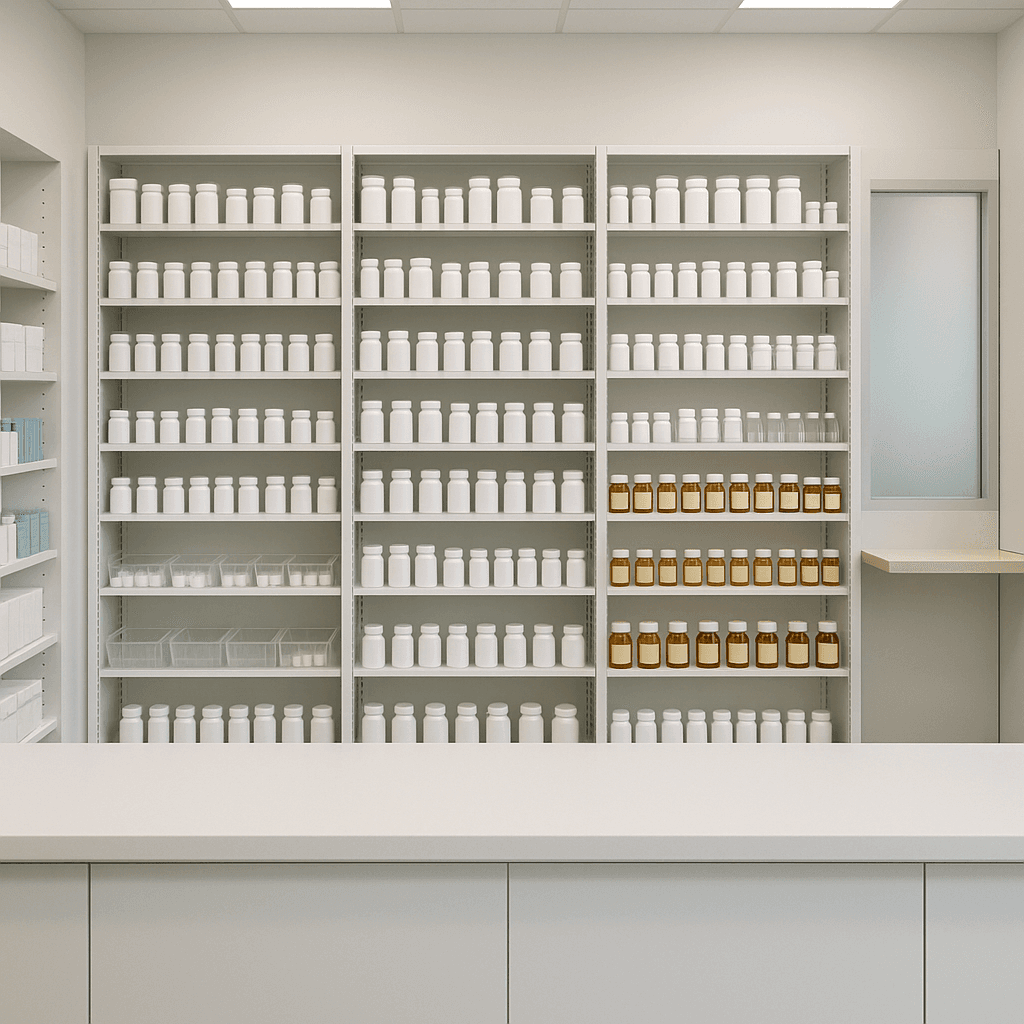
How Much Does It Cost to Start a Pharmacy in Connecticut?
Low
$297,500
Medium
$476,000
High
$1,190,000
National average: $250,000 – $1,000,000
Interactive Startup Cost Calculator
Startup Cost Calculator
Pharmacy in Connecticut
Options
Startup Costs
$449,220
Monthly Costs
$119,000
First Year Total
$1,877,220
Full Cost Breakdown
| Cost Category | Low | Medium | High | Notes |
|---|---|---|---|---|
| Initial Drug Inventory | $107,100 | $178,500 | $476,000 | Drug inventory is the largest startup cost for a pharmacy. An independent community pharmacy needs a substantial six-figure opening drug inventory. Work with McKesson, Cardinal Health, or AmerisourceBergen as your wholesale distributor. |
| Pharmacy Software & Hardware | $29,750 | $47,600 | $119,000 | Pharmacy dispensing software (PioneerRx, Rx30, Computer-Rx) requires a meaningful five-figure install plus monthly subscription fees. Automated dispensing robots reduce errors but represent a substantial five-to-six-figure capital purchase. |
| Retail Space Lease & Build-Out | $47,600 | $71,400 | $178,500 | A basic pharmacy can operate in 1,500-3,000 sq ft. The dispensing area must be enclosed and meet state board of pharmacy specifications. A drive-through window adds a meaningful five-figure capital cost. |
| Licensing & Permits | $11,900 | $17,850 | $41,650 | DEA registration is a federal fee paid per three-year registration period (current schedule at https://www.dea.gov/drug-information/drug-policy/registration). State board of pharmacy license varies materially by state. Medicaid and Medicare Part D enrollment is free but takes 30-90 days. |
| Insurance | $11,500 | $17,250 | $40,250 | Pharmacy liability insurance is specialized — work with an agent who understands pharmacy operations. Controlled substance theft coverage is important given drug diversion risk. |
| Security Systems | $7,140 | $9,520 | $23,800 | DEA requires specific security measures for controlled substances including a locked safe or vault. Security camera coverage of all dispensing areas is required in most states. |
| Marketing & Community Outreach | $9,520 | $11,900 | $29,750 | Independent pharmacies compete on service. Building relationships with local physicians and medical practices drives prescription referrals. MTM (Medication Therapy Management) services add revenue. |
| Working Capital Reserve | $72,590 | $95,200 | $238,000 | Insurance PBMs (pharmacy benefit managers) pay 15-30 days in arrears. Cash flow is challenging in the first year — maintain 2-3 months of operating costs as reserve. |
| Total Startup Cost | $297,100 | $449,220 | $1,146,950 | Required costs only |
Licenses & Permits in Connecticut
Licenses & Permits in Connecticut
General Business License
Connecticut does not have a general statewide business license, but businesses must register with the Connecticut Secretary of State for entity formation and register with the Connecticut Department of Revenue Services to collect sales tax. Some municipalities in Connecticut require a local business license. All businesses with employees must register with the Department of Labor for unemployment insurance and withholding tax purposes.
Industry-Specific Licenses
- Food Service Establishment Permit — Connecticut Department of Public Health or Local Health DepartmentCost: Varies — contact agency • Renewal: Annual
- Home Improvement Contractor Registration — Connecticut Department of Consumer ProtectionCost: Varies — contact agency • Renewal: Biennial
- Cosmetology Establishment License — Connecticut Department of Public Health — CosmetologyCost: Varies — contact agency • Renewal: Annual
- Real Estate Broker License — Connecticut Department of Consumer Protection — Real EstateCost: Varies — contact agency • Renewal: Annual
- Child Day Care Center License — Connecticut Office of Early ChildhoodCost: Varies — contact agency • Renewal: Annual
- Liquor Permit — Connecticut Department of Consumer Protection — Liquor ControlCost: Varies — contact agency • Renewal: Annual
- Electrical Contractor License — Connecticut Department of Consumer Protection — ElectriciansCost: Varies — contact agency • Renewal: Annual
- Insurance Producer License — Connecticut Insurance DepartmentCost: Varies — contact agency • Renewal: Biennial
Home-Based Business Rules
Connecticut municipalities regulate home-based businesses through local zoning ordinances, which vary widely. Most towns allow home occupations as an accessory use in residential zones with restrictions on exterior signage, employee visits, and the proportion of the home used for business. Connecticut's dense suburban character means home business regulations are strictly enforced in many communities.
Monthly Operating Costs
After launch, plan for these ongoing monthly expenses for your Pharmacy:
Low
$40,000/mo
Medium
$100,000/mo
High
$300,000/mo
Revenue Potential
Annual Revenue Range
$50,000 – $600,000 (monthly)
Profit Margins
3%-6% net profit typical for independent pharmacies
Break-Even Timeline
18-36 months
How Connecticut Compares to Neighboring States
Connecticut is a higher-cost state for starting a Pharmacy, with a cost-of-living index of 114 (national average is 100). Compared to neighboring New York ($556,000 median startup cost), Connecticut offers lower costs for a Pharmacy.
| State | Est. Cost | LLC Fee |
|---|---|---|
| Connecticut (current) | $476,000 | $120 |
| New York | $556,000 | $200 |
| Massachusetts | $616,000 | $500 |
| Rhode Island | $448,000 | $150 |
Common Mistakes to Avoid
- 1
Underestimating drug inventory costs — opening inventory is typically the single largest startup expense
- 2
Not negotiating favorable terms with a drug wholesaler before opening — wholesaler pricing directly impacts margins
- 3
Skipping DIR (Direct and Indirect Remuneration) fee research — PBM claw-backs can turn profitable prescriptions into losses
- 4
Not diversifying into compounding, specialty pharmacy, or MTM services — commodity prescription margins are declining
- 5
Inadequate controlled substance security — DEA inspections are routine and violations carry severe penalties
- 6
Not joining preferred pharmacy networks early — insurance networks control most prescription volume
Next Steps to Launch Your Pharmacy
- 1
Research local zoning requirements in Connecticut
- 2
Register your Pharmacy as an LLC in Connecticut (filing fee: $120). If you would rather not file the paperwork yourself, you can compare business formation services.
This is a paid link. If you sign up through it, we earn a commission at no extra cost to you.
- 3
Apply for required licenses and permits through the Connecticut Secretary of State
- 4
Secure business insurance appropriate for your Pharmacy
- 5
Open a dedicated business bank account to separate personal and business finances
Frequently Asked Questions
Related Businesses in Connecticut
Medical Practice
Health & Wellness$150,000 – $1,000,000
View in Connecticut →
Dental Practice
Health & Wellness$350,000 – $1,000,000
View in Connecticut →
Home Health Care Agency
Health & Wellness$40,000 – $300,000
View in Connecticut →
Mental Health Practice
Health & Wellness$15,000 – $150,000
View in Connecticut →
Chiropractic Office
Health & Wellness$100,000 – $300,000
View in Connecticut →
Start a Pharmacy in Other States
See the national overview for Pharmacy or browse all businesses you can start in Connecticut.