How Much Does It Cost to Start a Pizza Shop in South Carolina?
Starting a Pizza Shop in South Carolina typically costs between $67,500 and $360,000, with a median estimate of $157,500. South Carolina’s cost of living is 7% below the national average, which helps reduce operating expenses like commercial rent and labor. LLC formation in South Carolina costs $110 to file. Most pizza shop businesses take 3-6 months to launch.
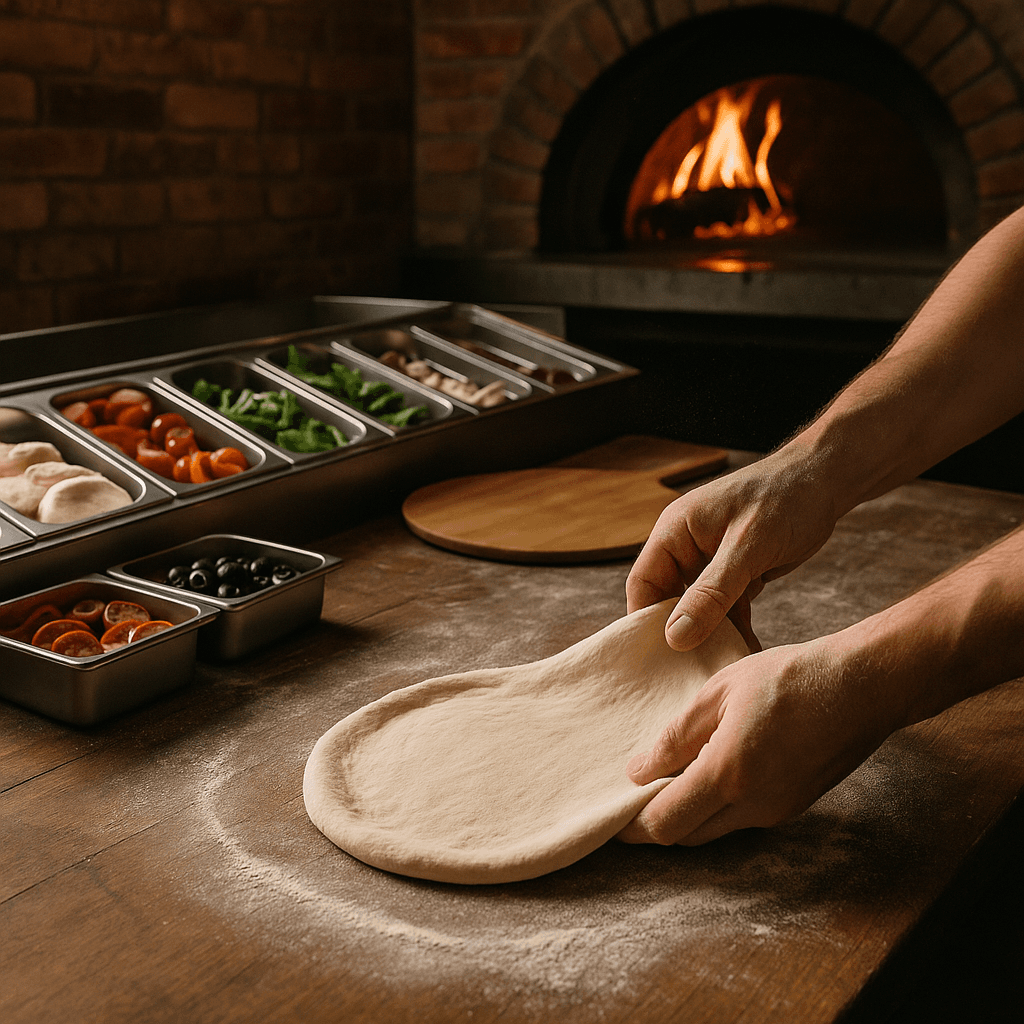
How Much Does It Cost to Start a Pizza Shop in South Carolina?
Low
$67,500
Medium
$157,500
High
$360,000
National average: $75,000 – $400,000
Interactive Startup Cost Calculator
Startup Cost Calculator
Pizza Shop in South Carolina
Options
Startup Costs
$136,350
Monthly Costs
$18,000
First Year Total
$352,350
Full Cost Breakdown
| Cost Category | Low | Medium | High | Notes |
|---|---|---|---|---|
| Commercial Space Lease & Build-Out | $15,300 | $36,000 | $108,000 | A carryout-only pizza shop needs minimal seating. Full-service pizzerias require more dining space. |
| Pizza Ovens | $9,000 | $18,000 | $54,000 | Conveyor ovens are the fastest for delivery and the most predictable to staff. Deck ovens produce artisan results but require more operator skill. Wood-fired ovens carry the highest capital cost and the highest theater value. |
| Kitchen Equipment | $12,600 | $22,500 | $54,000 | A commercial dough mixer is a meaningful capital purchase and is essential for high-volume operations. |
| Initial Food Inventory | $3,600 | $7,200 | $18,000 | Cheese is your most expensive ingredient. Quality mozzarella drives most of the food cost line. Budget carefully and watch wholesale dairy pricing. |
| Licenses & Permits | $1,350 | $2,250 | $6,300 | Add a meaningful additional cost for a beer/wine license if offering alcohol — exact figures vary materially by state. |
| POS & Delivery Technology | $2,700 | $4,500 | $13,500 | Online ordering is essential. Owning your direct order channel avoids the substantial percentage commissions that third-party delivery platforms (DoorDash, Uber Eats) charge per order. |
| Insurance | $2,700 | $5,400 | $13,500 | Commercial auto coverage for delivery drivers is mandatory — personal policies exclude commercial delivery. |
| Marketing & Signage | $3,150 | $6,300 | $18,000 | Door hangers, direct mail, and local online advertising are high-ROI for pizza shops. |
| Working Capital Reserve | $15,750 | $27,000 | $72,000 | Pizza shops with strong delivery can ramp to profitability faster than dine-in concepts. |
| Delivery Vehicles (optional) | $1,350 | $7,200 | $27,000 | Driver-owned vehicles (with mileage reimbursement) are the low-cost option. Company vehicles add reliability. |
| Total Startup Cost | $66,150 | $129,150 | $357,300 | Required costs only |
Licenses & Permits in South Carolina
Licenses & Permits in South Carolina
General Business License
South Carolina requires most businesses to obtain a Business License from the city or county where they operate — there is no statewide general business license. Businesses must register their entity with the South Carolina Secretary of State and register with the South Carolina Department of Revenue for retail license (sales tax) and withholding tax purposes. South Carolina's 271 municipalities each have their own business licensing ordinances under the South Carolina Business License Tax Standardization Act.
Industry-Specific Licenses
- Retail Food Establishment Permit — South Carolina Department of Health and Environmental Control — Division of Environmental HealthCost: Varies — contact agency • Renewal: Annual
- Residential Builder and Home Improvement License — South Carolina Residential Builders CommissionCost: Varies — contact agency • Renewal: Annual
- Cosmetology Salon License — South Carolina Board of CosmetologyCost: Varies — contact agency • Renewal: Annual
- Real Estate Broker License — South Carolina Real Estate CommissionCost: Varies — contact agency • Renewal: Annual
- Child Care Center License — South Carolina Department of Social Services — Division of Child Care ServicesCost: Varies — contact agency • Renewal: Annual
- On-Premises Beer and Wine Permit — South Carolina Department of Revenue — Alcohol Beverage LicensingCost: Varies — contact agency • Renewal: Annual
- Tour Operator License — South Carolina Department of Parks, Recreation and TourismCost: Varies — contact agency • Renewal: Annual
- Medical Practice License — South Carolina Board of Medical ExaminersCost: Varies — contact agency • Renewal: Annual
Home-Based Business Rules
Home-based businesses in South Carolina are regulated by local municipal and county ordinances. Most South Carolina municipalities allow home occupations in residential zones with restrictions on customer traffic, commercial signage, and non-resident employees. South Carolina's many rural communities have minimal restrictions on home-based businesses. The state's cottage food law supports home-based food production and direct consumer sales.
Monthly Operating Costs
After launch, plan for these ongoing monthly expenses for your Pizza Shop:
Low
$8,000/mo
Medium
$20,000/mo
High
$50,000/mo
Revenue Potential
Annual Revenue Range
$150,000 – $1,000,000 (annual)
Profit Margins
7-12%
Break-Even Timeline
12-24 months
How South Carolina Compares to Neighboring States
South Carolina is one of the more affordable states for launching a Pizza Shop, with a cost-of-living index of 92.7 (national average is 100). Compared to neighboring North Carolina ($168,000 median startup cost), South Carolina offers lower costs for a Pizza Shop.
| State | Est. Cost | LLC Fee |
|---|---|---|
| South Carolina (current) | $157,500 | $110 |
| North Carolina | $168,000 | $125 |
| Georgia | $164,500 | $100 |
Common Mistakes to Avoid
- 1
Overrelying on third-party delivery apps — DoorDash and Uber Eats commissions take a substantial cut of revenue per order and can erase the margin on a single pie
- 2
Not investing in a quality POS with online ordering to own your customer data
- 3
Opening near a dominant chain without a strong differentiating product
- 4
Underestimating the skill required for consistent dough — hire an experienced pizza maker first
- 5
Skimping on cheese quality — customers notice and will not return for mediocre pizza
Next Steps to Launch Your Pizza Shop
- 1
Research local zoning requirements in South Carolina
- 2
Register your Pizza Shop as an LLC in South Carolina (filing fee: $110). If you would rather not file the paperwork yourself, you can compare business formation services.
This is a paid link. If you sign up through it, we earn a commission at no extra cost to you.
- 3
Apply for required licenses and permits through the South Carolina Secretary of State
- 4
Secure business insurance appropriate for your Pizza Shop
- 5
Open a dedicated business bank account to separate personal and business finances
Frequently Asked Questions
Related Businesses in South Carolina
Restaurant
Food & Beverage$175,000 – $750,000
View in South Carolina →
Food Truck
Food & Beverage$45,000 – $200,000
View in South Carolina →
Ghost Kitchen
Food & Beverage$20,000 – $150,000
View in South Carolina →
Catering Business
Food & Beverage$12,000 – $130,000
View in South Carolina →
Bar & Nightclub
Food & Beverage$100,000 – $850,000
View in South Carolina →
Start a Pizza Shop in Other States
See the national overview for Pizza Shop or browse all businesses you can start in South Carolina.