How Much Does It Cost to Start a Real Estate Investing & Rental Business in North Dakota?
Starting a Real Estate Investing & Rental Business in North Dakota typically costs between $20,500 and $205,000, with a median estimate of $61,500. North Dakota’s cost of living is 9% below the national average, which helps reduce operating expenses like commercial rent and labor. LLC formation in North Dakota costs $135 to file. Most real estate investing & rental business businesses take 2-6 months to launch.
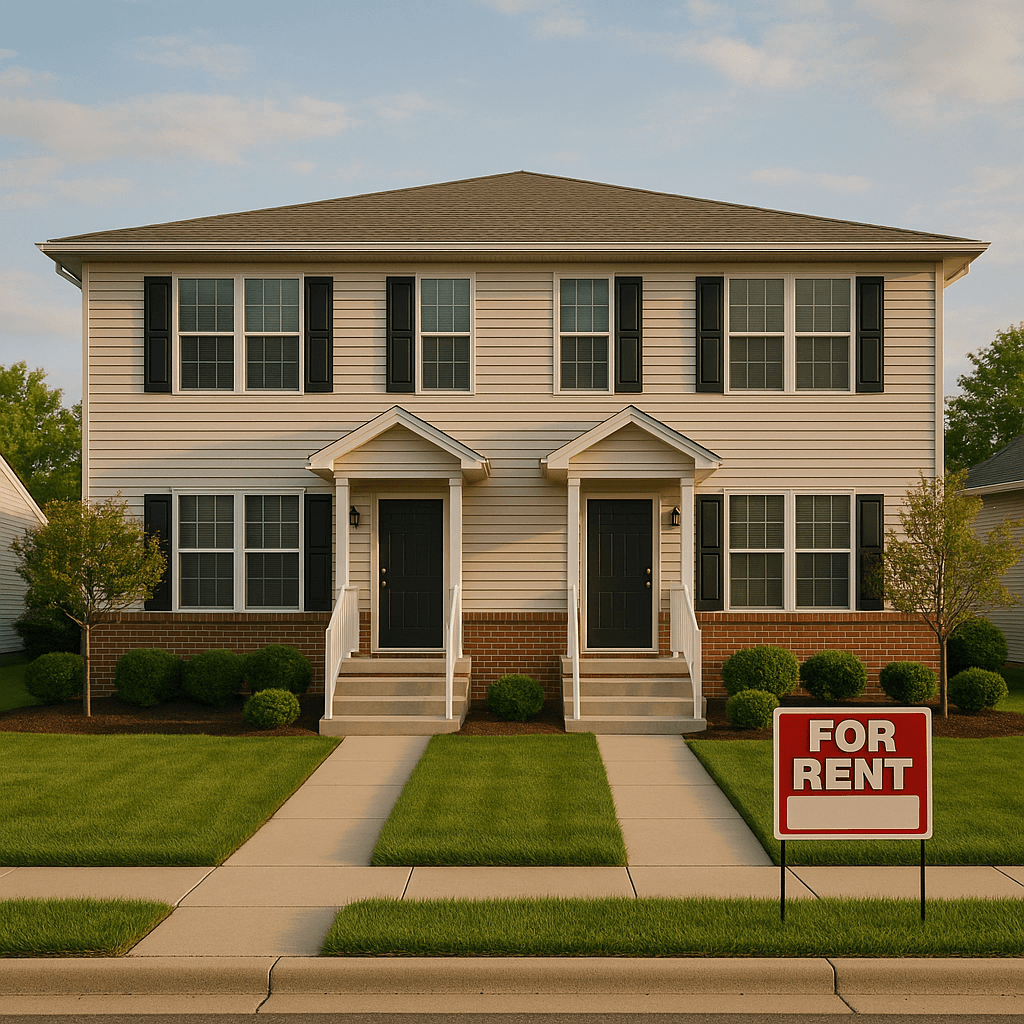
How Much Does It Cost to Start a Real Estate Investing & Rental Business in North Dakota?
Low
$20,500
Medium
$61,500
High
$205,000
National average: $25,000 – $250,000
Interactive Startup Cost Calculator
Startup Cost Calculator
Real Estate Investing & Rental Business in North Dakota
Options
Startup Costs
$53,300
Monthly Costs
$2,460
First Year Total
$82,820
Full Cost Breakdown
| Cost Category | Low | Medium | High | Notes |
|---|---|---|---|---|
| Down Payment (First Property) | $12,300 | $32,800 | $123,000 | Investment-property mortgages require a substantial down-payment share (well above the FHA owner-occupied minimum) per current Fannie Mae and Freddie Mac guidelines (https://singlefamily.fanniemae.com/originating-underwriting/eligibility-policy). |
| Closing Costs | $2,460 | $6,560 | $16,400 | Closing costs are typically a low single-digit percentage of the purchase price. |
| Property Inspection & Due Diligence | $328 | $656 | $1,640 | Never skip inspection on investment properties — deferred maintenance destroys returns. |
| Initial Repairs & Renovation | $1,640 | $6,560 | $32,800 | BRRRR strategy: buy distressed, renovate, rent, refinance, repeat. |
| Landlord Insurance | $656 | $1,230 | $3,280 | Annual per-property cost; standard homeowner's insurance does NOT cover rental properties. |
| Vacancy Reserve | $1,640 | $4,920 | $16,400 | Budget meaningful vacancy and maintenance reserves as a share of gross rent — underwriting both line items conservatively protects cash flow. |
| Business Formation (optional) | $123 | $328 | $820 | Each property ideally in its own LLC — consult an attorney for asset protection strategy. |
| Property Management Software (optional) | $82 | $246 | $656 | Stessa is free for self-managing landlords with basic features. |
| Total Startup Cost | $19,024 | $52,726 | $193,520 | Required costs only |
Licenses & Permits in North Dakota
Licenses & Permits in North Dakota
General Business License
North Dakota does not have a statewide general business license. Businesses must register their entity with the North Dakota Secretary of State and register with the North Dakota Office of State Tax Commissioner for sales and use tax purposes. North Dakota has minimal business regulation relative to most states. Some cities, particularly Fargo, Bismarck, and Grand Forks, require local business licenses, but many communities have no local licensing requirements.
Industry-Specific Licenses
- Food Establishment License — North Dakota Department of Health and Human Services — Division of Food and LodgingCost: Varies — contact agency • Renewal: Annual
- General Contractor License — North Dakota Secretary of State (registration only, no state license required for most)Cost: Varies — contact agency • Renewal: Annual
- Cosmetology Salon License — North Dakota State Board of CosmetologyCost: Varies — contact agency • Renewal: Annual
- Real Estate Broker License — North Dakota Real Estate CommissionCost: Varies — contact agency • Renewal: Annual
- Child Care Center License — North Dakota Department of Health and Human Services — Early Childhood ServicesCost: Varies — contact agency • Renewal: Annual
- Commercial Pesticide Applicator License — North Dakota Department of AgricultureCost: Varies — contact agency • Renewal: Annual
- Retail Liquor License — North Dakota Office of the Attorney General — Alcoholic Beverage LicensingCost: Varies — contact agency • Renewal: Annual
- Oil and Gas Operator License — North Dakota Industrial Commission — Oil and Gas DivisionCost: Varies — contact agency • Renewal: Annual
Home-Based Business Rules
Home-based businesses in North Dakota face minimal regulation in rural and unincorporated areas, which represent most of the state's land area. Fargo, Bismarck, and other cities regulate home occupations through local zoning ordinances with standard restrictions on signage and customer traffic. North Dakota's small-town culture generally supports home-based businesses. The state's cottage food law supports home-based food production and direct consumer sales subject to a state-defined annual cap.
Monthly Operating Costs
After launch, plan for these ongoing monthly expenses for your Real Estate Investing & Rental Business:
Low
$1,000/mo
Medium
$3,000/mo
High
$10,000/mo
Revenue Potential
Annual Revenue Range
$15,000 – $200,000 (annual)
Profit Margins
15-35% cash-on-cash
Break-Even Timeline
12-36 months
How North Dakota Compares to Neighboring States
North Dakota is one of the more affordable states for launching a Real Estate Investing & Rental Business, with a cost-of-living index of 91.1 (national average is 100). Compared to neighboring Minnesota ($70,500 median startup cost), North Dakota offers lower costs for a Real Estate Investing & Rental Business.
| State | Est. Cost | LLC Fee |
|---|---|---|
| North Dakota (current) | $61,500 | $135 |
| Minnesota | $70,500 | $155 |
| South Dakota | $62,250 | $150 |
| Montana | $72,750 | $35 |
Common Mistakes to Avoid
- 1
Insufficient cash reserves for vacancies and repairs
- 2
Underestimating true maintenance costs — a meaningful share of property value should be budgeted annually for repairs and capital reserves
- 3
Buying based on list price instead of after-repair value
- 4
Self-managing in the beginning without tenant screening systems
- 5
Ignoring local landlord-tenant law leading to costly evictions
Next Steps to Launch Your Real Estate Investing & Rental Business
- 1
Form an LLC in North Dakota for each property or a portfolio LLC — separates liability and protects personal assets from tenant lawsuits (filing fee: $135). If you would rather not file the paperwork yourself, you can compare business formation services.
This is a paid link. If you sign up through it, we earn a commission at no extra cost to you.
- 2
Open a business bank account in the LLC name — never comingle personal and rental income; violates the corporate veil
- 3
Obtain landlord insurance (DP-3 policy) for each rental — standard homeowners insurance does NOT cover rental properties
- 4
Research North Dakota landlord-tenant laws — North Dakota sets rules for security deposits, notice requirements, and eviction procedures
- 5
Set up property management software or hire a property manager — Stessa (free) for tracking; AppFolio for scaling
- 6
Obtain an EIN from the IRS for your LLC — needed for business banking, filing Schedule E, and 1099s for contractors
- 7
Screen tenants through a formal application process — credit check, income verification (3x rent), and reference checks
- 8
Create a lease agreement compliant with North Dakota landlord-tenant law — use a North Dakota-specific template from your state's realtor association
Frequently Asked Questions
Related Businesses in North Dakota
Start a Real Estate Investing & Rental Business in Other States
See the national overview for Real Estate Investing & Rental Business or browse all businesses you can start in North Dakota.