How Much Does It Cost to Start a Real Estate Investing & Rental Business in Colorado?
Starting a Real Estate Investing & Rental Business in Colorado typically costs between $27,500 and $275,000, with a median estimate of $82,500. Colorado’s cost of living runs 3% above the national average, which increases commercial rent and labor costs. LLC formation in Colorado costs $50 to file. Most real estate investing & rental business businesses take 2-6 months to launch.
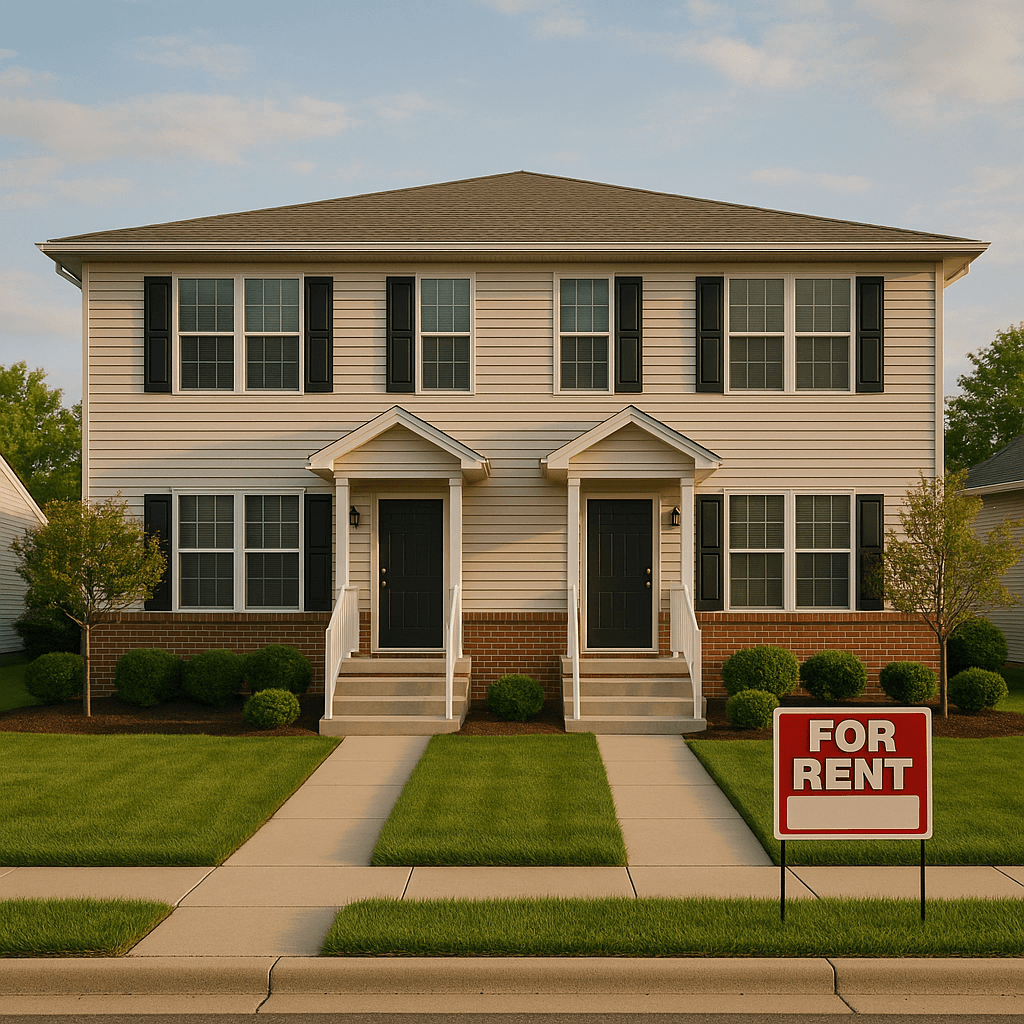
How Much Does It Cost to Start a Real Estate Investing & Rental Business in Colorado?
Low
$27,500
Medium
$82,500
High
$275,000
National average: $25,000 – $250,000
Interactive Startup Cost Calculator
Startup Cost Calculator
Real Estate Investing & Rental Business in Colorado
Options
Startup Costs
$71,500
Monthly Costs
$3,300
First Year Total
$111,100
Full Cost Breakdown
| Cost Category | Low | Medium | High | Notes |
|---|---|---|---|---|
| Down Payment (First Property) | $16,500 | $44,000 | $165,000 | Investment-property mortgages require a substantial down-payment share (well above the FHA owner-occupied minimum) per current Fannie Mae and Freddie Mac guidelines (https://singlefamily.fanniemae.com/originating-underwriting/eligibility-policy). |
| Closing Costs | $3,300 | $8,800 | $22,000 | Closing costs are typically a low single-digit percentage of the purchase price. |
| Property Inspection & Due Diligence | $440 | $880 | $2,200 | Never skip inspection on investment properties — deferred maintenance destroys returns. |
| Initial Repairs & Renovation | $2,200 | $8,800 | $44,000 | BRRRR strategy: buy distressed, renovate, rent, refinance, repeat. |
| Landlord Insurance | $880 | $1,650 | $4,400 | Annual per-property cost; standard homeowner's insurance does NOT cover rental properties. |
| Vacancy Reserve | $2,200 | $6,600 | $22,000 | Budget meaningful vacancy and maintenance reserves as a share of gross rent — underwriting both line items conservatively protects cash flow. |
| Business Formation (optional) | $165 | $440 | $1,100 | Each property ideally in its own LLC — consult an attorney for asset protection strategy. |
| Property Management Software (optional) | $110 | $330 | $880 | Stessa is free for self-managing landlords with basic features. |
| Total Startup Cost | $25,520 | $70,730 | $259,600 | Required costs only |
Licenses & Permits in Colorado
Licenses & Permits in Colorado
General Business License
Colorado does not have a statewide general business license requirement. Businesses must register their entity with the Colorado Secretary of State and obtain a sales tax license from the Colorado Department of Revenue if selling taxable goods or services. Many municipalities require a local business license — Denver, Aurora, Colorado Springs, and Boulder all have their own business licensing programs with state-set annual fees that vary by program.
Industry-Specific Licenses
- Retail Food Establishment License — Colorado Department of Public Health and Environment or County HealthCost: Varies — contact agency • Renewal: Annual
- Contractor License — Local jurisdiction (Denver Building and Fire Code Services, etc.)Cost: Varies — contact agency • Renewal: Annual
- Retail Marijuana Store License — Colorado Marijuana Enforcement DivisionCost: Varies — contact agency • Renewal: Annual
- Cosmetology Salon License — Colorado Office of Barber and Cosmetology LicensureCost: Varies — contact agency • Renewal: Biennial
- Real Estate Broker License — Colorado Division of Real EstateCost: Varies — contact agency • Renewal: Every 3 years
- Child Care Center License — Colorado Department of Early ChildhoodCost: Varies — contact agency • Renewal: Annual
- Retail Liquor Store License — Colorado Liquor Enforcement DivisionCost: Varies — contact agency • Renewal: Annual
- Outfitter and Guide License — Colorado Parks and WildlifeCost: Varies — contact agency • Renewal: Annual
Home-Based Business Rules
Colorado municipalities regulate home-based businesses through local zoning ordinances. Denver allows home occupations with restrictions on customer visits (typically 1 person at a time), no exterior display, and no storage of commercial vehicles. Colorado State law preempts local regulations that would completely prohibit home-based businesses. The Colorado Cottage Food Act specifically authorizes home-based food production with certain limitations.
Monthly Operating Costs
After launch, plan for these ongoing monthly expenses for your Real Estate Investing & Rental Business:
Low
$1,000/mo
Medium
$3,000/mo
High
$10,000/mo
Revenue Potential
Annual Revenue Range
$15,000 – $200,000 (annual)
Profit Margins
15-35% cash-on-cash
Break-Even Timeline
12-36 months
How Colorado Compares to Neighboring States
Colorado is close to the national average for Real Estate Investing & Rental Business startup costs, with a cost-of-living index of 103.1. Compared to neighboring Wyoming ($63,000 median startup cost), Colorado has higher costs for a Real Estate Investing & Rental Business.
Common Mistakes to Avoid
- 1
Insufficient cash reserves for vacancies and repairs
- 2
Underestimating true maintenance costs — a meaningful share of property value should be budgeted annually for repairs and capital reserves
- 3
Buying based on list price instead of after-repair value
- 4
Self-managing in the beginning without tenant screening systems
- 5
Ignoring local landlord-tenant law leading to costly evictions
Next Steps to Launch Your Real Estate Investing & Rental Business
- 1
Form an LLC in Colorado for each property or a portfolio LLC — separates liability and protects personal assets from tenant lawsuits (filing fee: $50). If you would rather not file the paperwork yourself, you can compare business formation services.
This is a paid link. If you sign up through it, we earn a commission at no extra cost to you.
- 2
Open a business bank account in the LLC name — never comingle personal and rental income; violates the corporate veil
- 3
Obtain landlord insurance (DP-3 policy) for each rental — standard homeowners insurance does NOT cover rental properties
- 4
Research Colorado landlord-tenant laws — Colorado sets rules for security deposits, notice requirements, and eviction procedures
- 5
Set up property management software or hire a property manager — Stessa (free) for tracking; AppFolio for scaling
- 6
Obtain an EIN from the IRS for your LLC — needed for business banking, filing Schedule E, and 1099s for contractors
- 7
Screen tenants through a formal application process — credit check, income verification (3x rent), and reference checks
- 8
Create a lease agreement compliant with Colorado landlord-tenant law — use a Colorado-specific template from your state's realtor association
Frequently Asked Questions
Related Businesses in Colorado
Start a Real Estate Investing & Rental Business in Other States
See the national overview for Real Estate Investing & Rental Business or browse all businesses you can start in Colorado.