How Much Does It Cost to Start a Storage Unit Facility in Washington?
Starting a Storage Unit Facility in Washington typically costs between $236,000 and $2,360,000, with a median estimate of $708,000. Washington’s cost of living runs 13% above the national average, which increases commercial rent and labor costs. LLC formation in Washington costs $200 to file. Most storage unit facility businesses take 12-36 months to launch.
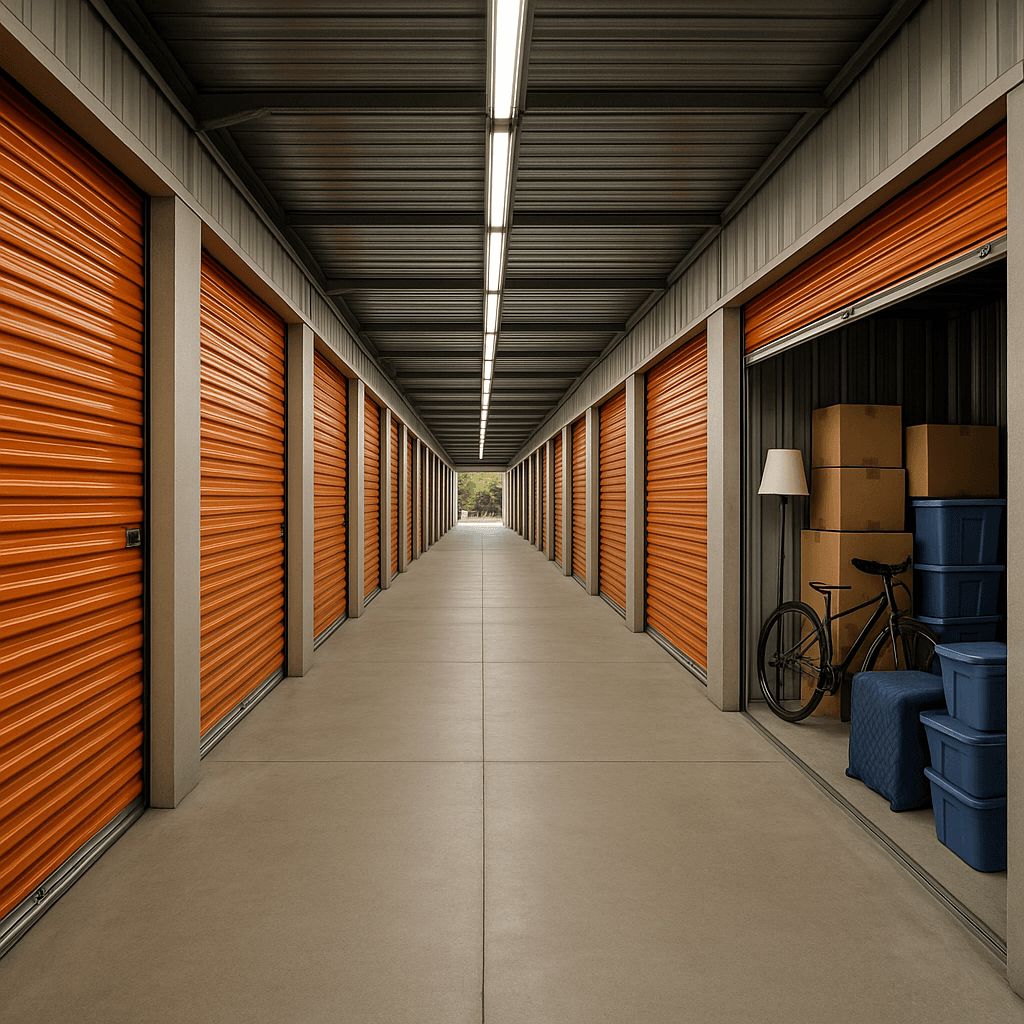
How Much Does It Cost to Start a Storage Unit Facility in Washington?
Low
$236,000
Medium
$708,000
High
$2,360,000
National average: $200,000 – $2,000,000
Interactive Startup Cost Calculator
Startup Cost Calculator
Storage Unit Facility in Washington
Options
Startup Costs
$586,810
Monthly Costs
$17,700
First Year Total
$799,210
Full Cost Breakdown
| Cost Category | Low | Medium | High | Notes |
|---|---|---|---|---|
| Land Acquisition | $59,000 | $236,000 | $1,180,000 | Existing facility conversion is lower risk; ground-up in high-demand markets maximizes returns. |
| Construction or Renovation | $94,400 | $295,000 | $944,000 | Ground-up construction is a meaningful per-square-foot capital cost for simple single-story storage; adding climate control lifts the per-square-foot build cost meaningfully. |
| Security System | $5,900 | $17,700 | $47,200 | Security is a primary customer concern — invest in visible, professional systems. |
| Property Zoning & Permits | $2,360 | $9,440 | $29,500 | Self-storage faces NIMBY opposition in residential areas — commercial/industrial zoning preferred. |
| Self-Storage Management Software | $1,180 | $2,950 | $7,080 | Automated kiosk rentals allow 24-hour access and reduce staffing needs. |
| Office & Kiosk Equipment | $3,540 | $9,440 | $23,600 | Packing supplies retail (boxes, tape) generates ancillary revenue. |
| Insurance | $3,450 | $9,200 | $23,000 | Tenant insurance (offered at rental) generates additional revenue. |
| Marketing & Grand Opening (optional) | $2,360 | $7,080 | $23,600 | Moving company referral programs drive consistent new tenant acquisition. |
| Total Startup Cost | $169,830 | $579,730 | $2,254,380 | Required costs only |
Licenses & Permits in Washington
Licenses & Permits in Washington
General Business License
Washington State requires most businesses to obtain a Unified Business Identifier (UBI) through the Business Licensing Service (BLS) of the Department of Revenue. Washington has no state income tax, but does have a Business and Occupation (B&O) tax applied to gross receipts, which is unique among US states. Additionally, businesses must register for the B&O tax and any applicable retail sales tax. Many cities require a separate city business license endorsed onto the state license through a streamlined endorsement system.
Industry-Specific Licenses
- Food Service Establishment Permit — Washington State Department of Health or Local Health DepartmentCost: Varies — contact agency • Renewal: Annual
- General Contractor Registration — Washington State Department of Labor and IndustriesCost: Varies — contact agency • Renewal: Annual
- Master Cosmetician Shop License — Washington State Department of Licensing — CosmetologyCost: Varies — contact agency • Renewal: Annual
- Real Estate Broker License — Washington State Department of Licensing — Real EstateCost: Varies — contact agency • Renewal: Biennial
- Family Day Care License / Child Care Center License — Washington State Department of Children, Youth, and FamiliesCost: Varies — contact agency • Renewal: Annual
- Marijuana Retailer License — Washington State Liquor and Cannabis BoardCost: Varies — contact agency • Renewal: Annual
- Spirits/Beer/Wine Restaurant License — Washington State Liquor and Cannabis BoardCost: Varies — contact agency • Renewal: Annual
- Money Transmitter License — Washington State Department of Financial InstitutionsCost: Varies — contact agency • Renewal: Annual
Home-Based Business Rules
Washington municipalities regulate home-based businesses through local ordinances within the GMA planning framework. Seattle allows home occupations in residential zones with restrictions on customer visits, commercial delivery, and non-resident employees. Many Washington communities have updated their home occupation rules to accommodate remote workers and tech entrepreneurs. Washington's cottage food law supports home-based food production and direct consumer sales subject to a state-defined annual cap.
Monthly Operating Costs
After launch, plan for these ongoing monthly expenses for your Storage Unit Facility:
Low
$5,000/mo
Medium
$15,000/mo
High
$50,000/mo
Revenue Potential
Annual Revenue Range
$80,000 – $1,500,000 (annual)
Profit Margins
30-50%
Break-Even Timeline
24-60 months
How Washington Compares to Neighboring States
Washington is a higher-cost state for starting a Storage Unit Facility, with a cost-of-living index of 112.9 (national average is 100). Compared to neighboring Idaho ($576,000 median startup cost), Washington has higher costs for a Storage Unit Facility.
Common Mistakes to Avoid
- 1
Underestimating construction costs and timelines
- 2
Wrong location — storage demand requires high-traffic visibility
- 3
No climate-control option limiting premium rate potential
- 4
Inadequate security leading to theft and reputation damage
- 5
No online rental capability losing mobile-first customers
Next Steps to Launch Your Storage Unit Facility
- 1
Form your LLC or corporation in Washington — storage facilities hold customer property and face lien law compliance requirements (filing fee: $200). If you would rather not file the paperwork yourself, you can compare business formation services.
This is a paid link. If you sign up through it, we earn a commission at no extra cost to you.
- 2
Verify zoning approval in your Washington municipality — self-storage requires commercial/industrial zoning; conditional use permits are common
- 3
Obtain a Washington business license and any local storage facility permit or certificate of occupancy
- 4
Research Washington self-storage lien laws — each state has specific procedures for selling abandoned units and notifying customers
- 5
Obtain commercial property and general liability insurance — typically a meaningful four-to-low-five-figure annual premium depending on property size and value
- 6
Set up self-storage management software — Sitelink, StorEdge, or storEDGE for unit inventory, billing, and gate access
- 7
Install an automated gate access system (PTI, DoorKing) with individual unit codes for 24/7 customer access
- 8
Create a storage rental agreement compliant with Washington lien law — include lien rights, insurance requirements, and prohibited items
Frequently Asked Questions
Related Businesses in Washington
Start a Storage Unit Facility in Other States
See the national overview for Storage Unit Facility or browse all businesses you can start in Washington.