How Much Does It Cost to Start a Storage Unit Facility in Wisconsin?
Starting a Storage Unit Facility in Wisconsin typically costs between $182,000 and $1,820,000, with a median estimate of $546,000. Wisconsin’s cost of living is 2% below the national average, which helps reduce operating expenses like commercial rent and labor. LLC formation in Wisconsin costs $130 to file. Most storage unit facility businesses take 12-36 months to launch.
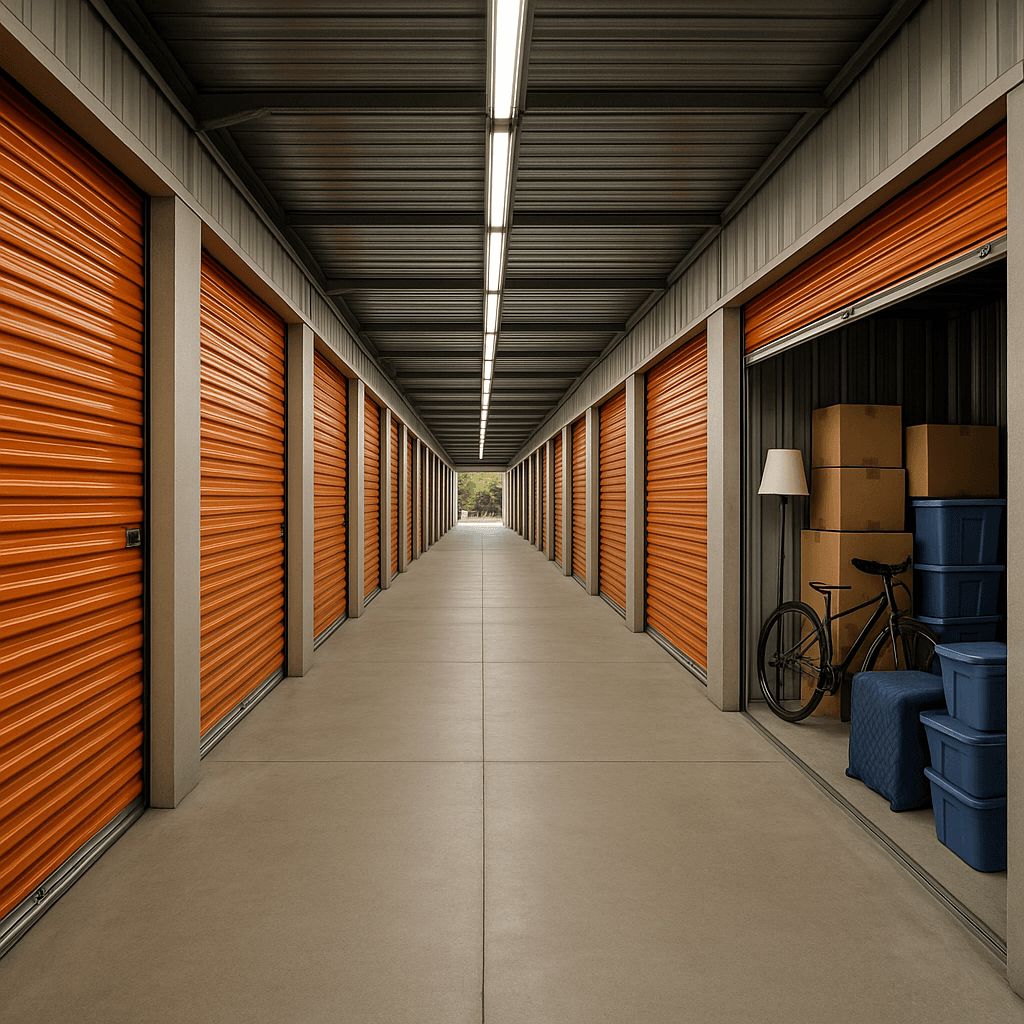
How Much Does It Cost to Start a Storage Unit Facility in Wisconsin?
Low
$182,000
Medium
$546,000
High
$1,820,000
National average: $200,000 – $2,000,000
Interactive Startup Cost Calculator
Startup Cost Calculator
Storage Unit Facility in Wisconsin
Options
Startup Costs
$452,725
Monthly Costs
$13,650
First Year Total
$616,525
Full Cost Breakdown
| Cost Category | Low | Medium | High | Notes |
|---|---|---|---|---|
| Land Acquisition | $45,500 | $182,000 | $910,000 | Existing facility conversion is lower risk; ground-up in high-demand markets maximizes returns. |
| Construction or Renovation | $72,800 | $227,500 | $728,000 | Ground-up construction is a meaningful per-square-foot capital cost for simple single-story storage; adding climate control lifts the per-square-foot build cost meaningfully. |
| Security System | $4,550 | $13,650 | $36,400 | Security is a primary customer concern — invest in visible, professional systems. |
| Property Zoning & Permits | $1,820 | $7,280 | $22,750 | Self-storage faces NIMBY opposition in residential areas — commercial/industrial zoning preferred. |
| Self-Storage Management Software | $910 | $2,275 | $5,460 | Automated kiosk rentals allow 24-hour access and reduce staffing needs. |
| Office & Kiosk Equipment | $2,730 | $7,280 | $18,200 | Packing supplies retail (boxes, tape) generates ancillary revenue. |
| Insurance | $2,730 | $7,280 | $18,200 | Tenant insurance (offered at rental) generates additional revenue. |
| Marketing & Grand Opening (optional) | $1,820 | $5,460 | $18,200 | Moving company referral programs drive consistent new tenant acquisition. |
| Total Startup Cost | $131,040 | $447,265 | $1,739,010 | Required costs only |
Licenses & Permits in Wisconsin
Licenses & Permits in Wisconsin
General Business License
Wisconsin does not have a statewide general business license. Businesses must register their entity with the Wisconsin Department of Financial Institutions and register with the Wisconsin Department of Revenue for sales and use tax and withholding tax purposes. Some Wisconsin municipalities require local business licenses, though this varies. Milwaukee, Madison, and Green Bay have their own licensing requirements. Wisconsin's one-stop portal at DFI.wi.gov helps streamline business registration.
Industry-Specific Licenses
- Food Dealer License — Wisconsin Department of Agriculture, Trade and Consumer Protection or Local Health DepartmentCost: Varies — contact agency • Renewal: Annual
- Dwelling Contractor Certification — Wisconsin Department of Safety and Professional ServicesCost: Varies — contact agency • Renewal: Biennial
- Cosmetology Shop License — Wisconsin Board of CosmetologyCost: Varies — contact agency • Renewal: Biennial
- Real Estate Broker License — Wisconsin Real Estate Examining BoardCost: Varies — contact agency • Renewal: Biennial
- Child Care License — Wisconsin Department of Children and Families — Child Care CertificationCost: Varies — contact agency • Renewal: Annual
- Class B Beer License / Liquor License — Wisconsin Department of Revenue — Alcohol Beverage RegulationCost: Varies — contact agency • Renewal: Annual
- Pesticide Business License — Wisconsin Department of Agriculture, Trade and Consumer ProtectionCost: Varies — contact agency • Renewal: Annual
- Medical Practice License — Wisconsin Medical Examining BoardCost: Varies — contact agency • Renewal: Biennial
Home-Based Business Rules
Wisconsin cities, villages, and towns regulate home-based businesses through local zoning ordinances. Madison and Milwaukee allow home occupations in residential zones with standard restrictions on commercial signage, customer traffic, and non-resident employees. Wisconsin's many small towns and rural areas are generally accommodating of home-based businesses. Wisconsin's cottage food law supports home-based food production and direct consumer sales subject to a state-defined annual cap.
Monthly Operating Costs
After launch, plan for these ongoing monthly expenses for your Storage Unit Facility:
Low
$5,000/mo
Medium
$15,000/mo
High
$50,000/mo
Revenue Potential
Annual Revenue Range
$80,000 – $1,500,000 (annual)
Profit Margins
30-50%
Break-Even Timeline
24-60 months
How Wisconsin Compares to Neighboring States
Wisconsin is close to the national average for Storage Unit Facility startup costs, with a cost-of-living index of 98.5. Compared to neighboring Minnesota ($564,000 median startup cost), Wisconsin offers lower costs for a Storage Unit Facility.
Common Mistakes to Avoid
- 1
Underestimating construction costs and timelines
- 2
Wrong location — storage demand requires high-traffic visibility
- 3
No climate-control option limiting premium rate potential
- 4
Inadequate security leading to theft and reputation damage
- 5
No online rental capability losing mobile-first customers
Next Steps to Launch Your Storage Unit Facility
- 1
Form your LLC or corporation in Wisconsin — storage facilities hold customer property and face lien law compliance requirements (filing fee: $130). If you would rather not file the paperwork yourself, you can compare business formation services.
This is a paid link. If you sign up through it, we earn a commission at no extra cost to you.
- 2
Verify zoning approval in your Wisconsin municipality — self-storage requires commercial/industrial zoning; conditional use permits are common
- 3
Obtain a Wisconsin business license and any local storage facility permit or certificate of occupancy
- 4
Research Wisconsin self-storage lien laws — each state has specific procedures for selling abandoned units and notifying customers
- 5
Obtain commercial property and general liability insurance — typically a meaningful four-to-low-five-figure annual premium depending on property size and value
- 6
Set up self-storage management software — Sitelink, StorEdge, or storEDGE for unit inventory, billing, and gate access
- 7
Install an automated gate access system (PTI, DoorKing) with individual unit codes for 24/7 customer access
- 8
Create a storage rental agreement compliant with Wisconsin lien law — include lien rights, insurance requirements, and prohibited items
Frequently Asked Questions
Related Businesses in Wisconsin
Start a Storage Unit Facility in Other States
See the national overview for Storage Unit Facility or browse all businesses you can start in Wisconsin.