How Much Does It Cost to Start a Tattoo Shop in Delaware?
Starting a Tattoo Shop in Delaware typically costs between $20,800 and $208,000, with a median estimate of $61,360. Delaware’s cost of living runs 4% above the national average, which increases commercial rent and labor costs. LLC formation in Delaware costs $110 to file. Most tattoo shop businesses take 1-4 months to launch.
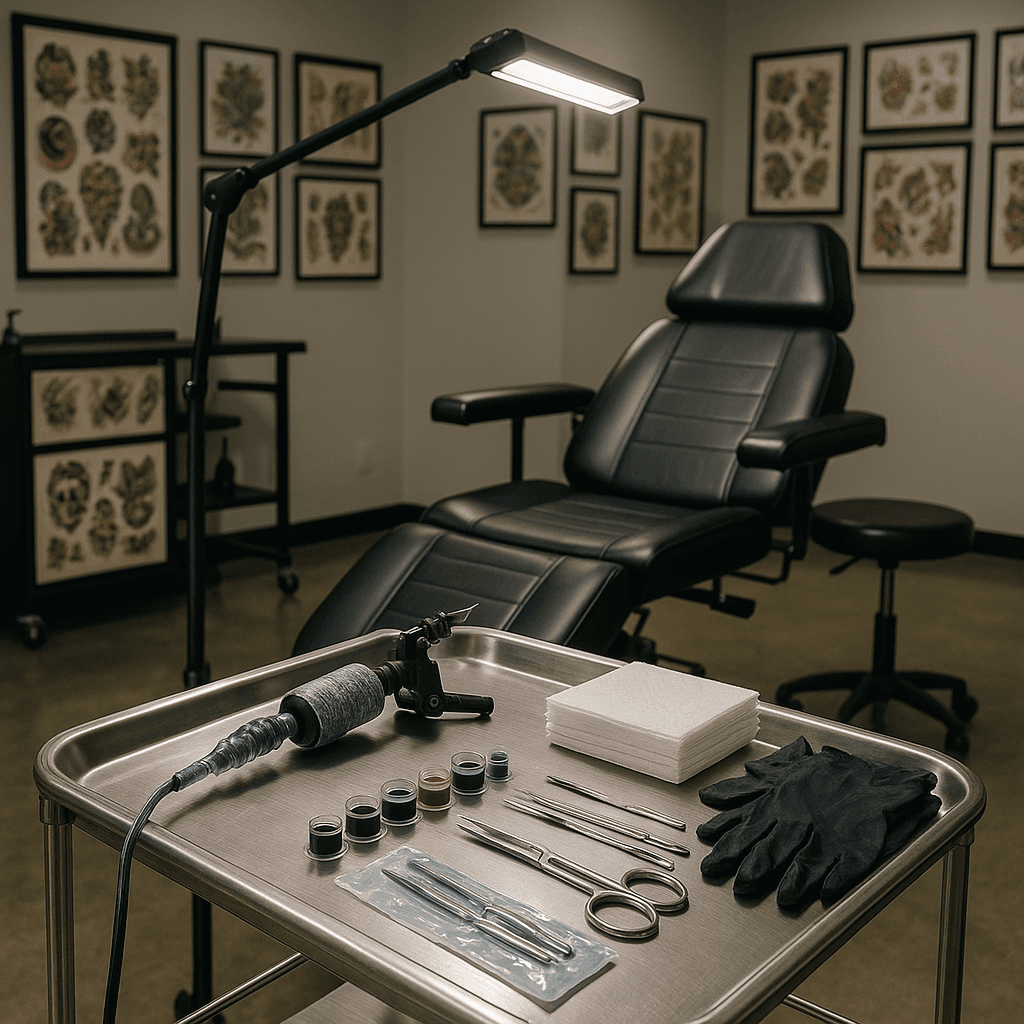
How Much Does It Cost to Start a Tattoo Shop in Delaware?
Low
$20,800
Medium
$61,360
High
$208,000
National average: $20,000 – $200,000
Interactive Startup Cost Calculator
Startup Cost Calculator
Tattoo Shop in Delaware
Options
Startup Costs
$61,360
Monthly Costs
$8,320
First Year Total
$161,200
Full Cost Breakdown
| Cost Category | Low | Medium | High | Notes |
|---|---|---|---|---|
| Studio Space Lease & Build-Out | $5,200 | $26,000 | $83,200 | A 3-artist studio needs 800-1,500 sq ft. The aesthetic is central to attracting clients — invest in a distinctive look. |
| Tattoo Equipment | $2,080 | $8,320 | $26,000 | Quality rotary machines (Cheyenne, FK Irons) are individually a low-three-figure capital cost each. Ink sets are a three-to-low-four-figure investment. Needles are ongoing disposable costs. |
| Sterilization Equipment | $2,080 | $5,200 | $15,600 | An autoclave is mandatory in most states for sterilizing reusable equipment and is a low-to-mid four-figure capital purchase. |
| Licensing & Health Permits | $520 | $2,080 | $6,240 | Requirements vary significantly by state — some states have no tattoo artist licensing, others require 1,000+ hour apprenticeships. |
| Disposable Supplies | $1,040 | $3,120 | $8,320 | All needles and many supplies must be single-use only. This is a significant ongoing operational cost. |
| Insurance | $1,040 | $3,120 | $8,320 | Bloodborne pathogen liability and infection-related claims make professional liability essential for tattoo studios. |
| Marketing & Portfolio Development | $520 | $3,120 | $10,400 | Instagram is the most important marketing channel for tattoo artists — post high-quality healed tattoo photos consistently. |
| Working Capital Reserve | $3,120 | $10,400 | $31,200 | Established artists with Instagram followings can book out 2-3 months in advance within days of opening. |
| Total Startup Cost | $15,600 | $61,360 | $189,280 | Required costs only |
Licenses & Permits in Delaware
Licenses & Permits in Delaware
General Business License
Delaware requires a Business License from the Division of Revenue for any entity conducting business in the state. The license carries a state-set annual fee and is required regardless of business size. Delaware is famously business-friendly for incorporation — over 1 million companies are incorporated in Delaware — due to its Court of Chancery, flexible corporate law, and no corporate income tax for companies not doing business in Delaware.
Industry-Specific Licenses
- Food Establishment Permit — Delaware Department of Health and Social Services — Division of Public HealthCost: Varies — contact agency • Renewal: Annual
- Home Improvement Contractor License — Delaware Division of Professional RegulationCost: Varies — contact agency • Renewal: Biennial
- Cosmetology Shop License — Delaware Board of Cosmetology and BarberingCost: Varies — contact agency • Renewal: Biennial
- Real Estate Broker License — Delaware Real Estate CommissionCost: Varies — contact agency • Renewal: Biennial
- Child Care Facility License — Delaware Department of Education — Office of Early LearningCost: Varies — contact agency • Renewal: Annual
- Retail Liquor License — Delaware Division of Alcohol and Tobacco EnforcementCost: Varies — contact agency • Renewal: Annual
- Lender or Mortgage Broker License — Delaware Office of the State Bank CommissionerCost: Varies — contact agency • Renewal: Annual
- Motor Carrier Certificate — Delaware Department of TransportationCost: Varies — contact agency • Renewal: Annual
Home-Based Business Rules
Delaware municipalities and counties regulate home-based businesses through local zoning ordinances. Most areas allow home occupations in residential zones with restrictions on signage, customer visits, and the proportion of home space used for business. Delaware's proximity to major metro areas (Philadelphia, Baltimore, Washington DC) makes home-based businesses serving those markets common and generally permitted.
Monthly Operating Costs
After launch, plan for these ongoing monthly expenses for your Tattoo Shop:
Low
$3,000/mo
Medium
$8,000/mo
High
$20,000/mo
Revenue Potential
Annual Revenue Range
$60,000 – $600,000 (annual)
Profit Margins
20-40%
Break-Even Timeline
6-18 months
How Delaware Compares to Neighboring States
Delaware is close to the national average for Tattoo Shop startup costs, with a cost-of-living index of 103.8. Compared to neighboring Maryland ($71,390 median startup cost), Delaware offers lower costs for a Tattoo Shop.
| State | Est. Cost | LLC Fee |
|---|---|---|
| Delaware (current) | $61,360 | $110 |
| Maryland | $71,390 | $100 |
| Pennsylvania | $56,640 | $125 |
| New Jersey | $73,750 | $125 |
Common Mistakes to Avoid
- 1
Opening without fully understanding state licensing requirements — some states require 1,000+ hour apprenticeships
- 2
Not having an autoclave or relying on cold sterilization only — health departments require autoclaves in most states
- 3
Hiring artists without reviewing their portfolio and sanitation practices thoroughly
- 4
Not maintaining bloodborne pathogen training records — health department inspections specifically check these
- 5
Undercharging — quality tattoo artists command a healthy three-figure hourly rate; racing to the bottom attracts problem clients
Next Steps to Launch Your Tattoo Shop
- 1
Obtain your Delaware tattoo artist license from the Delaware health department or board of licensure
- 2
Register your Tattoo Shop as an LLC with the Delaware Secretary of State ($110 filing fee). If you would rather not file the paperwork yourself, you can compare business formation services.
This is a paid link. If you sign up through it, we earn a commission at no extra cost to you.
- 3
Obtain a Delaware body art establishment permit — health departments inspect for bloodborne pathogen compliance
- 4
Complete bloodborne pathogen certification (OSHA BBP standard) for all artists and piercers
- 5
Purchase an autoclave sterilization unit and establish a sharps waste disposal contract per Delaware requirements
- 6
Get professional liability and general liability insurance for tattoo operations — typically a low-to-mid four-figure annual premium combined
- 7
Source single-use tattoo needles, inks, and PPE from licensed body art supply distributors
- 8
Set up your booking system and establish a portfolio review process — curate your team's specialty styles before opening
Frequently Asked Questions
Related Businesses in Delaware
Barbershop
Beauty & Personal Care$15,000 – $175,000
View in Delaware →
Esthetics & Skincare Business
Beauty & Personal Care$8,000 – $120,000
View in Delaware →
Hair Salon
Beauty & Personal Care$15,000 – $250,000
View in Delaware →
Beauty Supply Store
Beauty & Personal Care$30,000 – $300,000
View in Delaware →
Nail Salon
Beauty & Personal Care$26,600 – $250,000
View in Delaware →
Start a Tattoo Shop in Other States
See the national overview for Tattoo Shop or browse all businesses you can start in Delaware.