How Much Does It Cost to Start a Towing Company in New Hampshire?
Starting a Towing Company in New Hampshire typically costs between $58,500 and $468,000, with a median estimate of $175,500. New Hampshire’s cost of living runs 11% above the national average, which increases commercial rent and labor costs. LLC formation in New Hampshire costs $102 to file. Most towing company businesses take 2-5 months to launch.
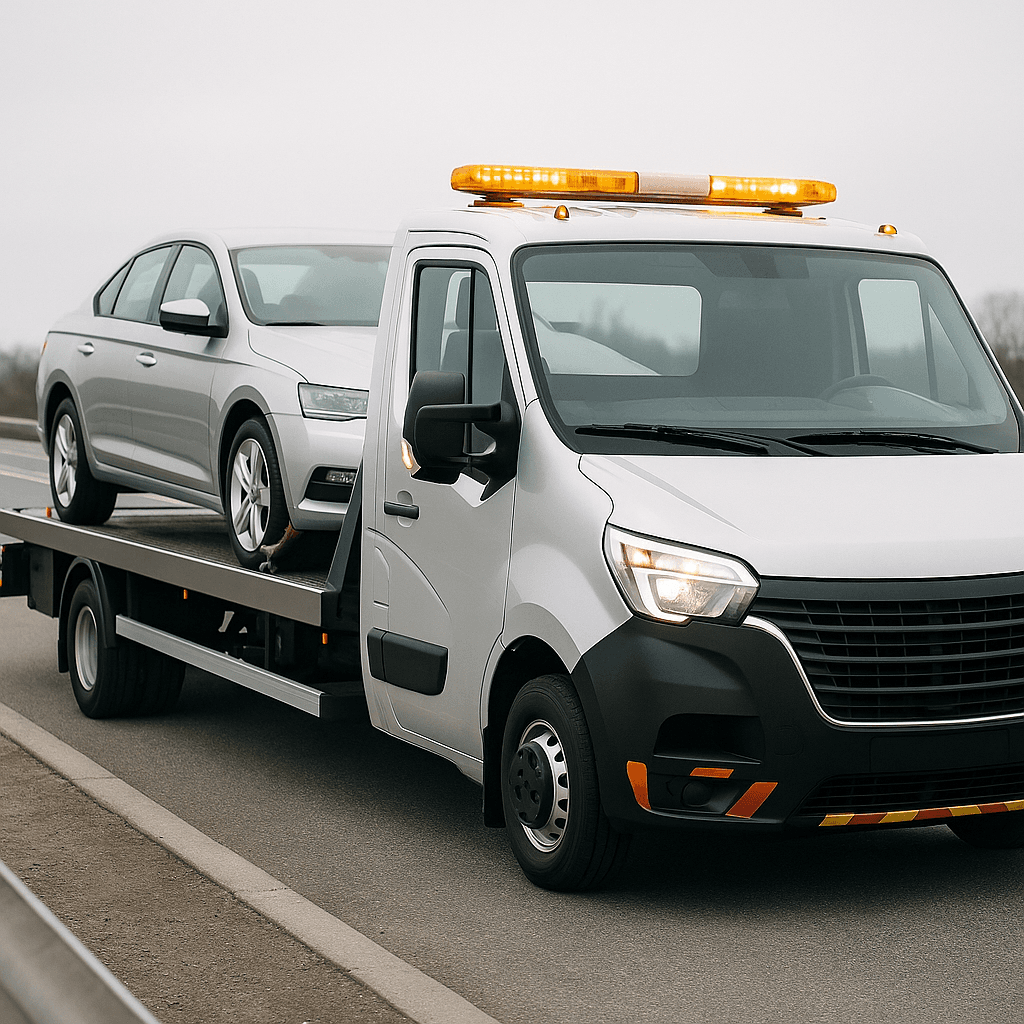
How Much Does It Cost to Start a Towing Company in New Hampshire?
Low
$58,500
Medium
$175,500
High
$468,000
National average: $50,000 – $400,000
Interactive Startup Cost Calculator
Startup Cost Calculator
Towing Company in New Hampshire
Options
Startup Costs
$174,685
Monthly Costs
$17,550
First Year Total
$385,285
Full Cost Breakdown
| Cost Category | Low | Medium | High | Notes |
|---|---|---|---|---|
| Tow Truck(s) | $29,250 | $93,600 | $292,500 | A used light-duty wrecker is a meaningful five-figure capital purchase. A new flatbed rollback runs into the low six figures. Heavy-duty rotators are a multi-hundred-thousand-dollar capital purchase and are typically financed. |
| Dispatch & GPS Technology | $1,170 | $4,680 | $14,040 | Towbook (https://www.towbook.com/) and Dispatch.me are popular towing management platforms billed on monthly subscriptions that scale with truck count. |
| Business Licenses & USDOT Number | $585 | $2,925 | $9,360 | USDOT number registration is free through FMCSA (https://www.fmcsa.dot.gov/registration). State towing licenses are typically a low three-figure cost. Storage yard licenses vary significantly by jurisdiction. |
| Insurance | $8,800 | $22,000 | $55,000 | On-hook coverage is the most important policy — it covers vehicles while being towed. A two-truck operation typically carries premiums in the high four-figure to low-five-figure annual range, with claims history driving meaningful variation. |
| Towing Equipment & Tools | $2,340 | $7,020 | $23,400 | Safety equipment and proper towing rigging are legally required. DOT inspections check equipment condition and certification. |
| Marketing & Police/Motor Club Contracts | $585 | $3,510 | $11,700 | Police rotation contracts provide guaranteed volume but often require 24/7 availability. Motor clubs pay a flat per-tow fee at rates below private retail but create consistent volume that fills downtime between higher-margin calls. |
| Working Capital Reserve | $9,360 | $23,400 | $70,200 | Private towing calls pay immediately. Police/motor club payments have 30-45 day payment cycles. |
| Storage Yard or Impound Lot (optional) | $3,510 | $17,550 | $70,200 | An impound lot generates daily storage fees per vehicle. A multi-dozen-car capacity lot becomes a meaningful recurring revenue stream beyond the per-tow fee. |
| Total Startup Cost | $52,090 | $157,135 | $476,200 | Required costs only |
Licenses & Permits in New Hampshire
Licenses & Permits in New Hampshire
General Business License
New Hampshire does not have a statewide general business license or a state sales tax. Businesses must register their entity with the New Hampshire Secretary of State and register with the Department of Revenue Administration for Business Profits Tax and Business Enterprise Tax purposes. Some New Hampshire municipalities require local business licenses. New Hampshire's 'Live Free or Die' philosophy means the regulatory burden is among the lightest in the nation.
Industry-Specific Licenses
- Food Service License — New Hampshire Department of Health and Human Services — Division of Public Health ServicesCost: Varies — contact agency • Renewal: Annual
- Home Improvement Contractor Registration — New Hampshire Office of Professional Licensure and CertificationCost: Varies — contact agency • Renewal: Annual
- Cosmetology Shop License — New Hampshire Board of Barbering, Cosmetology, and EstheticsCost: Varies — contact agency • Renewal: Annual
- Real Estate Broker License — New Hampshire Real Estate CommissionCost: Varies — contact agency • Renewal: Annual
- Child Care License — New Hampshire Department of Health and Human Services — Child Development BureauCost: Varies — contact agency • Renewal: Annual
- Ski Area License — New Hampshire Department of Safety — Passenger Tramway Safety BoardCost: Varies — contact agency • Renewal: Annual
- Liquor License — New Hampshire Liquor CommissionCost: Varies — contact agency • Renewal: Annual
- Health Care Facility License — New Hampshire Department of Health and Human Services — Bureau of Healthcare FacilitiesCost: Varies — contact agency • Renewal: Annual
Home-Based Business Rules
Home-based businesses in New Hampshire are regulated by local zoning ordinances, which vary significantly by municipality. New Hampshire's many rural towns are generally very permissive of home-based businesses reflecting the state's libertarian philosophy. Manchester and Nashua allow home occupations with standard restrictions on customer traffic and commercial signage. New Hampshire's cottage food law supports home-based food production and direct consumer sales subject to a state-defined annual cap.
Monthly Operating Costs
After launch, plan for these ongoing monthly expenses for your Towing Company:
Low
$6,000/mo
Medium
$15,000/mo
High
$40,000/mo
Revenue Potential
Annual Revenue Range
$100,000 – $1,000,000 (annual)
Profit Margins
10-25%
Break-Even Timeline
12-24 months
How New Hampshire Compares to Neighboring States
New Hampshire is a higher-cost state for starting a Towing Company, with a cost-of-living index of 110.5 (national average is 100). Compared to neighboring Maine ($171,000 median startup cost), New Hampshire has higher costs for a Towing Company.
| State | Est. Cost | LLC Fee |
|---|---|---|
| New Hampshire (current) | $175,500 | $102 |
| Maine | $171,000 | $175 |
| Vermont | $163,500 | $125 |
| Massachusetts | $231,000 | $500 |
Common Mistakes to Avoid
- 1
Underestimating insurance cost — towing insurance is among the most expensive commercial auto policies
- 2
Not obtaining proper on-hook coverage — one accident with a customer vehicle without coverage can bankrupt the business
- 3
Accepting police rotation contracts without understanding 24/7 availability requirements
- 4
Not securing a storage/impound yard — storage fees can equal or exceed towing revenue
- 5
Buying only one truck — a single breakdown eliminates all revenue and strands towed customers
Next Steps to Launch Your Towing Company
- 1
Research local zoning requirements in New Hampshire
- 2
Register your Towing Company as an LLC in New Hampshire (filing fee: $102). If you would rather not file the paperwork yourself, you can compare business formation services.
This is a paid link. If you sign up through it, we earn a commission at no extra cost to you.
- 3
Apply for required licenses and permits through the New Hampshire Secretary of State
- 4
Secure business insurance appropriate for your Towing Company
- 5
Open a dedicated business bank account to separate personal and business finances
Frequently Asked Questions
Related Businesses in New Hampshire
Auto Repair Shop
Automotive$75,000 – $500,000
View in New Hampshire →
Car Wash
Automotive$124,500 – $1,554,000
View in New Hampshire →
Tire Shop
Automotive$50,000 – $400,000
View in New Hampshire →
Used Car Dealership
Automotive$50,000 – $600,000
View in New Hampshire →
Auto Detailing Business
Automotive$5,000 – $100,000
View in New Hampshire →
Start a Towing Company in Other States
See the national overview for Towing Company or browse all businesses you can start in New Hampshire.