How Much Does It Cost to Start a Yoga Studio in Minnesota?
Starting a Yoga Studio in Minnesota typically costs between $18,612 and $188,000, with a median estimate of $75,200. Minnesota’s cost of living is 6% below the national average, which helps reduce operating expenses like commercial rent and labor. LLC formation in Minnesota costs $155 to file. Most yoga studio businesses take 2-5 months to launch.
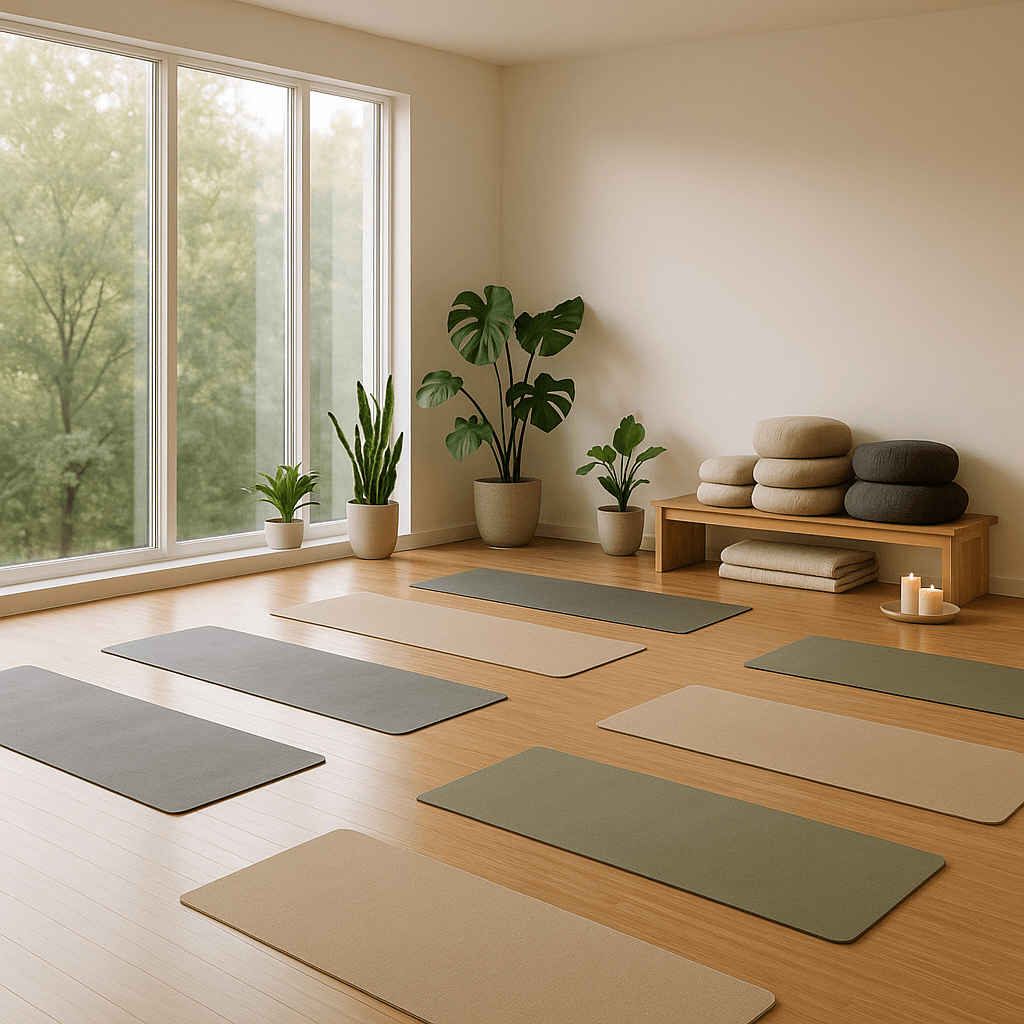
How Much Does It Cost to Start a Yoga Studio in Minnesota?
Low
$18,612
Medium
$75,200
High
$188,000
National average: $19,800 – $200,000
Interactive Startup Cost Calculator
Startup Cost Calculator
Yoga Studio in Minnesota
Options
Startup Costs
$69,560
Monthly Costs
$11,280
First Year Total
$204,920
Full Cost Breakdown
| Cost Category | Low | Medium | High | Notes |
|---|---|---|---|---|
| Studio Space Lease & Build-Out | $7,520 | $28,200 | $75,200 | Sprung wood flooring is the studio standard for cushioned support and is priced per square foot installed; a typical 1,500 sq ft studio commits a meaningful share of total build-out budget to flooring alone. |
| Yoga Equipment & Props | $1,880 | $5,640 | $14,100 | Plan an opening inventory of 30-50 loaner mats. Premium brands like Manduka cost meaningfully more per mat but last considerably longer than budget mats — generally a worthwhile trade for high-traffic studios. |
| Sound & Lighting System | $1,410 | $4,700 | $14,100 | Good audio is non-negotiable for yoga classes. Plan for a multi-thousand-dollar in-ceiling speaker system rather than relying on consumer Bluetooth speakers. |
| Booking & Management Software | $470 | $1,880 | $4,700 | MindBody and Mariana Tek are industry standards. Pricing scales with student count and module mix — expect a recurring monthly subscription with optional payment-processing fees on top. |
| Licenses & Permits | $282 | $1,410 | $4,700 | Music licensing through BMI and ASCAP (https://www.bmi.com/ and https://www.ascap.com/) is required if you play commercially-released music in classes. Annual fees scale with venue capacity and number of weekly performances. |
| Insurance | $940 | $3,290 | $8,460 | Yoga studios need professional liability for instructor-related injuries. Per-instructor coverage through Yoga Alliance (https://www.yogaalliance.org/) is a low three-figure annual cost on top of the studio's general liability policy. |
| Marketing & Pre-Opening | $1,410 | $5,640 | $18,800 | An aggressively-priced unlimited first-month intro is the standard new-student conversion lever and pays for itself within the first few months of retention. Instagram and Facebook are the primary acquisition channels for boutique studios. |
| Working Capital Reserve | $4,700 | $18,800 | $56,400 | Yoga studios need 100-200 active members to cover costs. Budget for a 6-month ramp-up period. |
| Total Startup Cost | $18,612 | $69,560 | $196,460 | Required costs only |
Licenses & Permits in Minnesota
Licenses & Permits in Minnesota
General Business License
Minnesota does not have a statewide general business license. Businesses must register their entity with the Minnesota Secretary of State and register with the Minnesota Department of Revenue for sales and use tax and withholding tax purposes. Some Minnesota cities require local business licenses, though this varies by municipality. Minneapolis and Saint Paul have their own business licensing requirements. Many business types are regulated through specific licensing programs at the state level.
Industry-Specific Licenses
- Food Handler License — Minnesota Department of Agriculture or Local Health DepartmentCost: Varies — contact agency • Renewal: Annual
- Residential Building Contractor License — Minnesota Department of Labor and IndustryCost: Varies — contact agency • Renewal: Annual
- Cosmetology Salon License — Minnesota Department of Labor and Industry — Board of Cosmetologist ExaminersCost: Varies — contact agency • Renewal: Annual
- Real Estate Broker License — Minnesota Department of Commerce — Real EstateCost: Varies — contact agency • Renewal: Annual
- Child Care Center License — Minnesota Department of Human Services — Child Care LicensingCost: Varies — contact agency • Renewal: Annual
- On-Sale Intoxicating Liquor License — Minnesota Department of Public Safety — Alcohol and Gambling Enforcement or Local AuthorityCost: Varies — contact agency • Renewal: Annual
- Cannabis Retailer License — Minnesota Office of Cannabis ManagementCost: Varies — contact agency • Renewal: Annual
- Pesticide Business License — Minnesota Department of AgricultureCost: Varies — contact agency • Renewal: Annual
Home-Based Business Rules
Minnesota municipalities regulate home-based businesses through local zoning ordinances. Minneapolis allows home occupations in all residential zones with restrictions on customer visits, signage, and deliveries. Saint Paul has similar home occupation rules. Minnesota's rural areas are generally very accommodating of home-based businesses. The state's Cottage Food Law specifically supports home-based food production and direct consumer sales.
Monthly Operating Costs
After launch, plan for these ongoing monthly expenses for your Yoga Studio:
Low
$4,000/mo
Medium
$12,000/mo
High
$30,000/mo
Revenue Potential
Annual Revenue Range
$60,000 – $500,000 (annual)
Profit Margins
8-20%
Break-Even Timeline
12-24 months
How Minnesota Compares to Neighboring States
Minnesota is one of the more affordable states for launching a Yoga Studio, with a cost-of-living index of 93.6 (national average is 100). Compared to neighboring Wisconsin ($72,800 median startup cost), Minnesota has higher costs for a Yoga Studio.
| State | Est. Cost | LLC Fee |
|---|---|---|
| Minnesota (current) | $75,200 | $155 |
| Wisconsin | $72,800 | $130 |
| Iowa | $66,400 | $50 |
| South Dakota | $66,400 | $150 |
| North Dakota | $65,600 | $135 |
Common Mistakes to Avoid
- 1
Not obtaining music licenses — statutory copyright infringement penalties under U.S. law can run into five figures per violation, far exceeding the cost of a BMI/ASCAP blanket license
- 2
Overestimating class attendance in early months — ramp up slowly and match instructor hours to demand
- 3
Undervaluing your own teaching time — owner-instructors often forget to account for their labor
- 4
Not building a teacher training program — teacher trainees pay tuition AND become loyal studio members
- 5
Competing on price against large studio chains — compete on community and instructor quality instead
Next Steps to Launch Your Yoga Studio
- 1
Register your Yoga Studio as an LLC with the Minnesota Secretary of State ($155 filing fee). If you would rather not file the paperwork yourself, you can compare business formation services.
This is a paid link. If you sign up through it, we earn a commission at no extra cost to you.
- 2
Obtain a Minnesota business license and any required health/fitness facility permit for your studio
- 3
Verify Minnesota Health Club Act requirements — many states require specific member contract language and cancellation terms
- 4
Ensure all instructors hold 200-hour RYT (Registered Yoga Teacher) certification through Yoga Alliance
- 5
Equip your studio with loaner yoga mats, blocks, straps, bolsters, and a quality in-ceiling sound system before opening day
- 6
Get general liability and professional liability insurance for yoga instruction; premiums scale with class volume and instructor count
- 7
Set up your class scheduling and online booking system (Mindbody, WellnessLiving) before opening
- 8
Build your intro membership offer — a 30-day unlimited pass is a proven new student conversion strategy
Frequently Asked Questions
Related Businesses in Minnesota
Gym & Fitness Center
Health & Wellness$50,000 – $1,000,000
View in Minnesota →
Personal Training Business
Health & Wellness$5,000 – $100,000
View in Minnesota →
Dance Studio
Childcare & Education$20,000 – $250,000
View in Minnesota →
Spa & Massage Therapy
Health & Wellness$10,000 – $250,000
View in Minnesota →
Martial Arts Studio
Childcare & Education$20,000 – $200,000
View in Minnesota →
Start a Yoga Studio in Other States
See the national overview for Yoga Studio or browse all businesses you can start in Minnesota.