How Much Does It Cost to Start a Laundromat in Minnesota?
Starting a Laundromat in Minnesota typically costs between $94,000 and $564,000, with a median estimate of $235,000. Minnesota’s cost of living is 6% below the national average, which helps reduce operating expenses like commercial rent and labor. LLC formation in Minnesota costs $155 to file. Most laundromat businesses take 3-9 months to launch.
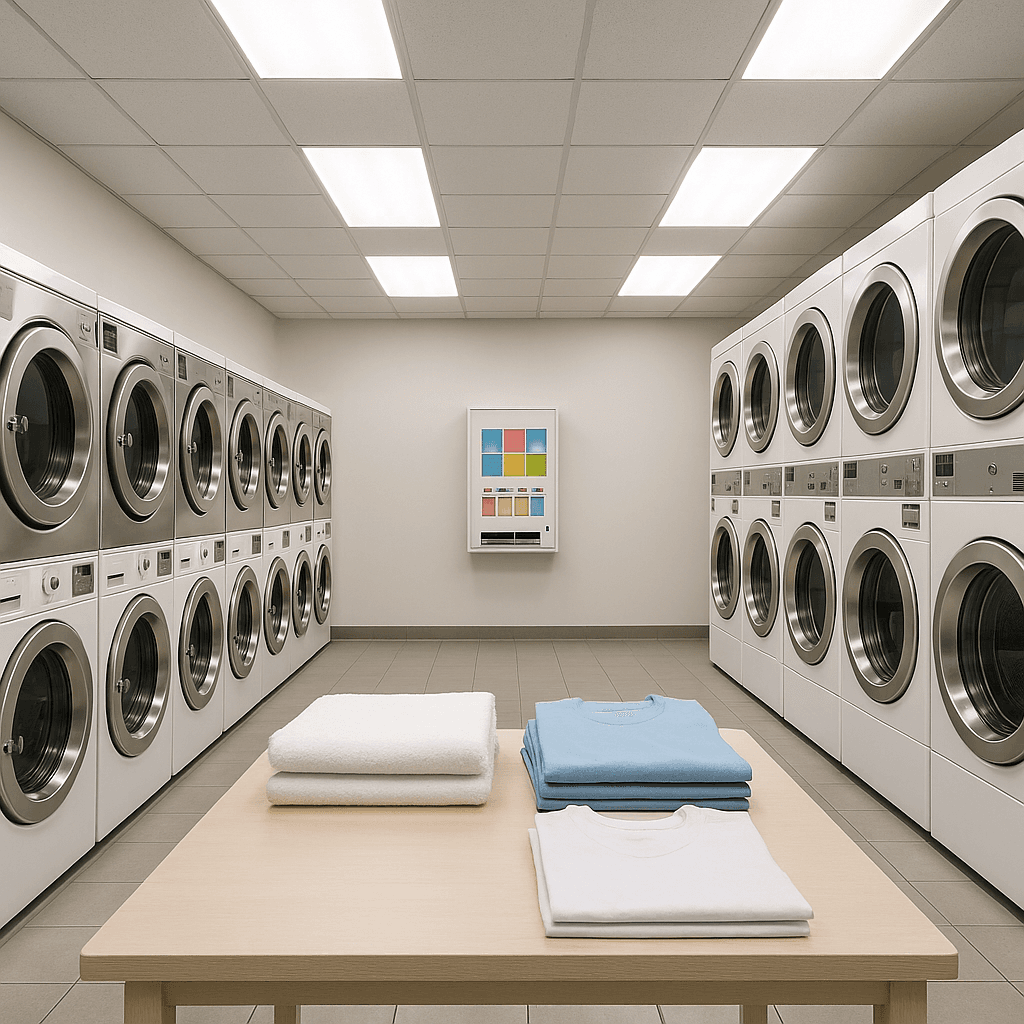
How Much Does It Cost to Start a Laundromat in Minnesota?
Low
$94,000
Medium
$235,000
High
$564,000
National average: $100,000 – $600,000
Interactive Startup Cost Calculator
Startup Cost Calculator
Laundromat in Minnesota
Options
Startup Costs
$203,980
Monthly Costs
$11,280
First Year Total
$339,340
Full Cost Breakdown
| Cost Category | Low | Medium | High | Notes |
|---|---|---|---|---|
| Equipment — Washers & Dryers | $37,600 | $94,000 | $235,000 | A 20-machine laundromat (around a dozen washers plus several dryers) is typically a substantial five-figure-to-low-six-figure capital outlay; commercial washers each carry a meaningful four-figure capital cost, and dryers are a similar four-figure line item. |
| Lease & Build-Out | $18,800 | $56,400 | $141,000 | Plumbing upgrades for commercial washers are the most expensive build-out component. |
| Payment Systems | $2,820 | $7,520 | $18,800 | Cashless payment systems meaningfully lift revenue and reduce coin theft. |
| Point-of-Sale & Management System | $470 | $1,880 | $4,700 | Remote monitoring prevents machine downtime from going undetected. |
| Build-Out & Renovations | $4,700 | $14,100 | $37,600 | Customer experience improvements directly impact return visits and word-of-mouth. |
| Business Insurance | $1,880 | $3,760 | $9,400 | Equipment breakdown coverage is critical — washer failures mean revenue loss. |
| Working Capital | $9,400 | $23,500 | $56,400 | Utilities (water, gas, electric) are the largest ongoing expense — typically a meaningful four-figure monthly cost. |
| Vending Machines (optional) | $940 | $2,820 | $7,520 | Supply vending typically adds a low-three-figure monthly revenue stream in high-traffic laundromats. |
| Total Startup Cost | $75,670 | $201,160 | $502,900 | Required costs only |
Licenses & Permits in Minnesota
Licenses & Permits in Minnesota
General Business License
Minnesota does not have a statewide general business license. Businesses must register their entity with the Minnesota Secretary of State and register with the Minnesota Department of Revenue for sales and use tax and withholding tax purposes. Some Minnesota cities require local business licenses, though this varies by municipality. Minneapolis and Saint Paul have their own business licensing requirements. Many business types are regulated through specific licensing programs at the state level.
Industry-Specific Licenses
- Food Handler License — Minnesota Department of Agriculture or Local Health DepartmentCost: Varies — contact agency • Renewal: Annual
- Residential Building Contractor License — Minnesota Department of Labor and IndustryCost: Varies — contact agency • Renewal: Annual
- Cosmetology Salon License — Minnesota Department of Labor and Industry — Board of Cosmetologist ExaminersCost: Varies — contact agency • Renewal: Annual
- Real Estate Broker License — Minnesota Department of Commerce — Real EstateCost: Varies — contact agency • Renewal: Annual
- Child Care Center License — Minnesota Department of Human Services — Child Care LicensingCost: Varies — contact agency • Renewal: Annual
- On-Sale Intoxicating Liquor License — Minnesota Department of Public Safety — Alcohol and Gambling Enforcement or Local AuthorityCost: Varies — contact agency • Renewal: Annual
- Cannabis Retailer License — Minnesota Office of Cannabis ManagementCost: Varies — contact agency • Renewal: Annual
- Pesticide Business License — Minnesota Department of AgricultureCost: Varies — contact agency • Renewal: Annual
Home-Based Business Rules
Minnesota municipalities regulate home-based businesses through local zoning ordinances. Minneapolis allows home occupations in all residential zones with restrictions on customer visits, signage, and deliveries. Saint Paul has similar home occupation rules. Minnesota's rural areas are generally very accommodating of home-based businesses. The state's Cottage Food Law specifically supports home-based food production and direct consumer sales.
Monthly Operating Costs
After launch, plan for these ongoing monthly expenses for your Laundromat:
Low
$5,000/mo
Medium
$12,000/mo
High
$30,000/mo
Revenue Potential
Annual Revenue Range
$80,000 – $600,000 (annual)
Profit Margins
20-35%
Break-Even Timeline
24-60 months
How Minnesota Compares to Neighboring States
Minnesota is one of the more affordable states for launching a Laundromat, with a cost-of-living index of 93.6 (national average is 100). Compared to neighboring Wisconsin ($227,500 median startup cost), Minnesota has higher costs for a Laundromat.
| State | Est. Cost | LLC Fee |
|---|---|---|
| Minnesota (current) | $235,000 | $155 |
| Wisconsin | $227,500 | $130 |
| Iowa | $207,500 | $50 |
| South Dakota | $207,500 | $150 |
| North Dakota | $205,000 | $135 |
Common Mistakes to Avoid
- 1
Poor location — laundromats need dense residential areas without washer/dryer access
- 2
Buying used residential equipment instead of commercial-grade machines
- 3
Neglecting cleanliness leading to customer loss
- 4
No remote monitoring causing extended machine downtime
- 5
Insufficient working capital for utility bills during ramp-up
Next Steps to Launch Your Laundromat
- 1
Form your LLC or corporation in Minnesota — laundromats involve premises liability and equipment financing obligations (filing fee: $155). If you would rather not file the paperwork yourself, you can compare business formation services.
This is a paid link. If you sign up through it, we earn a commission at no extra cost to you.
- 2
Obtain a Minnesota business license and any local municipality permit for commercial laundry operations
- 3
Secure a commercial lease with adequate water and sewer hookup capacity — verify Minnesota utility infrastructure can support commercial laundry volumes
- 4
Finance commercial washers and dryers through manufacturers (Alliance Laundry, Electrolux) or leasing companies — equipment financing typically requires a meaningful down-payment share
- 5
Obtain a Minnesota water discharge permit if your laundromat discharges above typical residential volumes
- 6
Install card-operated or app-based payment systems (Laundry Lux, PayRange) — coin-only laundromats are declining; cashless systems meaningfully lift revenue
- 7
Get commercial property insurance and general liability — typically a meaningful four-figure annual premium for a typical laundromat
- 8
Set up an attendant schedule or security camera system — unattended laundromats require 24/7 camera coverage to deter theft and vandalism
Frequently Asked Questions
Related Businesses in Minnesota
Start a Laundromat in Other States
See the national overview for Laundromat or browse all businesses you can start in Minnesota.