How Much Does It Cost to Start a Music School in Colorado?
Starting a Music School in Colorado typically costs between $11,000 and $165,000, with a median estimate of $55,000. Colorado’s cost of living runs 3% above the national average, which increases commercial rent and labor costs. LLC formation in Colorado costs $50 to file. Most music school businesses take 1-4 months to launch.
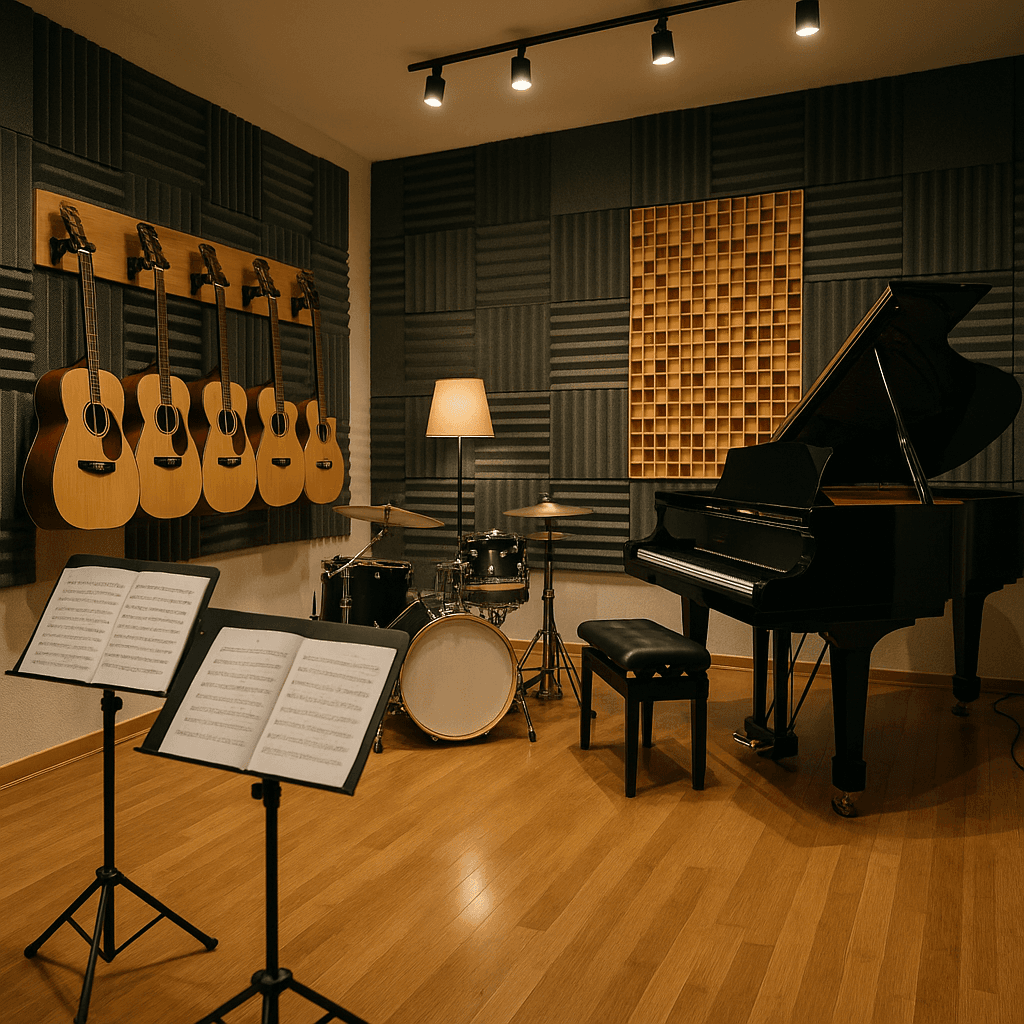
How Much Does It Cost to Start a Music School in Colorado?
Low
$11,000
Medium
$55,000
High
$165,000
National average: $10,000 – $150,000
Interactive Startup Cost Calculator
Startup Cost Calculator
Music School in Colorado
Options
Startup Costs
$52,030
Monthly Costs
$7,700
First Year Total
$144,430
Full Cost Breakdown
| Cost Category | Low | Medium | High | Notes |
|---|---|---|---|---|
| Studio Space Lease & Soundproofing | $3,300 | $22,000 | $77,000 | Soundproofing lesson rooms is a meaningful four-figure cost per room depending on method. Acoustic panels alone are a meaningful three-figure-to-low-four-figure per-room investment. |
| Instruments & Teaching Equipment | $3,300 | $11,000 | $33,000 | Each lesson room needs a quality instrument. Yamaha upright pianos are a meaningful four-figure-to-low-five-figure capital purchase. Roland digital pianos are individual mid-three-figure-to-low-four-figure line items. |
| Music School Software | $330 | $1,650 | $5,500 | Studio Helper, Music Teacher's Helper, and Jackrabbit Music are purpose-built music-school platforms billed on monthly subscriptions that scale with student count. |
| Business License & Music Licensing | $220 | $880 | $3,300 | Teaching copyrighted music in private lessons is legally permissible. Recitals with audience may require performance licenses through ASCAP or BMI. |
| Insurance | $330 | $1,100 | $3,300 | Music teacher insurance through MTNA (https://www.mtna.org/) or independent providers is typically a low three-figure annual cost. |
| Marketing & Instrument Rentals | $550 | $3,300 | $11,000 | Partnering with a local music store for instrument rentals is a valuable service that keeps students enrolled longer. |
| Working Capital Reserve | $2,200 | $8,800 | $33,000 | Music schools with strong school relationships and after-school programs can build enrollment quickly. |
| Waiting Room & Reception Setup | $550 | $3,300 | $8,800 | A welcoming waiting room for parents is essential — most parents wait during their child's lesson. Good seating and Wi-Fi are expected. |
| Total Startup Cost | $10,780 | $52,030 | $174,900 | Required costs only |
Licenses & Permits in Colorado
Licenses & Permits in Colorado
General Business License
Colorado does not have a statewide general business license requirement. Businesses must register their entity with the Colorado Secretary of State and obtain a sales tax license from the Colorado Department of Revenue if selling taxable goods or services. Many municipalities require a local business license — Denver, Aurora, Colorado Springs, and Boulder all have their own business licensing programs with state-set annual fees that vary by program.
Industry-Specific Licenses
- Retail Food Establishment License — Colorado Department of Public Health and Environment or County HealthCost: Varies — contact agency • Renewal: Annual
- Contractor License — Local jurisdiction (Denver Building and Fire Code Services, etc.)Cost: Varies — contact agency • Renewal: Annual
- Retail Marijuana Store License — Colorado Marijuana Enforcement DivisionCost: Varies — contact agency • Renewal: Annual
- Cosmetology Salon License — Colorado Office of Barber and Cosmetology LicensureCost: Varies — contact agency • Renewal: Biennial
- Real Estate Broker License — Colorado Division of Real EstateCost: Varies — contact agency • Renewal: Every 3 years
- Child Care Center License — Colorado Department of Early ChildhoodCost: Varies — contact agency • Renewal: Annual
- Retail Liquor Store License — Colorado Liquor Enforcement DivisionCost: Varies — contact agency • Renewal: Annual
- Outfitter and Guide License — Colorado Parks and WildlifeCost: Varies — contact agency • Renewal: Annual
Home-Based Business Rules
Colorado municipalities regulate home-based businesses through local zoning ordinances. Denver allows home occupations with restrictions on customer visits (typically 1 person at a time), no exterior display, and no storage of commercial vehicles. Colorado State law preempts local regulations that would completely prohibit home-based businesses. The Colorado Cottage Food Act specifically authorizes home-based food production with certain limitations.
Monthly Operating Costs
After launch, plan for these ongoing monthly expenses for your Music School:
Low
$2,000/mo
Medium
$7,000/mo
High
$20,000/mo
Revenue Potential
Annual Revenue Range
$40,000 – $400,000 (annual)
Profit Margins
20-35%
Break-Even Timeline
6-18 months
How Colorado Compares to Neighboring States
Colorado is close to the national average for Music School startup costs, with a cost-of-living index of 103.1. Compared to neighboring Wyoming ($42,000 median startup cost), Colorado has higher costs for a Music School.
Common Mistakes to Avoid
- 1
Not soundproofing lesson rooms — piano lessons bleeding into guitar lessons creates chaos and poor student experience
- 2
Hiring teachers as employees instead of independent contractors before student volume justifies guaranteed hours
- 3
Not building a semi-annual recital program — recitals retain students, involve parents, and add fee revenue
- 4
Setting lesson rates too low — pricing meaningfully below the local market for quality private instruction undercuts the entire economics; rates need to cover teacher pay, room overhead, and reasonable margin
- 5
Not implementing auto-pay monthly tuition — per-lesson billing leads to cancellations and revenue volatility
Next Steps to Launch Your Music School
- 1
Form your LLC in Colorado — music schools work with minors and face property and liability concerns from instrument damage (filing fee: $50). If you would rather not file the paperwork yourself, you can compare business formation services.
This is a paid link. If you sign up through it, we earn a commission at no extra cost to you.
- 2
Obtain a business license in Colorado and confirm your location's zoning permits a music school or studio space with sound amplification
- 3
Conduct background checks on all instructors working with minors — required by many Colorado laws for children's education programs
- 4
Get general liability insurance — protects against student injury and instrument damage claims; premiums scale with teacher count
- 5
Soundproof practice rooms to comply with local noise ordinances — acoustic panels and solid-core doors significantly reduce sound transmission
- 6
Set up music school management software (Music Teacher's Helper, Jackrabbit Music, or Band Director) for scheduling and billing
- 7
Obtain instrument rental inventory (violins, guitars, keyboards) or partner with a local music store for instrument rental referrals
- 8
Plan recitals and student showcases twice per year — these improve student retention and create community visibility for the school
Frequently Asked Questions
Related Businesses in Colorado
Dance Studio
Childcare & Education$20,000 – $250,000
View in Colorado →
Martial Arts Studio
Childcare & Education$20,000 – $200,000
View in Colorado →
Tutoring Business
Childcare & Education$2,000 – $100,000
View in Colorado →
Preschool
Childcare & Education$50,000 – $400,000
View in Colorado →
Daycare Center
Childcare & Education$60,000 – $500,000
View in Colorado →
Start a Music School in Other States
See the national overview for Music School or browse all businesses you can start in Colorado.