How Much Does It Cost to Start a Music School in Hawaii?
Starting a Music School in Hawaii typically costs between $19,300 and $289,500, with a median estimate of $96,500. Hawaii’s cost of living runs 84% above the national average, which increases commercial rent and labor costs. LLC formation in Hawaii costs $50 to file. Most music school businesses take 1-4 months to launch.
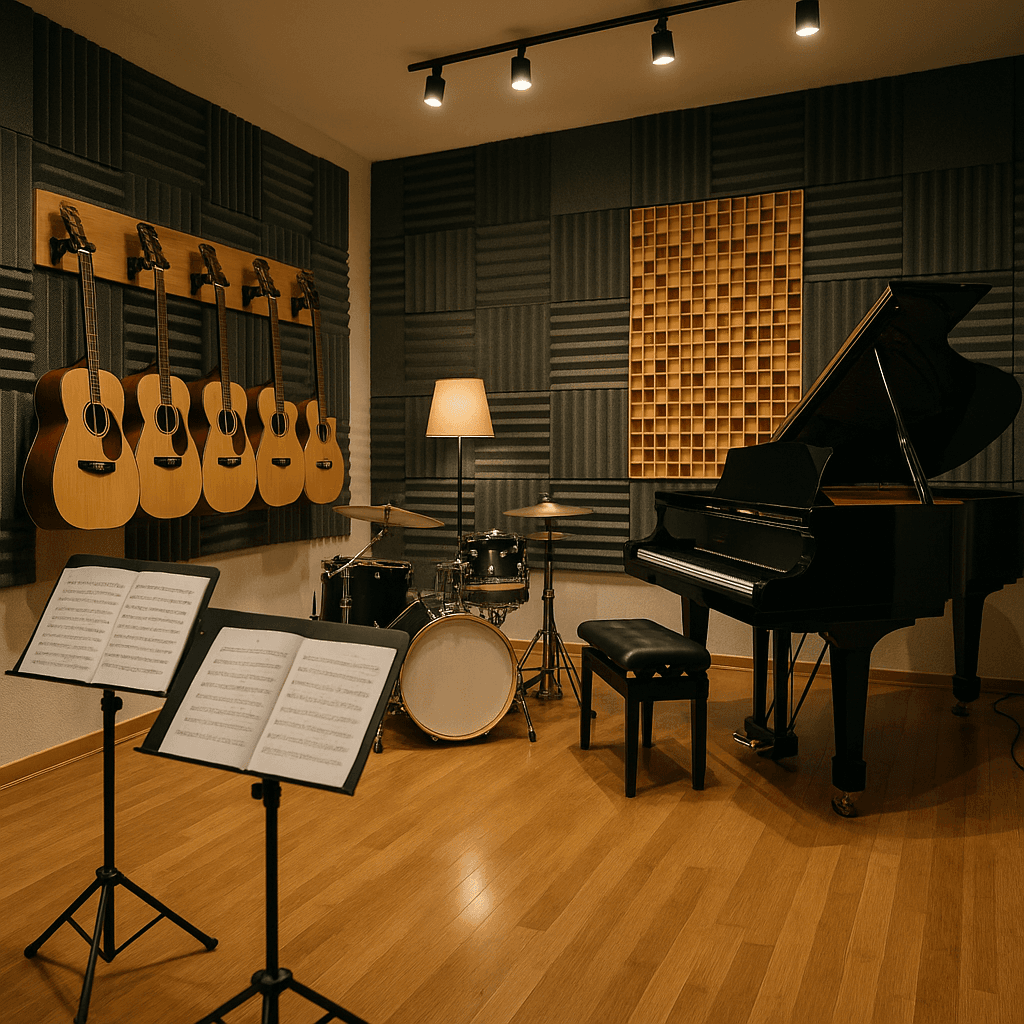
How Much Does It Cost to Start a Music School in Hawaii?
Low
$19,300
Medium
$96,500
High
$289,500
National average: $10,000 – $150,000
Interactive Startup Cost Calculator
Startup Cost Calculator
Music School in Hawaii
Options
Startup Costs
$90,559
Monthly Costs
$13,510
First Year Total
$252,679
Full Cost Breakdown
| Cost Category | Low | Medium | High | Notes |
|---|---|---|---|---|
| Studio Space Lease & Soundproofing | $5,790 | $38,600 | $135,100 | Soundproofing lesson rooms is a meaningful four-figure cost per room depending on method. Acoustic panels alone are a meaningful three-figure-to-low-four-figure per-room investment. |
| Instruments & Teaching Equipment | $5,790 | $19,300 | $57,900 | Each lesson room needs a quality instrument. Yamaha upright pianos are a meaningful four-figure-to-low-five-figure capital purchase. Roland digital pianos are individual mid-three-figure-to-low-four-figure line items. |
| Music School Software | $579 | $2,895 | $9,650 | Studio Helper, Music Teacher's Helper, and Jackrabbit Music are purpose-built music-school platforms billed on monthly subscriptions that scale with student count. |
| Business License & Music Licensing | $386 | $1,544 | $5,790 | Teaching copyrighted music in private lessons is legally permissible. Recitals with audience may require performance licenses through ASCAP or BMI. |
| Insurance | $360 | $1,200 | $3,600 | Music teacher insurance through MTNA (https://www.mtna.org/) or independent providers is typically a low three-figure annual cost. |
| Marketing & Instrument Rentals | $965 | $5,790 | $19,300 | Partnering with a local music store for instrument rentals is a valuable service that keeps students enrolled longer. |
| Working Capital Reserve | $3,860 | $15,440 | $57,900 | Music schools with strong school relationships and after-school programs can build enrollment quickly. |
| Waiting Room & Reception Setup | $965 | $5,790 | $15,440 | A welcoming waiting room for parents is essential — most parents wait during their child's lesson. Good seating and Wi-Fi are expected. |
| Total Startup Cost | $18,695 | $90,559 | $304,680 | Required costs only |
Licenses & Permits in Hawaii
Licenses & Permits in Hawaii
General Business License
Hawaii requires all businesses to obtain a General Excise Tax (GET) License from the Hawaii Department of Taxation before commencing business. This license covers the state's general excise tax, which is applied to most business activities at a state-set general excise tax rate (slightly higher in Oahu). Additionally, businesses must register with the Hawaii Department of Commerce and Consumer Affairs for entity formation. Some businesses also need a county business license from Honolulu, Maui, Hawaii, or Kauai counties.
Industry-Specific Licenses
- Food Establishment Permit — Hawaii Department of Health — Food and Drug BranchCost: Varies — contact agency • Renewal: Annual
- Contractor's License — Hawaii Contractors License BoardCost: Varies — contact agency • Renewal: Biennial
- Tour Guide Certification — Hawaii Department of Commerce and Consumer AffairsCost: Varies — contact agency • Renewal: Biennial
- Beauty Salon License — Hawaii Board of Barbering and CosmetologyCost: Varies — contact agency • Renewal: Biennial
- Real Estate Broker License — Hawaii Real Estate CommissionCost: Varies — contact agency • Renewal: Biennial
- Agricultural Business License — Hawaii Department of AgricultureCost: Varies — contact agency • Renewal: Annual
- Liquor License — County Liquor Commission (Honolulu, Maui, Hawaii, Kauai)Cost: Varies — contact agency • Renewal: Annual
- Child Care Center License — Hawaii Department of Human Services — Child Care Program OfficeCost: Varies — contact agency • Renewal: Annual
Home-Based Business Rules
Hawaii counties regulate home-based businesses through local zoning ordinances. Honolulu allows home occupations as an accessory use in residential districts with restrictions on customers, signage, and business activities that could affect neighbors. Hawaii's high cost of commercial space makes home-based businesses particularly attractive. The state's cottage food law specifically allows home-based food production and direct sales.
Monthly Operating Costs
After launch, plan for these ongoing monthly expenses for your Music School:
Low
$2,000/mo
Medium
$7,000/mo
High
$20,000/mo
Revenue Potential
Annual Revenue Range
$40,000 – $400,000 (annual)
Profit Margins
20-35%
Break-Even Timeline
6-18 months
Common Mistakes to Avoid
- 1
Not soundproofing lesson rooms — piano lessons bleeding into guitar lessons creates chaos and poor student experience
- 2
Hiring teachers as employees instead of independent contractors before student volume justifies guaranteed hours
- 3
Not building a semi-annual recital program — recitals retain students, involve parents, and add fee revenue
- 4
Setting lesson rates too low — pricing meaningfully below the local market for quality private instruction undercuts the entire economics; rates need to cover teacher pay, room overhead, and reasonable margin
- 5
Not implementing auto-pay monthly tuition — per-lesson billing leads to cancellations and revenue volatility
Next Steps to Launch Your Music School
- 1
Form your LLC in Hawaii — music schools work with minors and face property and liability concerns from instrument damage (filing fee: $50). If you would rather not file the paperwork yourself, you can compare business formation services.
This is a paid link. If you sign up through it, we earn a commission at no extra cost to you.
- 2
Obtain a business license in Hawaii and confirm your location's zoning permits a music school or studio space with sound amplification
- 3
Conduct background checks on all instructors working with minors — required by many Hawaii laws for children's education programs
- 4
Get general liability insurance — protects against student injury and instrument damage claims; premiums scale with teacher count
- 5
Soundproof practice rooms to comply with local noise ordinances — acoustic panels and solid-core doors significantly reduce sound transmission
- 6
Set up music school management software (Music Teacher's Helper, Jackrabbit Music, or Band Director) for scheduling and billing
- 7
Obtain instrument rental inventory (violins, guitars, keyboards) or partner with a local music store for instrument rental referrals
- 8
Plan recitals and student showcases twice per year — these improve student retention and create community visibility for the school
Frequently Asked Questions
Related Businesses in Hawaii
Dance Studio
Childcare & Education$20,000 – $250,000
View in Hawaii →
Martial Arts Studio
Childcare & Education$20,000 – $200,000
View in Hawaii →
Tutoring Business
Childcare & Education$2,000 – $100,000
View in Hawaii →
Preschool
Childcare & Education$50,000 – $400,000
View in Hawaii →
Daycare Center
Childcare & Education$60,000 – $500,000
View in Hawaii →
Start a Music School in Other States
See the national overview for Music School or browse all businesses you can start in Hawaii.