How Much Does It Cost to Start a Thrift Store in South Carolina?
Starting a Thrift Store in South Carolina typically costs between $18,000 and $180,000, with a median estimate of $67,500. South Carolina’s cost of living is 7% below the national average, which helps reduce operating expenses like commercial rent and labor. LLC formation in South Carolina costs $110 to file. Most thrift store businesses take 1-3 months to launch.
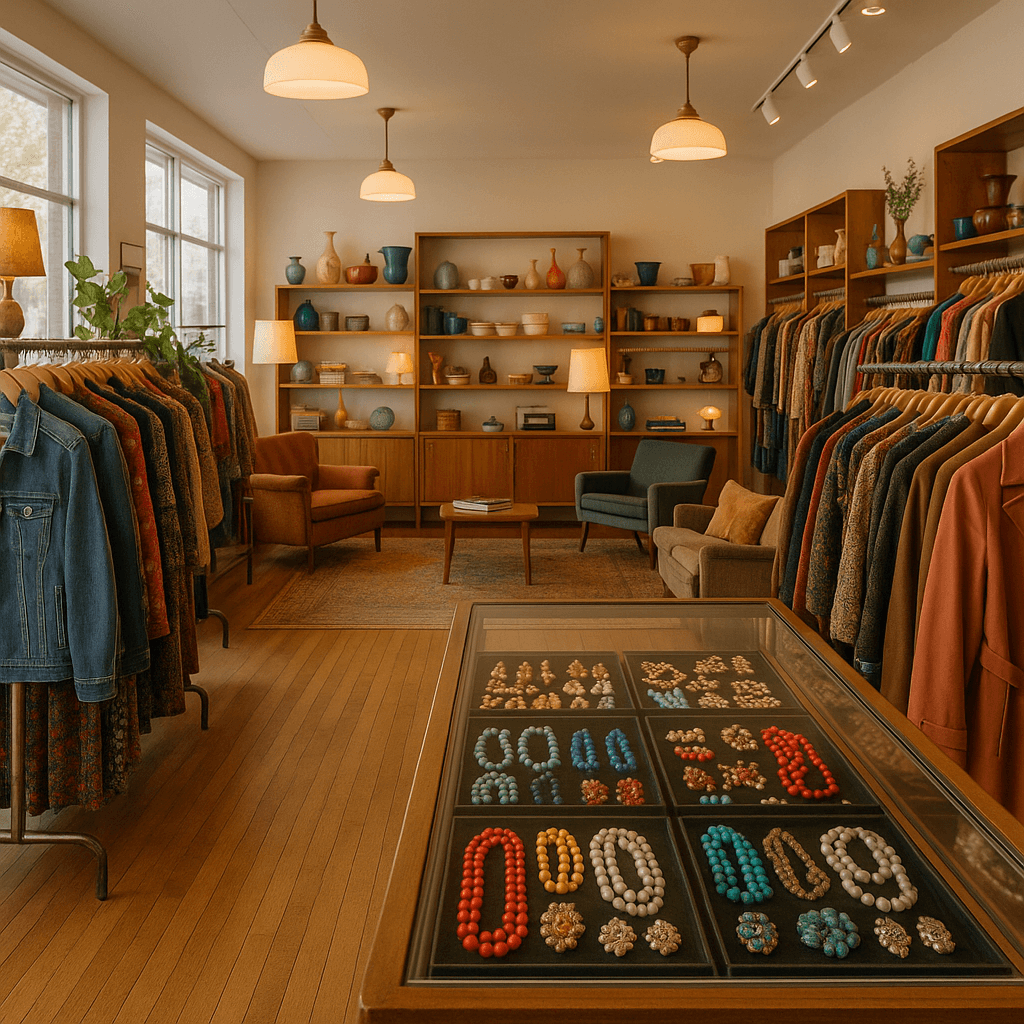
How Much Does It Cost to Start a Thrift Store in South Carolina?
Low
$18,000
Medium
$67,500
High
$180,000
National average: $20,000 – $200,000
Interactive Startup Cost Calculator
Startup Cost Calculator
Thrift Store in South Carolina
Options
Startup Costs
$62,820
Monthly Costs
$7,200
First Year Total
$149,220
Full Cost Breakdown
| Cost Category | Low | Medium | High | Notes |
|---|---|---|---|---|
| Retail Space Lease & Build-Out | $7,200 | $27,000 | $72,000 | Thrift stores do well in lower-rent commercial spaces. A 3,000-5,000 sq ft location allows sufficient inventory volume. |
| Fixtures & Display Equipment | $2,700 | $9,000 | $22,500 | Used store fixtures are often available from closed retail stores at a small fraction of new prices. |
| Opening Inventory Purchase | $2,700 | $9,000 | $27,000 | Purchase lots from estate sales, storage unit auctions, and liquidation pallets to launch quickly. |
| POS & Inventory System | $270 | $1,350 | $4,500 | Square or Shopify POS works well for thrift stores. Full inventory tracking is impractical for donated goods. |
| Licenses & Permits | $90 | $720 | $2,700 | Most states require a secondhand dealer permit for reselling used goods. Some cities require individual item tagging with acquisition date. |
| Insurance | $720 | $2,250 | $6,300 | Slip-and-fall liability is significant in thrift stores. Property insurance covers inventory and fixtures. |
| Marketing & Donation Campaign | $450 | $2,700 | $9,000 | Building a strong donation pipeline is more valuable than paid advertising for thrift stores. |
| Working Capital Reserve | $3,600 | $10,800 | $27,000 | Thrift stores with consistent donation sources can break even quickly. The key is product quality and pricing. |
| Total Startup Cost | $17,730 | $62,820 | $171,000 | Required costs only |
Licenses & Permits in South Carolina
Licenses & Permits in South Carolina
General Business License
South Carolina requires most businesses to obtain a Business License from the city or county where they operate — there is no statewide general business license. Businesses must register their entity with the South Carolina Secretary of State and register with the South Carolina Department of Revenue for retail license (sales tax) and withholding tax purposes. South Carolina's 271 municipalities each have their own business licensing ordinances under the South Carolina Business License Tax Standardization Act.
Industry-Specific Licenses
- Retail Food Establishment Permit — South Carolina Department of Health and Environmental Control — Division of Environmental HealthCost: Varies — contact agency • Renewal: Annual
- Residential Builder and Home Improvement License — South Carolina Residential Builders CommissionCost: Varies — contact agency • Renewal: Annual
- Cosmetology Salon License — South Carolina Board of CosmetologyCost: Varies — contact agency • Renewal: Annual
- Real Estate Broker License — South Carolina Real Estate CommissionCost: Varies — contact agency • Renewal: Annual
- Child Care Center License — South Carolina Department of Social Services — Division of Child Care ServicesCost: Varies — contact agency • Renewal: Annual
- On-Premises Beer and Wine Permit — South Carolina Department of Revenue — Alcohol Beverage LicensingCost: Varies — contact agency • Renewal: Annual
- Tour Operator License — South Carolina Department of Parks, Recreation and TourismCost: Varies — contact agency • Renewal: Annual
- Medical Practice License — South Carolina Board of Medical ExaminersCost: Varies — contact agency • Renewal: Annual
Home-Based Business Rules
Home-based businesses in South Carolina are regulated by local municipal and county ordinances. Most South Carolina municipalities allow home occupations in residential zones with restrictions on customer traffic, commercial signage, and non-resident employees. South Carolina's many rural communities have minimal restrictions on home-based businesses. The state's cottage food law supports home-based food production and direct consumer sales.
Monthly Operating Costs
After launch, plan for these ongoing monthly expenses for your Thrift Store:
Low
$3,000/mo
Medium
$8,000/mo
High
$22,000/mo
Revenue Potential
Annual Revenue Range
$80,000 – $700,000 (annual)
Profit Margins
20-40%
Break-Even Timeline
6-18 months
How South Carolina Compares to Neighboring States
South Carolina is one of the more affordable states for launching a Thrift Store, with a cost-of-living index of 92.7 (national average is 100). Compared to neighboring North Carolina ($72,000 median startup cost), South Carolina offers lower costs for a Thrift Store.
| State | Est. Cost | LLC Fee |
|---|---|---|
| South Carolina (current) | $67,500 | $110 |
| North Carolina | $72,000 | $125 |
| Georgia | $70,500 | $100 |
Common Mistakes to Avoid
- 1
Accepting all donated items indiscriminately — low-quality donations cost money to sort, display, and dispose of
- 2
Not pricing aggressively — thrift customers expect deals; overpricing drives customers away
- 3
Ignoring the online resale opportunity — high-value items on eBay and Poshmark dramatically increase revenue
- 4
Not creating a clear policy on what donations you accept — community confusion about acceptable items creates operational chaos
- 5
Underestimating inventory sorting labor — processing donated goods is time-intensive and often underestimated
Next Steps to Launch Your Thrift Store
- 1
Register your Thrift Store as an LLC with the South Carolina Secretary of State ($110 filing fee). If you would rather not file the paperwork yourself, you can compare business formation services.
This is a paid link. If you sign up through it, we earn a commission at no extra cost to you.
- 2
Apply for a South Carolina sales tax permit/seller's permit — thrift sales are taxable retail transactions
- 3
Obtain a South Carolina business license and local retail establishment permit for your thrift store location
- 4
If operating as a nonprofit, apply for 501(c)(3) tax-exempt status and South Carolina charitable registration
- 5
Establish donation intake policies, pricing guidelines, and a quality control process for all incoming merchandise
- 6
Get commercial property and general liability insurance for your retail store — typically a low-to-mid four-figure annual premium
- 7
Set up your POS system — many thrift stores use Lightspeed or Square with barcode labeling for fast pricing
- 8
Create a consignor program or estate sale acquisition strategy to ensure consistent quality inventory flow
Frequently Asked Questions
Related Businesses in South Carolina
Clothing Boutique
Retail$39,400 – $300,000
View in South Carolina →
Furniture Store
Retail$50,000 – $600,000
View in South Carolina →
Gift Shop
Retail$20,000 – $200,000
View in South Carolina →
Bookstore
Retail$35,400 – $300,000
View in South Carolina →
E-Commerce Store
Tech & Online$5,000 – $50,000
View in South Carolina →
Start a Thrift Store in Other States
See the national overview for Thrift Store or browse all businesses you can start in South Carolina.