How Much Does It Cost to Start a Courier & Delivery Service in Colorado?
Starting a Courier & Delivery Service in Colorado typically costs between $8,800 and $60,500, with a median estimate of $24,200. Colorado’s cost of living runs 3% above the national average, which increases commercial rent and labor costs. LLC formation in Colorado costs $50 to file. Most courier & delivery service businesses take 2-6 weeks to launch.
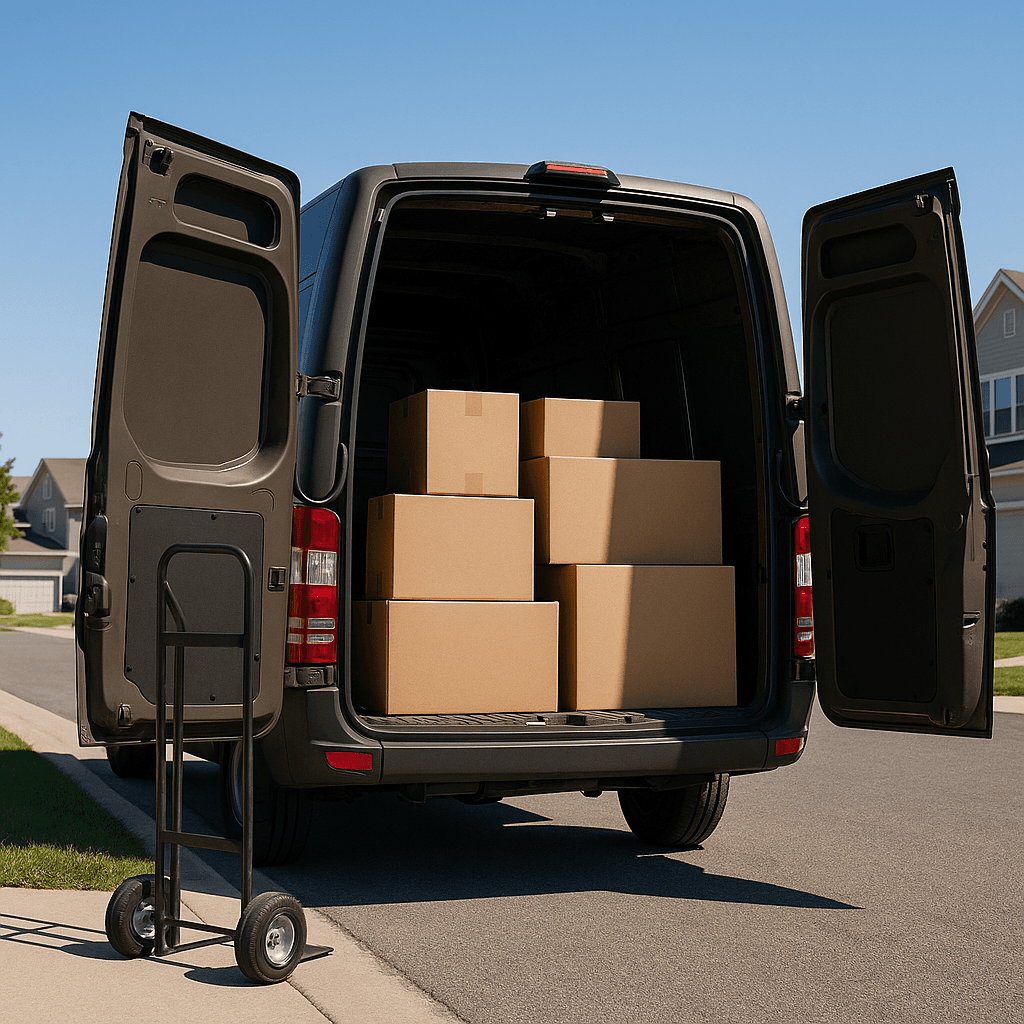
How Much Does It Cost to Start a Courier & Delivery Service in Colorado?
Low
$8,800
Medium
$24,200
High
$60,500
National average: $8,000 – $55,000
Interactive Startup Cost Calculator
Startup Cost Calculator
Courier & Delivery Service in Colorado
Options
Startup Costs
$22,990
Monthly Costs
$5,500
First Year Total
$88,990
Full Cost Breakdown
| Cost Category | Low | Medium | High | Notes |
|---|---|---|---|---|
| Business Formation | $165 | $440 | $1,100 | Local couriers typically operate under general freight carrier exemptions. |
| Vehicles | $3,300 | $13,200 | $38,500 | A used cargo van (Ford Transit, Ram ProMaster) is a meaningful five-figure capital purchase and is the standard starting vehicle. |
| Commercial Vehicle Insurance | $1,650 | $4,400 | $11,000 | Personal auto policies typically exclude commercial delivery use — commercial coverage required. |
| Delivery Software & GPS | $220 | $660 | $2,200 | Route optimization software meaningfully reduces fuel cost on multi-stop routes. |
| Scanning & Communication Equipment | $330 | $880 | $2,750 | Digital POD (proof of delivery) is standard for business clients. |
| Marketing & Client Acquisition | $330 | $1,100 | $3,300 | Law firms, medical offices, and automotive parts distributors are reliable B2B courier clients. |
| Fuel Reserves | $550 | $1,650 | $4,400 | Fuel claims a substantial share of gross revenue — track and price accordingly. |
| Cargo Handling Equipment | $220 | $660 | $1,650 | Proper cargo securing prevents damage claims and keeps insurance premiums low. |
| Total Startup Cost | $6,765 | $22,990 | $64,900 | Required costs only |
Licenses & Permits in Colorado
Licenses & Permits in Colorado
General Business License
Colorado does not have a statewide general business license requirement. Businesses must register their entity with the Colorado Secretary of State and obtain a sales tax license from the Colorado Department of Revenue if selling taxable goods or services. Many municipalities require a local business license — Denver, Aurora, Colorado Springs, and Boulder all have their own business licensing programs with state-set annual fees that vary by program.
Industry-Specific Licenses
- Retail Food Establishment License — Colorado Department of Public Health and Environment or County HealthCost: Varies — contact agency • Renewal: Annual
- Contractor License — Local jurisdiction (Denver Building and Fire Code Services, etc.)Cost: Varies — contact agency • Renewal: Annual
- Retail Marijuana Store License — Colorado Marijuana Enforcement DivisionCost: Varies — contact agency • Renewal: Annual
- Cosmetology Salon License — Colorado Office of Barber and Cosmetology LicensureCost: Varies — contact agency • Renewal: Biennial
- Real Estate Broker License — Colorado Division of Real EstateCost: Varies — contact agency • Renewal: Every 3 years
- Child Care Center License — Colorado Department of Early ChildhoodCost: Varies — contact agency • Renewal: Annual
- Retail Liquor Store License — Colorado Liquor Enforcement DivisionCost: Varies — contact agency • Renewal: Annual
- Outfitter and Guide License — Colorado Parks and WildlifeCost: Varies — contact agency • Renewal: Annual
Home-Based Business Rules
Colorado municipalities regulate home-based businesses through local zoning ordinances. Denver allows home occupations with restrictions on customer visits (typically 1 person at a time), no exterior display, and no storage of commercial vehicles. Colorado State law preempts local regulations that would completely prohibit home-based businesses. The Colorado Cottage Food Act specifically authorizes home-based food production with certain limitations.
Monthly Operating Costs
After launch, plan for these ongoing monthly expenses for your Courier & Delivery Service:
Low
$2,000/mo
Medium
$5,000/mo
High
$15,000/mo
Revenue Potential
Annual Revenue Range
$40,000 – $400,000 (annual)
Profit Margins
15-35%
Break-Even Timeline
3-9 months
How Colorado Compares to Neighboring States
Colorado is close to the national average for Courier & Delivery Service startup costs, with a cost-of-living index of 103.1. Compared to neighboring Wyoming ($18,480 median startup cost), Colorado has higher costs for a Courier & Delivery Service.
Common Mistakes to Avoid
- 1
Using personal auto insurance for commercial deliveries (invalidates coverage)
- 2
No written service agreements with recurring clients
- 3
Underpricing to win contracts that aren't profitable after fuel costs
- 4
No route optimization leading to excessive mileage
- 5
Sole dependence on one major client creating business risk
Next Steps to Launch Your Courier & Delivery Service
- 1
Form your LLC in Colorado — delivery services are liable for damaged or lost packages and vehicle accidents (filing fee: $50). If you would rather not file the paperwork yourself, you can compare business formation services.
This is a paid link. If you sign up through it, we earn a commission at no extra cost to you.
- 2
Register with the USDOT if operating vehicles over 10,001 lbs gross vehicle weight — obtain a USDOT number at FMCSA.dot.gov
- 3
Obtain commercial auto insurance — personal auto insurance does NOT cover business delivery use; the commercial policy is typically a low-to-mid four-figure annual premium
- 4
Get cargo/goods-in-transit insurance — typically a low-to-mid four-figure annual premium; required by medical, legal, and retail clients for their valuable shipments
- 5
Obtain a Colorado intrastate carrier permit if hauling freight within Colorado borders over applicable weight thresholds
- 6
Set up delivery management software (Route4Me, OptimoRoute, or OnFleet) for route optimization and real-time tracking
- 7
Create a courier service agreement covering delivery timeframes, liability limits, prohibited items, and signature requirements
- 8
Register your vehicles with Colorado DOT and display required commercial markings including company name and USDOT number
Frequently Asked Questions
Related Businesses in Colorado
Start a Courier & Delivery Service in Other States
See the national overview for Courier & Delivery Service or browse all businesses you can start in Colorado.