How Much Does It Cost to Start a Courier & Delivery Service in South Carolina?
Starting a Courier & Delivery Service in South Carolina typically costs between $7,200 and $49,500, with a median estimate of $19,800. South Carolina’s cost of living is 7% below the national average, which helps reduce operating expenses like commercial rent and labor. LLC formation in South Carolina costs $110 to file. Most courier & delivery service businesses take 2-6 weeks to launch.
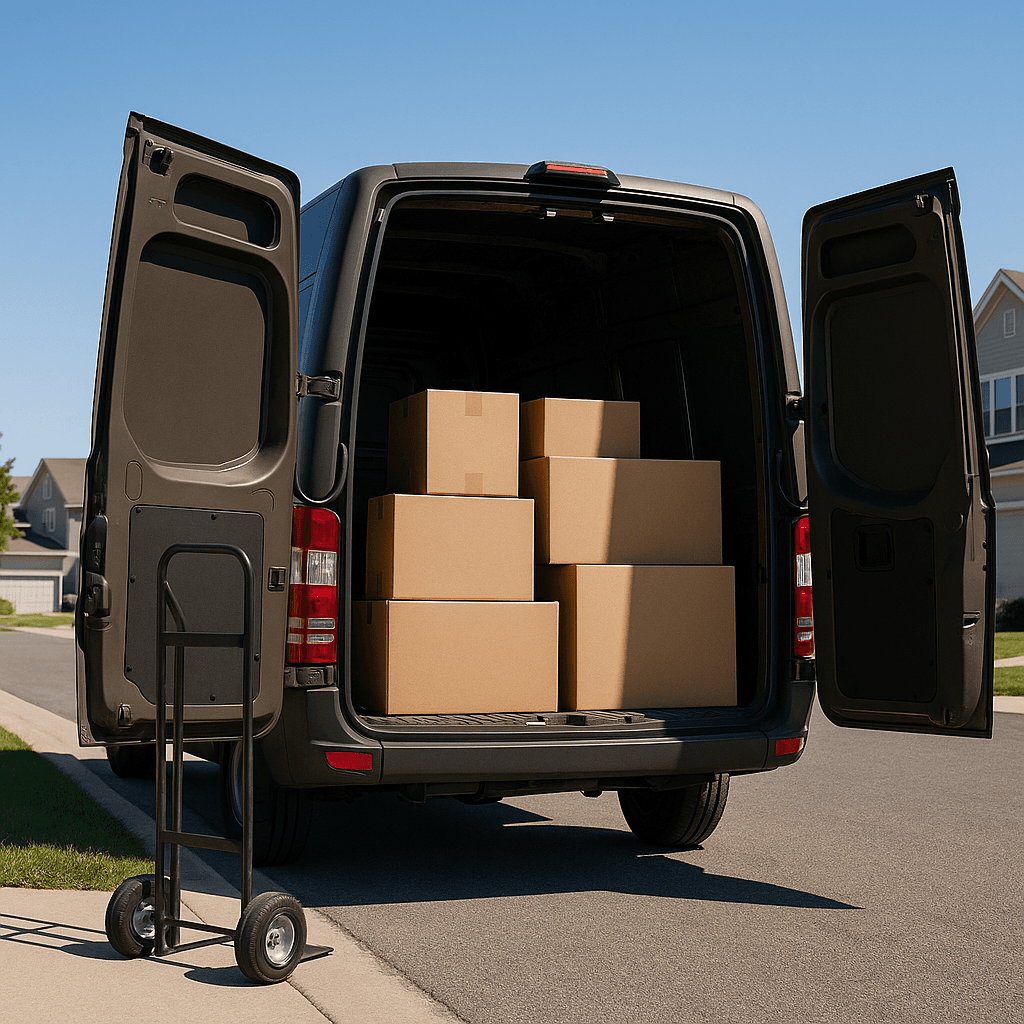
How Much Does It Cost to Start a Courier & Delivery Service in South Carolina?
Low
$7,200
Medium
$19,800
High
$49,500
National average: $8,000 – $55,000
Interactive Startup Cost Calculator
Startup Cost Calculator
Courier & Delivery Service in South Carolina
Options
Startup Costs
$18,810
Monthly Costs
$4,500
First Year Total
$72,810
Full Cost Breakdown
| Cost Category | Low | Medium | High | Notes |
|---|---|---|---|---|
| Business Formation | $135 | $360 | $900 | Local couriers typically operate under general freight carrier exemptions. |
| Vehicles | $2,700 | $10,800 | $31,500 | A used cargo van (Ford Transit, Ram ProMaster) is a meaningful five-figure capital purchase and is the standard starting vehicle. |
| Commercial Vehicle Insurance | $1,350 | $3,600 | $9,000 | Personal auto policies typically exclude commercial delivery use — commercial coverage required. |
| Delivery Software & GPS | $180 | $540 | $1,800 | Route optimization software meaningfully reduces fuel cost on multi-stop routes. |
| Scanning & Communication Equipment | $270 | $720 | $2,250 | Digital POD (proof of delivery) is standard for business clients. |
| Marketing & Client Acquisition | $270 | $900 | $2,700 | Law firms, medical offices, and automotive parts distributors are reliable B2B courier clients. |
| Fuel Reserves | $450 | $1,350 | $3,600 | Fuel claims a substantial share of gross revenue — track and price accordingly. |
| Cargo Handling Equipment | $180 | $540 | $1,350 | Proper cargo securing prevents damage claims and keeps insurance premiums low. |
| Total Startup Cost | $5,535 | $18,810 | $53,100 | Required costs only |
Licenses & Permits in South Carolina
Licenses & Permits in South Carolina
General Business License
South Carolina requires most businesses to obtain a Business License from the city or county where they operate — there is no statewide general business license. Businesses must register their entity with the South Carolina Secretary of State and register with the South Carolina Department of Revenue for retail license (sales tax) and withholding tax purposes. South Carolina's 271 municipalities each have their own business licensing ordinances under the South Carolina Business License Tax Standardization Act.
Industry-Specific Licenses
- Retail Food Establishment Permit — South Carolina Department of Health and Environmental Control — Division of Environmental HealthCost: Varies — contact agency • Renewal: Annual
- Residential Builder and Home Improvement License — South Carolina Residential Builders CommissionCost: Varies — contact agency • Renewal: Annual
- Cosmetology Salon License — South Carolina Board of CosmetologyCost: Varies — contact agency • Renewal: Annual
- Real Estate Broker License — South Carolina Real Estate CommissionCost: Varies — contact agency • Renewal: Annual
- Child Care Center License — South Carolina Department of Social Services — Division of Child Care ServicesCost: Varies — contact agency • Renewal: Annual
- On-Premises Beer and Wine Permit — South Carolina Department of Revenue — Alcohol Beverage LicensingCost: Varies — contact agency • Renewal: Annual
- Tour Operator License — South Carolina Department of Parks, Recreation and TourismCost: Varies — contact agency • Renewal: Annual
- Medical Practice License — South Carolina Board of Medical ExaminersCost: Varies — contact agency • Renewal: Annual
Home-Based Business Rules
Home-based businesses in South Carolina are regulated by local municipal and county ordinances. Most South Carolina municipalities allow home occupations in residential zones with restrictions on customer traffic, commercial signage, and non-resident employees. South Carolina's many rural communities have minimal restrictions on home-based businesses. The state's cottage food law supports home-based food production and direct consumer sales.
Monthly Operating Costs
After launch, plan for these ongoing monthly expenses for your Courier & Delivery Service:
Low
$2,000/mo
Medium
$5,000/mo
High
$15,000/mo
Revenue Potential
Annual Revenue Range
$40,000 – $400,000 (annual)
Profit Margins
15-35%
Break-Even Timeline
3-9 months
How South Carolina Compares to Neighboring States
South Carolina is one of the more affordable states for launching a Courier & Delivery Service, with a cost-of-living index of 92.7 (national average is 100). Compared to neighboring North Carolina ($21,120 median startup cost), South Carolina offers lower costs for a Courier & Delivery Service.
| State | Est. Cost | LLC Fee |
|---|---|---|
| South Carolina (current) | $19,800 | $110 |
| North Carolina | $21,120 | $125 |
| Georgia | $20,680 | $100 |
Common Mistakes to Avoid
- 1
Using personal auto insurance for commercial deliveries (invalidates coverage)
- 2
No written service agreements with recurring clients
- 3
Underpricing to win contracts that aren't profitable after fuel costs
- 4
No route optimization leading to excessive mileage
- 5
Sole dependence on one major client creating business risk
Next Steps to Launch Your Courier & Delivery Service
- 1
Form your LLC in South Carolina — delivery services are liable for damaged or lost packages and vehicle accidents (filing fee: $110). If you would rather not file the paperwork yourself, you can compare business formation services.
This is a paid link. If you sign up through it, we earn a commission at no extra cost to you.
- 2
Register with the USDOT if operating vehicles over 10,001 lbs gross vehicle weight — obtain a USDOT number at FMCSA.dot.gov
- 3
Obtain commercial auto insurance — personal auto insurance does NOT cover business delivery use; the commercial policy is typically a low-to-mid four-figure annual premium
- 4
Get cargo/goods-in-transit insurance — typically a low-to-mid four-figure annual premium; required by medical, legal, and retail clients for their valuable shipments
- 5
Obtain a South Carolina intrastate carrier permit if hauling freight within South Carolina borders over applicable weight thresholds
- 6
Set up delivery management software (Route4Me, OptimoRoute, or OnFleet) for route optimization and real-time tracking
- 7
Create a courier service agreement covering delivery timeframes, liability limits, prohibited items, and signature requirements
- 8
Register your vehicles with South Carolina DOT and display required commercial markings including company name and USDOT number
Frequently Asked Questions
Related Businesses in South Carolina
Start a Courier & Delivery Service in Other States
See the national overview for Courier & Delivery Service or browse all businesses you can start in South Carolina.